
The Greek islands are not interchangeable.
This is the first thing to understand, and it is the thing that the generic island-hopping guide consistently fails to convey. The standard account treats the Aegean archipelago as a collection of variations on the same theme: whitewashed houses, blue-domed churches, turquoise water, ouzo at sunset. These elements exist on many of the islands, and they are genuinely beautiful wherever they appear. But they are the surface of experiences that differ from each other in character as completely as the landscapes that produce them differ.
Crete and Santorini are in the same sea. They are not the same place. Patmos and Mykonos are separated by the same Aegean water. They offer completely different encounters with Greece, with time, and with the self that the visitor brings to the encounter. Understanding what each island actually is, rather than which category of personality archetype it is supposed to serve, is the precondition for choosing the island that will give the visitor what they are actually seeking.
The seven islands that follow are seven distinct characters in the Greek island world, each described as what it is rather than as which traveler it is for. The traveler who reads them honestly will find their island.
Crete | The Island That Requires Commitment
Crete is the largest Greek island and the one that most consistently rewards the visitor who stays long enough to understand what they are in.
The headline experiences are famous: the Samaria Gorge, the Minoan Palace at Knossos, the Venetian harbor at Chania, the beaches of Elafonisi and Balos. These are not overrated. They are genuinely extraordinary, and the visitor who does only these things has had a remarkable journey through one of the most historically dense landscapes in the European world. But Crete is an island of 8,336 square kilometers with a mountain range, the Lefka Ori, whose peaks exceed 2,400 meters, and a south coast that the White Mountains separate from the north coast tourism infrastructure so completely that a visitor who has spent a week on the north coast beaches has experienced a fraction of what the island is.
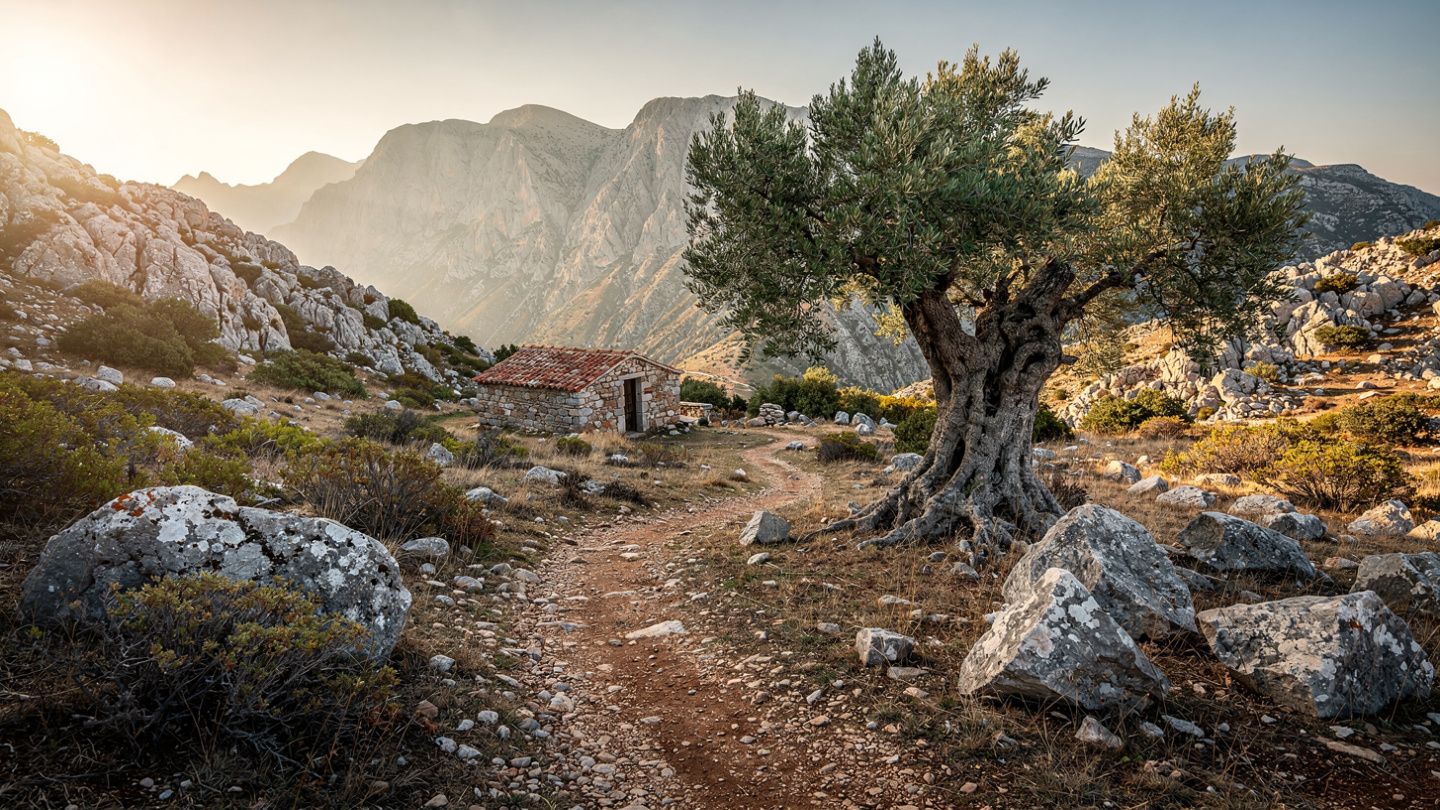
The Cretan interior is the island at its most itself: the villages of the Psiloritis massif, the olive groves of the Mesara plain where the Minoan civilization built its administrative centers, the mountain villages of the Sfakiots in the White Mountains where the resistance tradition that sustained the island through four centuries of Ottoman occupation and the German occupation of the Second World War is preserved in the character of the people who maintained it. The Cretan who pours the raki at the end of the taverna meal without being asked and who will not let you pay for it is performing an act of hospitality that has a cultural history, and understanding that history deepens the gesture beyond the generic warmth of Mediterranean hospitality into something more particular.
The food of Crete is the dimension that the food-oriented visitor should organize their stay around. The Cretan diet, documented as among the most health-protective in the Seven Countries Study that Ancel Keys conducted in the 1950s, is built on the combination of the island’s extraordinary olive oil, the wild herbs of the mountain, the legumes and greens of the traditional Cretan table, and the lamb and goat of the island’s pastoral heritage. The dakos, the barley rusk with fresh tomato and olive oil and mizithra cheese, eaten at a table above the harbor in Chania in the morning, is among the simplest and most directly expressive breakfast preparations the Mediterranean produces. The slow-cooked lamb with stamnagathi, the wild chicory of the Cretan countryside, at a mountain village taverna in October, is a different dimension of the same culinary lineage.
Crete does not reveal itself quickly. It reveals itself to those who stay long enough and move far enough from the north coast resort strip to find the island that exists behind it.
The hidden experience: The Aradena Gorge descent to Marmara Beach, accessible from the village of Aradena on the southwestern coast, is one of the most complete encounters with wild Crete available on foot: a gorge narrower and less frequented than Samaria, ending at a beach accessible only by boat or by this descent, where the combination of the effort of the journey and the quality of the arrival makes the beach something different from any beach that can be reached easily.
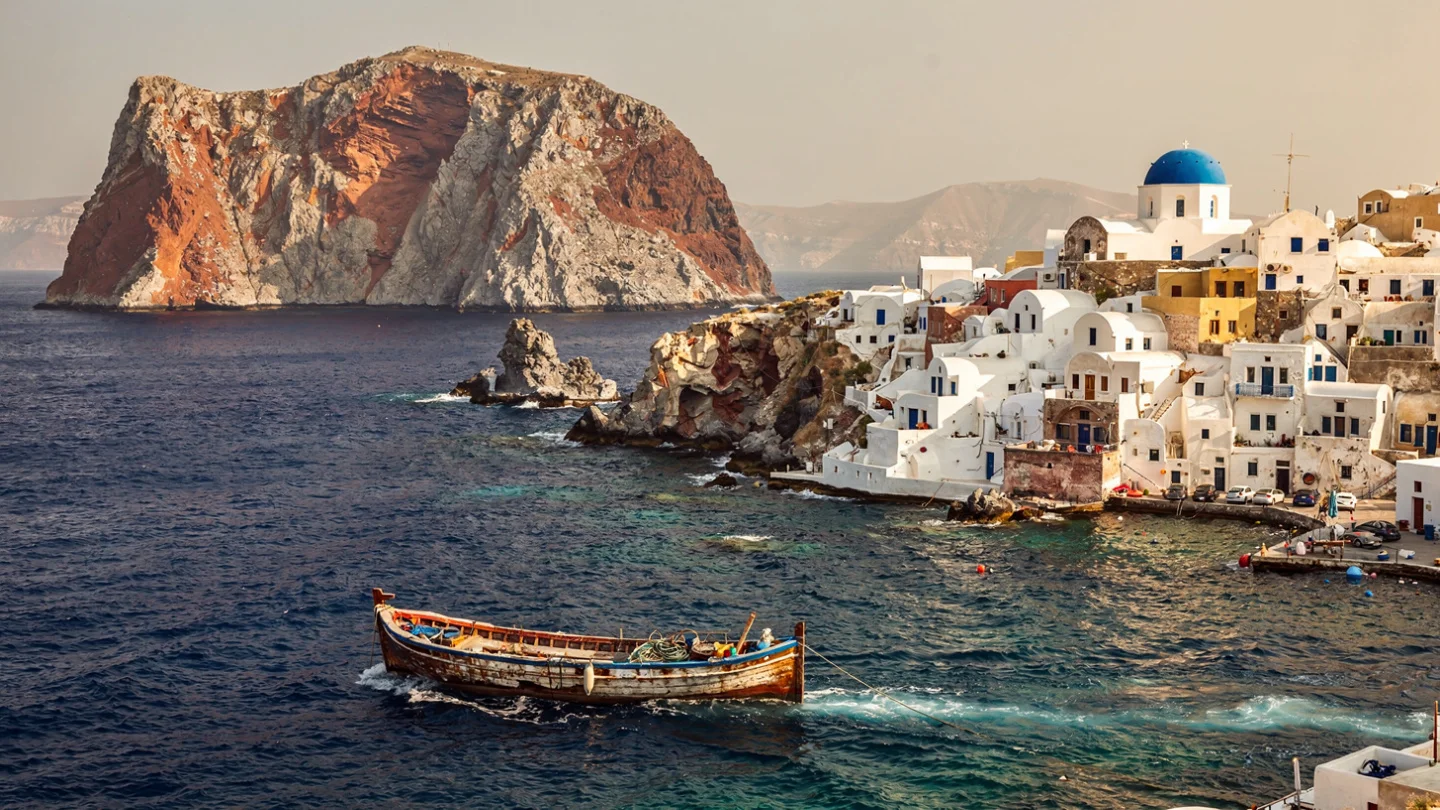
Santorini | The Island of the Light
Santorini is not simply beautiful. It is beautiful in a way that no other place in the Aegean produces, and understanding the quality of the beauty is understanding what makes Santorini irreplaceable rather than simply supreme.
The island is the caldera of a volcano that erupted approximately 3,600 years ago in the event that geological evidence suggests was one of the most significant volcanic eruptions in human history, contributing to the destabilization of the Minoan civilization. What the eruption left was not the island that existed before it but a new geological formation: the curved caldera walls that rise from the sea on the western side, the cliff-face villages of Fira and Oia and Imerovigli perched on those walls, and the relationship between the height of the land, the depth of the sea below it, and the angle of the setting sun that produces the Santorini sunset.
The Santorini sunset is not a cliché. Clichés exist because something genuinely recurring produces them, and the Oia sunset, from the position of a terrace above the caldera with the sun moving toward the horizon over the western sea, is a visual experience that the combination of the caldera’s geometry, the volcanic colours of the rock, and the particular quality of the Aegean light at this latitude produces. It is genuinely extraordinary. It is also genuinely crowded in July and August, when the terrace positions that provide the best viewing angle fill with several hundred people simultaneously.
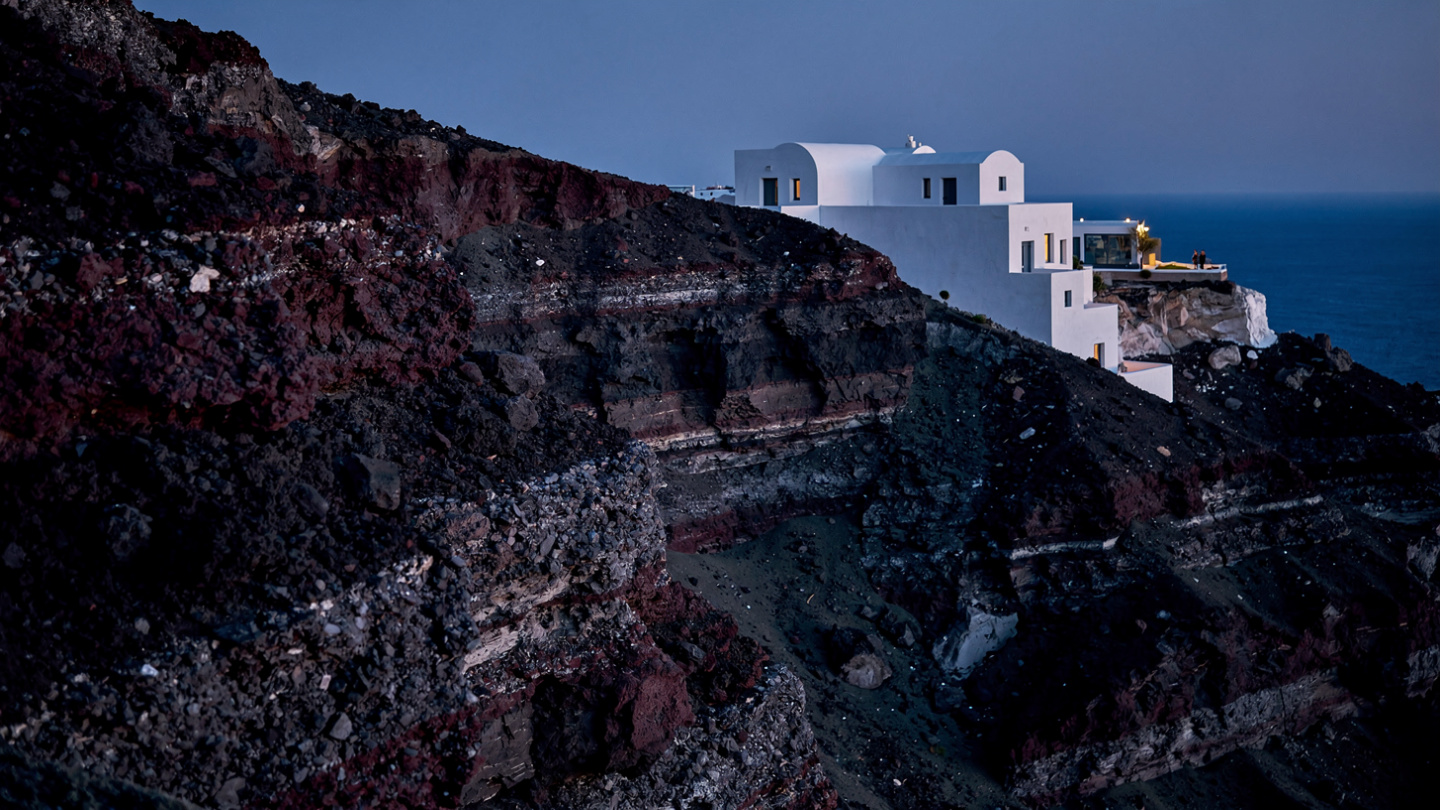
The solution is timing and positioning: the sunset from the less-frequented caldera rim south of Fira, away from the Oia crowds, or the early morning light on the caldera from the same positions, produces the visual experience the island offers in conditions that the midday tourist density does not.
The wine is the island’s other quality: the Assyrtiko grape that the Santorini volcanic soil produces is one of the most distinctive white wines in the Aegean, its minerality a direct expression of the pumice and volcanic ash that the soil contains. The Assyrtiko from the island’s own producers, consumed on the island rather than exported, has a character that the bottled version available elsewhere approximates but does not replicate.
The hidden experience: Megalochori, a village south of Fira connected by local bus, carries the character of the pre-tourist Santorini in its vine-draped lanes and its church squares and its quietness: a village that the visitor economy has not fully reshaped, where the pace of the afternoon is the pace of a Cycladic village rather than a destination.
Mykonos | The Island That Does Not Apologize
Mykonos is the Greek island that most directly and most honestly presents itself as what it is: a cosmopolitan party destination with a specific aesthetic, a social scene, and a quality of experience that bears no resemblance to what the quieter and more historically resonant islands offer, and that has no interest in pretending otherwise.
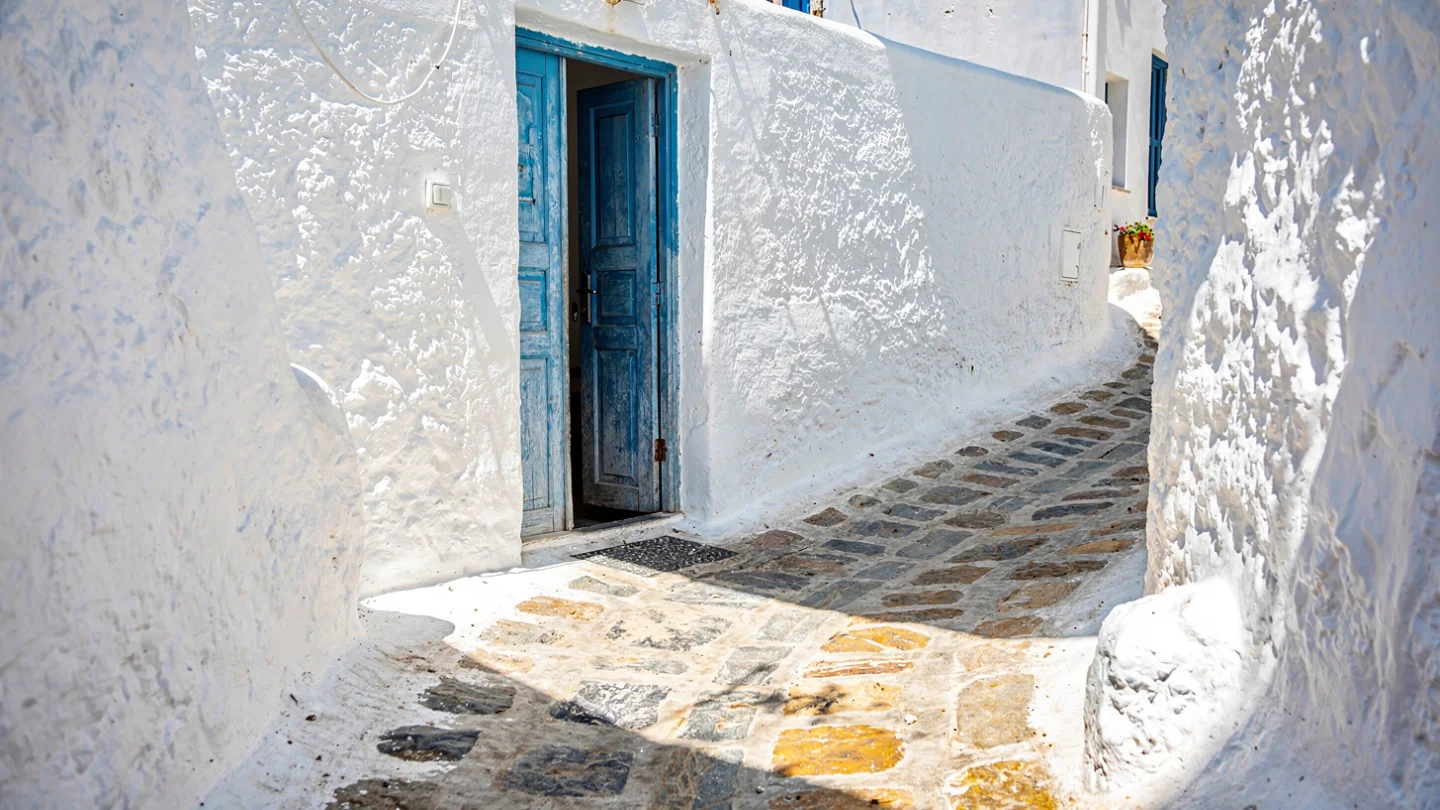
The Chora of Mykonos, the whitewashed labyrinthine town that the island’s architects developed specifically to confuse the pirates who raided the Cyclades for centuries, is now the setting for the boutiques, the bars, the restaurants, and the social performance that is Mykonos’s primary contemporary product. The architectural quality that the anti-piracy logic produced, the irregular organic lanes that open into unexpected small squares and that deny any visitor a clear sense of direction or destination, is the perfect architecture for the social experience the island now provides: the chance encounter, the unexpected opening into a new space, the constant mild disorientation that keeps the experience perpetually fresh.
The beach clubs on the island’s south coast, from Paraga to Paradise to Super Paradise, represent a distinctive and internationally recognized version of the Mediterranean beach experience: music, service, visual spectacle, and the social density that makes the beach club experience something entirely different from the experience of a beach. These are not places to be quiet or solitary. They are places to be seen and to participate in the collective experience that the Mykonos beach club tradition has developed into one of the most imitated formats in international hospitality.
The visitor who comes to Mykonos seeking the quiet beauty of the Cycladic landscape or the historical depth of the island tradition will find both less satisfying than they hoped, because both exist on Mykonos in forms that have been substantially modified by the island’s economic and social development. The visitor who comes to Mykonos understanding what it has chosen to be will find that it executes that choice with a consistency and quality that fully justifies its international reputation.
The hidden balance: Ano Mera, the only significant village inland from the Chora, carries the quieter Cycladic character that the coast has largely surrendered: the Panagia Tourliani Monastery at its center, the taverna in the square where the village residents eat rather than the tourists, and the quality of a place that has maintained its identity through the transformation of everything around it.
Patmos | The Island of the Sacred Silence
Patmos is the island that the Apostle John came to in exile and where, according to local belief, he received the visions that became the Book of Revelation. The theological weight of this history, the claim that one of the most powerful and most disturbing texts in the Western tradition was produced in this landscape, is the dimension of Patmos that separates it from every other Greek island including the other sacred islands.
The Monastery of Saint John, built on the island’s highest point in the eleventh century CE and still functioning as an active monastic community, dominates the Chora that developed around its walls from the same period. The monastery complex is one of the most completely preserved medieval monastic institutions in the Aegean: its library holds manuscripts of international significance including a fragment of the Gospel of Mark dated to the sixth century, and its treasury contains Byzantine objects of the quality that the island’s historical importance as a pilgrimage destination attracted across the centuries of its monastic prosperity.
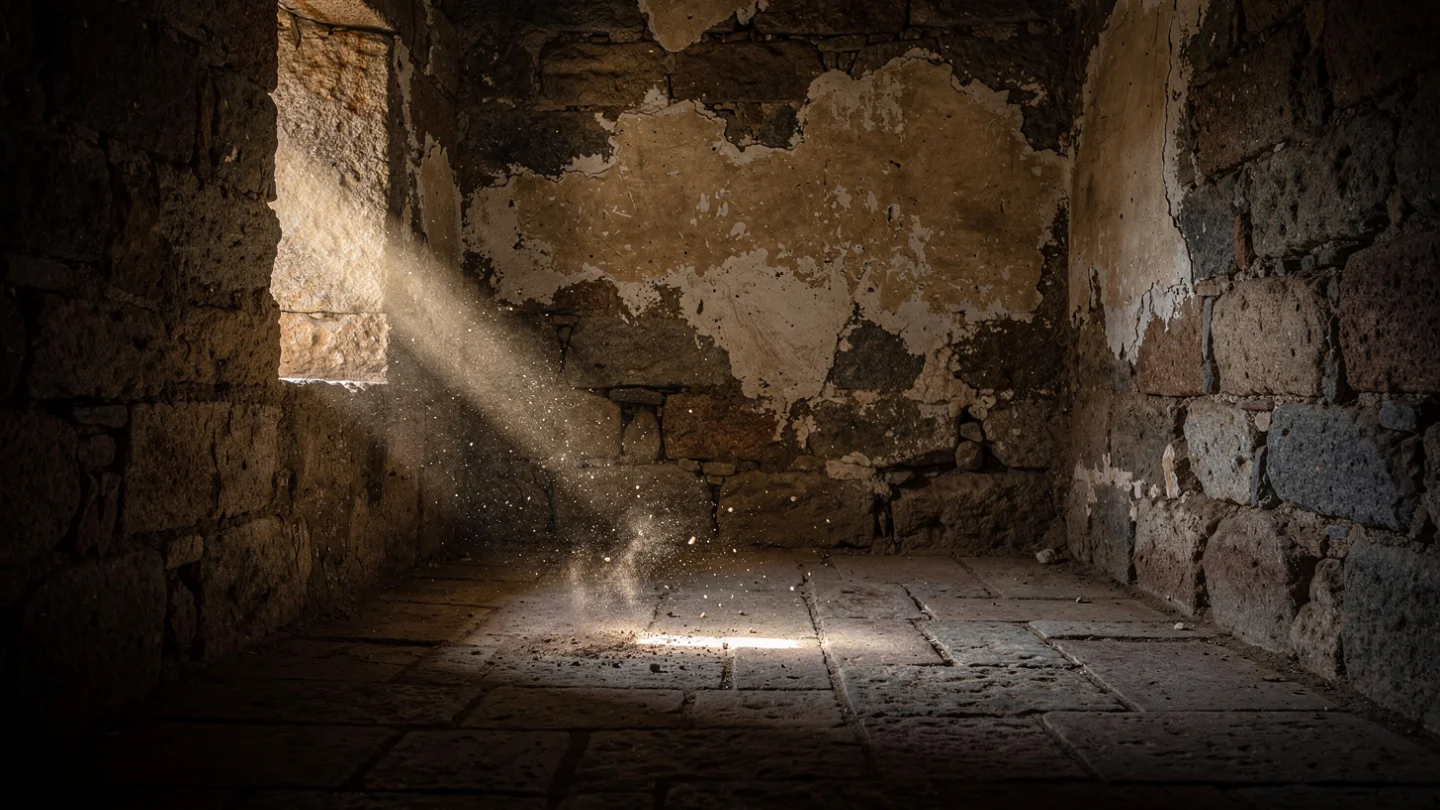
The Cave of the Apocalypse, the grotto situated between the port of Skala and the Chora where tradition locates the reception of John’s visions, remains the most intimate of the island’s sacred sites. It is a small cave church built around the rock formations that local belief identifies as the desk where the Apostle placed his writing materials, and the fissure in the ceiling from which the divine voice was heard. Whether a visitor approaches this site as a believer, a historian, or simply as someone sensitive to the quality of a place’s relationship with the profound claims made about it, the cave communicates something the monastery’s formal grandeur does not: the scale of a space where one individual was alone with an experience they could not have anticipated.
The island’s beaches, particularly Psili Ammos on the southern coast accessible only by boat or by a long walk, are among the most undeveloped in the Dodecanese, and the combination of the island’s relative inaccessibility, its small permanent population, and the quality of its religious reputation has produced a visitor demographic that differs noticeably from the mainstream Greek island tourist: quieter, more intentional in their engagement with the island’s heritage, and more likely to be seeking the quality of experience that Patmos offers and that more accessible islands cannot.
The sacred experience: The path between the Chora and the beach village of Grikos, walked in the early morning before the day visitors arrive from Kos and Samos, passes through the landscape that John inhabited: the limestone hills, the low Mediterranean vegetation, and the quality of the early morning Aegean light that the island’s eastern aspect produces.
Amorgos | The Island at the Edge of the World
Amorgos is the easternmost of the Cyclades and the one that the development of Greek island tourism has modified least completely, partly because its topography makes intensive development difficult, partly because its distance from the main Cycladic ferry routes reduces the casual visitor flow, and partly because the character of the island, stark, vertical, relentlessly beautiful in the way of landscapes that have not been softened for visitor comfort, has consistently attracted visitors who sought exactly this character rather than the more accessible pleasures of the more developed islands.
The Chozoviotissa Monastery, built into the cliff face on the island’s eastern coast in a position that eleventh-century monks chose for reasons the visual evidence makes immediately comprehensible, is the image of Amorgos at its most concentrated: a white building embedded in a terracotta precipice above the deep blue of the sea, accessible by a long staircase cut into the rock, housing a community whose continued existence in this location testifies to the quality of dedication the site demands and rewards. The monastery receives visitors in the morning hours and offers the customary hospitality of loukoumades and raki that the Aegean monastic tradition maintains.
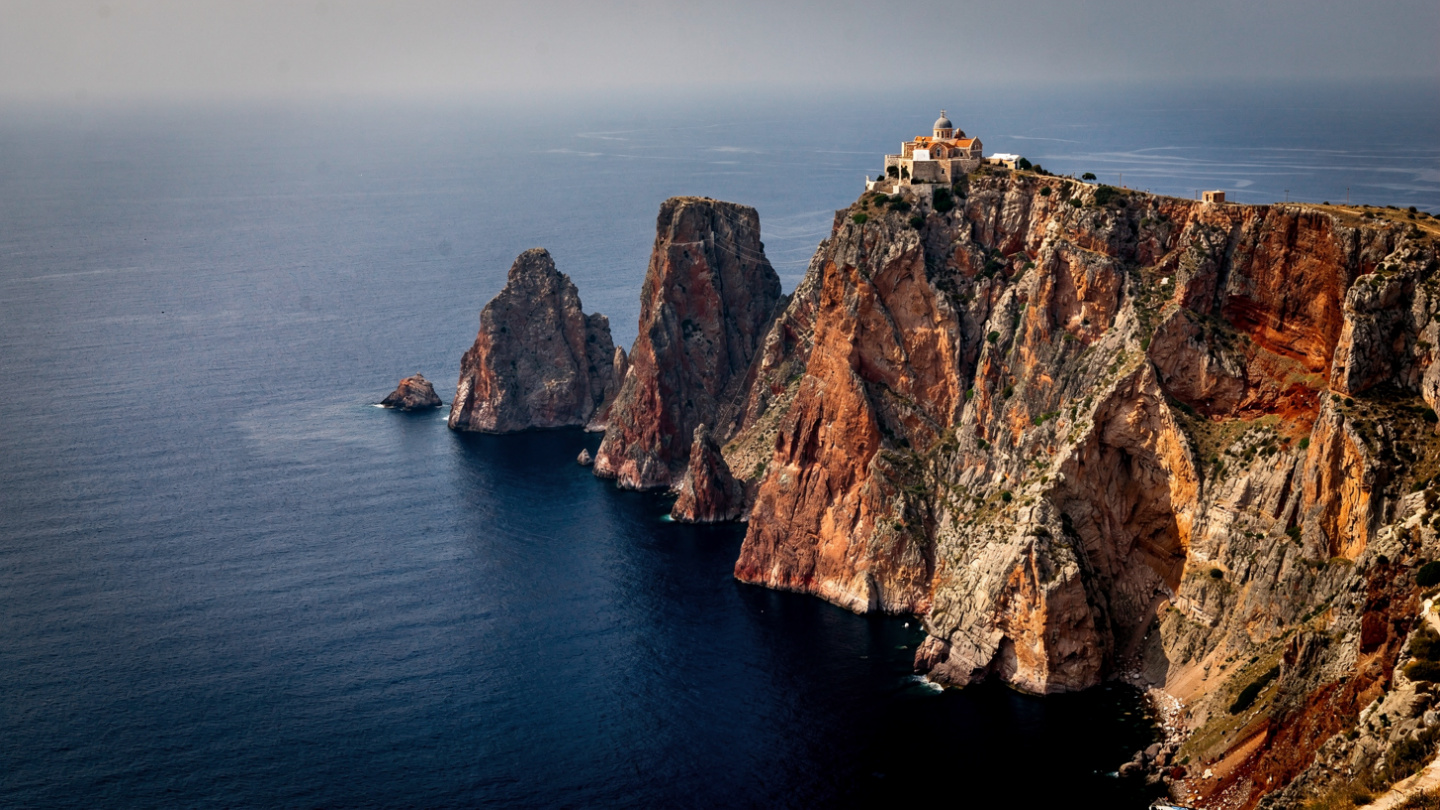
The film that put Amorgos on the international visual map, Luc Besson’s The Big Blue of 1988, used the island’s underwater character as the setting for the freediving sequences whose visual quality remains the most complete available documentation of what the Amorgos sea floor looks like at depth in the clarity of the Aegean summer water. The Agia Anna cove where some of the underwater sequences were filmed is a small beach accessible on foot from the road above, carrying no infrastructure beyond a taverna in the summer months, with the quality of a place that is famous for reasons most of its visitors cannot precisely name.
The island’s interior, the path from the port of Katapola to the Chora and from the Chora eastward toward the Chozoviotissa, is the walking terrain that Amorgos offers most distinctively: limestone paths above the sea, the dryness of the Cycladic summer vegetation, and the views that the island’s elevation produces across the Aegean toward the Turkish coast on clear days.
The meditative experience: The path from the Chozoviotissa Monastery along the cliff edge southward, continued in the early morning before the visiting hours open, produces the encounter with the island’s character that no amount of time at the beaches can replicate: the vertical rock, the horizontal sea, and the silence of a place that has been inhabited by people seeking exactly this silence for a thousand years.
Rhodes | The Island of Three Thousand Years
Rhodes holds more visible history per square kilometer than any other Greek island, and the quality of what makes it extraordinary is not simply the quantity of heritage but the range of periods it covers: the ancient city and the Doric temple complex on Monte Smith, the medieval crusader city that the Knights Hospitaller built and that remains the most completely preserved in the Mediterranean, the Ottoman mosques and hammams of the Turkish quarter within the medieval walls, and the twentieth century Italian colonial architecture of the new town.
The walled city of Rhodes is the first thing that distinguishes the island from any other destination in the Aegean. The Street of the Knights, the Odos Ippoton, runs its full length between the Palace of the Grand Masters and the hospital that is now the Archaeological Museum, with the inns of the various national tongues of the Knights on both sides, their heraldic devices still carved above the doorways, in a state of preservation that makes the fourteenth and fifteenth century more immediately present than most ancient sites manage to make the fifth century BCE. Walking into the old city at night, when the tourist density has reduced and the illuminated medieval stonework has the quality of a place that is still inhabited by something other than its visitors, is the experience that the island offers and that no other Greek island can replicate.
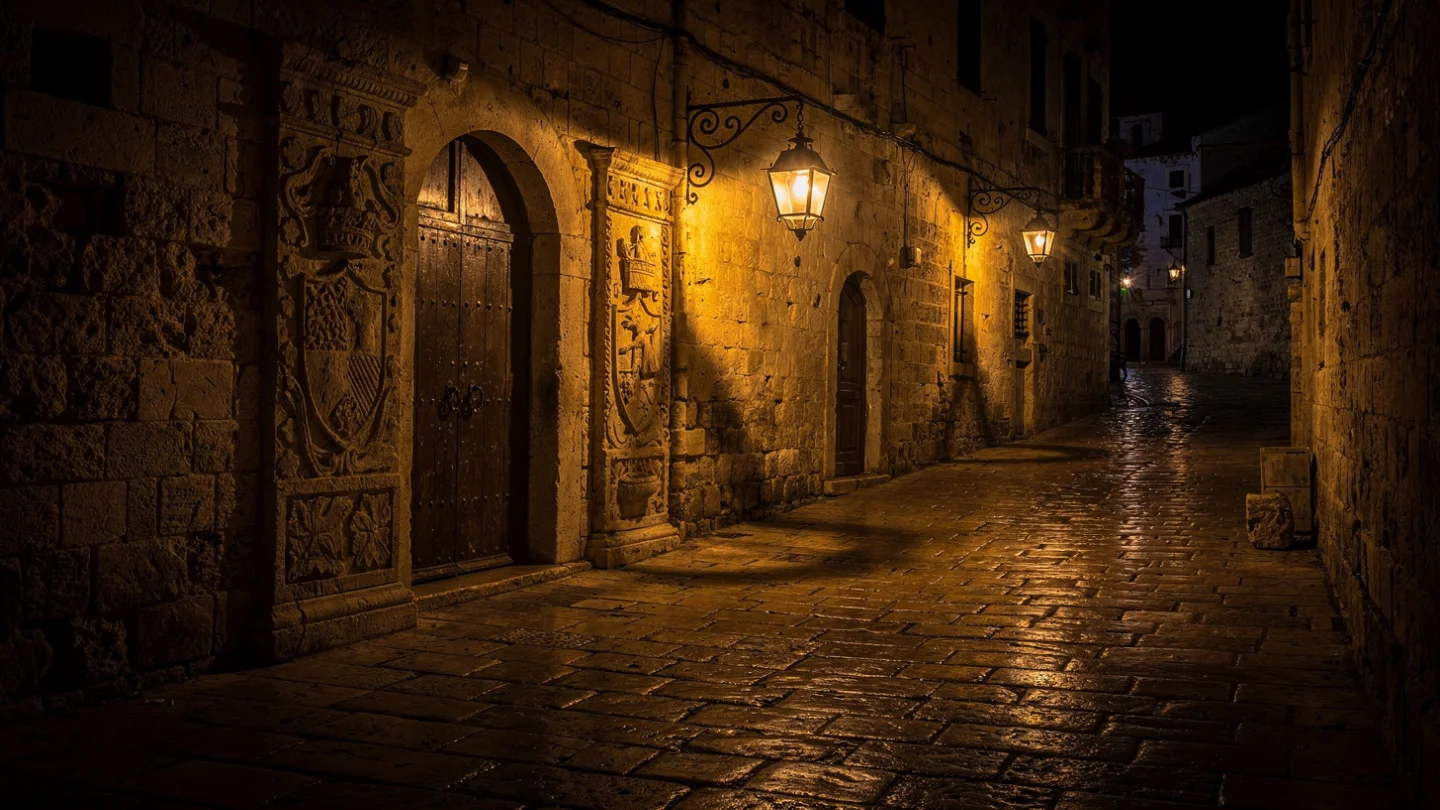
Lindos, the ancient city on the east coast whose acropolis carries the Temple of Athena Lindia above the village of whitewashed houses, is Rhodes’s second most visited site and the one whose combination of ancient architecture, medieval castle, and contemporary village life most completely demonstrates the layering of the island. The view from the acropolis across the bay to the east, in the quality of the Rhodes summer morning light before the day tours arrive from the resort hotels, is the experience that the photographs of Lindos are attempting to capture and that the photographs consistently fail to capture.
The undervisited experience: Ancient Kamiros, the third city of ancient Rhodes on the northwest coast, is the site that the article on Greek architectural masterpieces in this collection discusses as the alternative to Lindos that the crowd has not yet discovered: a Doric city in ruins on a hillside above the sea, with no village built on top of it and therefore no commercial infrastructure mediating between the visitor and the ancient site.
Naxos | The Island That Provides for Itself
Naxos is the largest of the Cyclades and the most agricultural, and the combination of these two facts produces the island’s character: an island that has never been entirely dependent on the visitor economy because its own soil has always produced what its population required, and that carries this self-sufficiency in the texture of its towns and villages and food.
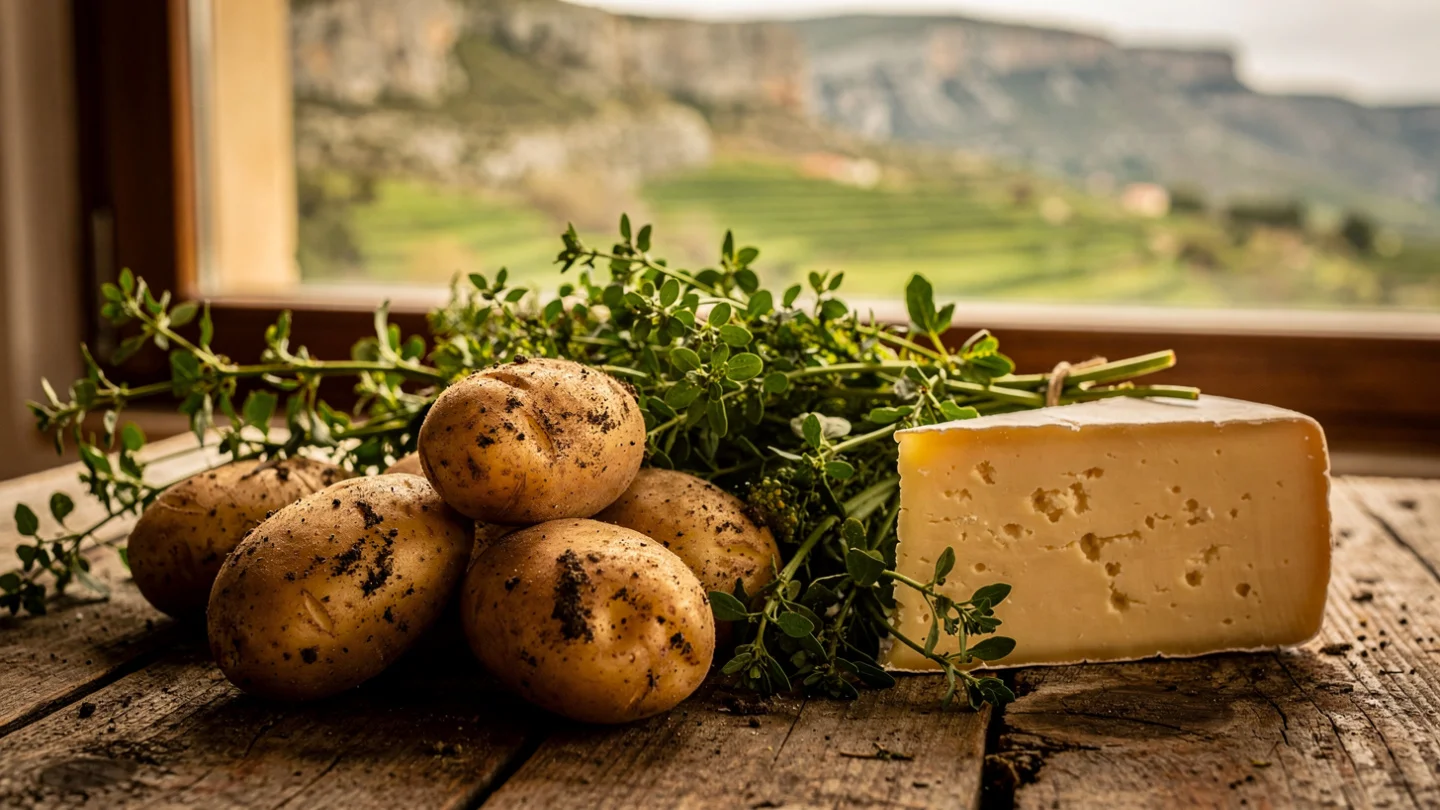
The Naxos potato, grown in the fertile Tragaia valley that the island’s mountain watershed waters, is one of the most celebrated agricultural products in the Cyclades and the ingredient that the island’s cuisine returns to repeatedly in preparations that the visitor from a potato-eating culture may underestimate until they taste the difference that the combination of the island’s volcanic soil and its freshwater agriculture produces in a vegetable that elsewhere rarely commands attention. The roasted Naxos potato with lemon and oregano, served alongside a grilled fish at a harborfront taverna in Naxos town, is a preparation of radical simplicity whose quality depends entirely on the quality of the ingredient.
The marble of Naxos, quarried since the archaic period from the mountains that form the island’s spine, produced the kouroi, the standing male figures of the seventh and sixth centuries BCE, that the archaeological record of the island preserves in two spectacular incomplete examples: the colossal kouros at Apollonas in the island’s north, lying abandoned in the quarry where it was left when it cracked during production, and the kouros at Melanes, similarly abandoned in a lemon grove near the quarry that produced it. Both figures are accessible without the entrance fees and the managed visitor experience of the major sites, lying in the landscape in the condition that their ancient abandonment left them, the quality of unmediated encounter with the ancient world that the administered site cannot provide.
The interior of Naxos, the string of marble-paved Tragaia villages that the island’s medieval history populated on the fertile upland plateau, carries the character of the island before its contemporary tourist infrastructure: Filoti, Apiranthos with its marble streets and its small museums of local material culture, Halki with its Venetian tower houses, and the paths between them that connect the ancient marble quarries to the Byzantine churches to the agricultural terraces that the medieval population built into the limestone hillsides.
The mythological walk: The ascent of Mount Zas from the Zas cave near Filoti follows the ancient path to the highest point in the Cyclades, 1,001 meters above the sea, from which the full arc of the archipelago is visible on clear days: Paros and Santorini to the west, Amorgos to the east, and the quality of the elevated air above the Aegean that the summit provides and that the beach cannot.
The Island-Hopping Logic
The Greek islands reward the visitor who understands them as a collection of distinct characters rather than as interchangeable instances of the same Mediterranean beach experience. The ferry network that connects them makes movement between them practical, and the character differences that this article has attempted to convey mean that a journey of several islands can provide several genuinely different encounters rather than repetitions of the same experience in different visual settings.
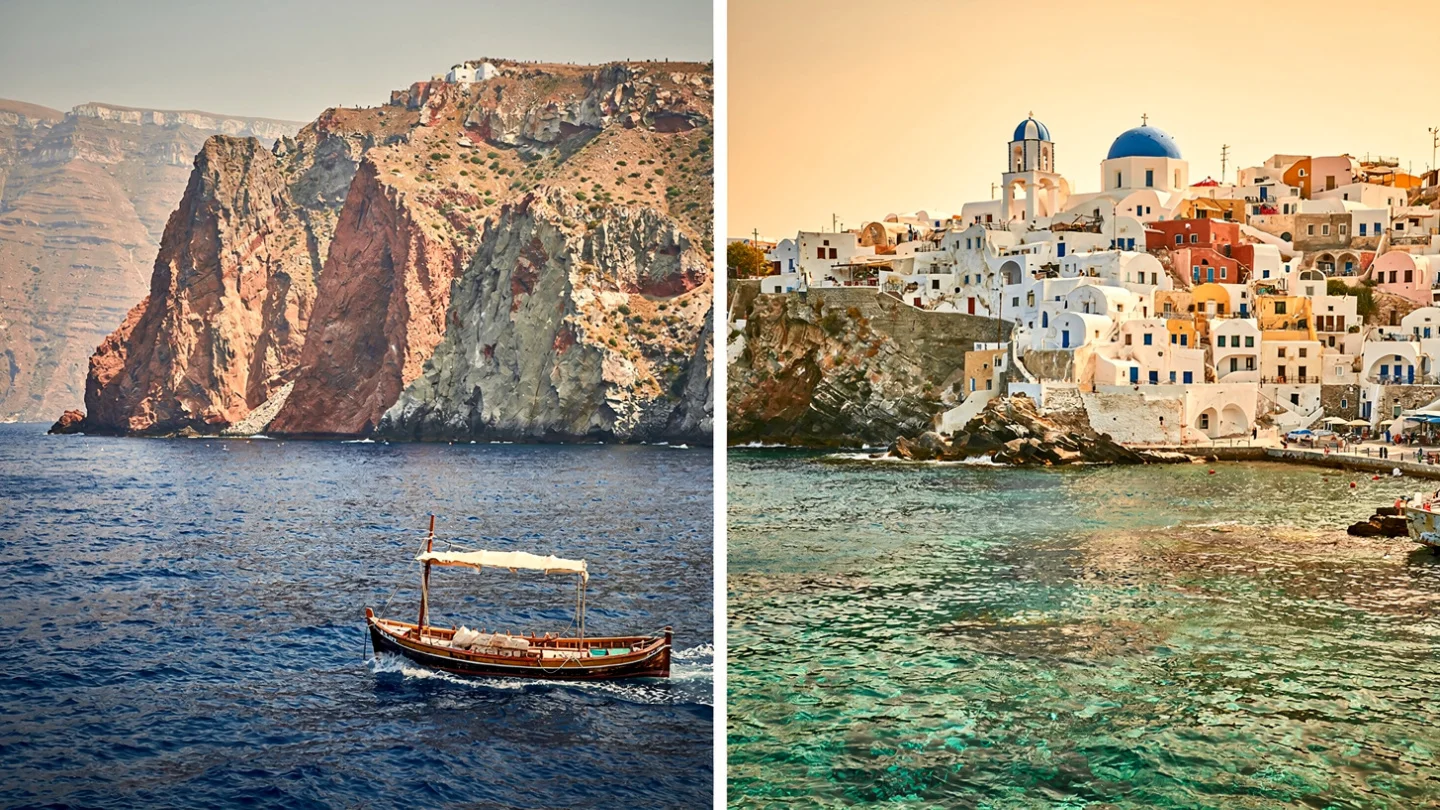
The practical combinations that the ferry network makes natural: Naxos and Amorgos are connected by a short ferry journey and represent complementary characters, the agricultural abundance of one against the stark beauty of the other. Patmos and Rhodes are in the same Dodecanese island group and connected by regular services, the sacred silence of Patmos against the accumulated historical spectacle of Rhodes. Crete and Santorini are connected by direct ferry during the summer season, the depth and scale of the largest island against the visual intensity of the smallest caldera.
Whatever combination the itinerary takes, the premise that makes the combination worthwhile is the premise this article has attempted to establish: each island is a distinct character with a distinct character, and encountering that character fully requires more than a day visit from a cruise ship. The minimum unit of encounter with any of these islands that produces a genuine understanding of what it is is two nights and the day between them. The visitor who stays longer finds the island.
At Olympus Estate, Wanderlust Greece guides you across the sacred and storied terrain of the Hellenic world. The Greek islands are not interchangeable. Each one has a character that the beach photographs do not convey and that the personality quiz cannot predict. Read the descriptions carefully. Choose the island that matches what you are actually seeking. Then stay long enough to find it.