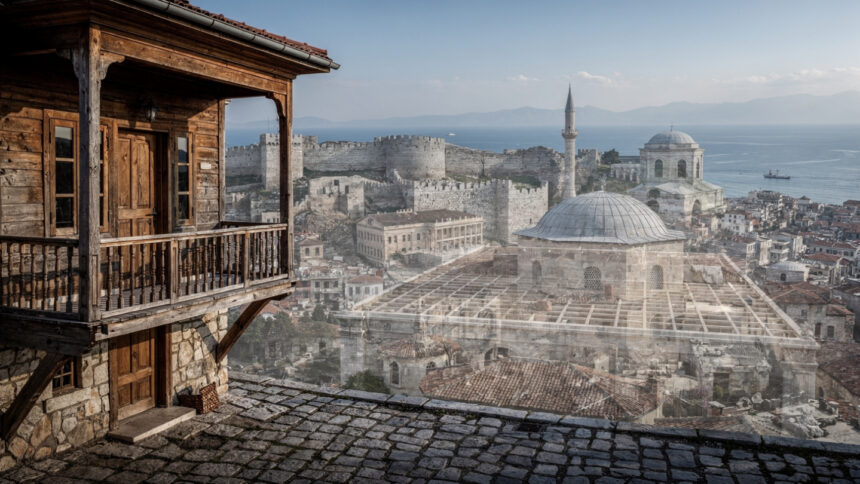





The sun does not rise as it did yesterday, and the light that heals the soul returns with the solstice. Apollo
When much of the world imagines the festive season wrapped in heavy snow and absolute silence, the Greek islands whisper a very different winter story. Here, the month of December arrives with the scent of salt air instead of biting frost. You will find decorated fishing boats instead of heavy sleighs, and ancient church bells echoing over the mirror-like surface of the Aegean. This is a Greek island Christmas without a single flake of snow, yet it is saturated with a unique kind of maritime magic that most travelers never get to see.
Across the glittering expanses of the Aegean and Ionian Seas, local island communities celebrate the holidays with rituals shaped by ancient myth, maritime tradition, and the gentle, persistent light of the winter sun. For modern travelers seeking authenticity and deep cultural immersion without the suffocating summer crowds, spending Christmas by the sea in Greece has become one of the most underrated winter travel Greece experiences in all of Europe.
A Different Kind of Winter Light
In the heart of the Greek islands winter, the sun sits lower on the horizon, casting a golden and almost painterly glow over the quiet harbors and the iconic whitewashed villages. The days are cool but surprisingly bright, allowing the vibrant colors of the Mediterranean to pop against the blue sky. The local cafés remain open, serving hot mountain tea and strong coffee. You will see fishermen mending their nets in the soft afternoon light, and locals lingering in the squares to share stories.

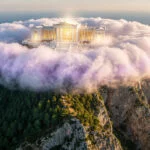
This softer winter light was considered sacred in the days of antiquity. The ancient Greeks firmly believed that winter sunlight carried a specific kind of healing power and divine balance. It was ruled by Apollo, the god of light and harmony, whose return was celebrated during the darkest days of the year. Today, that ancient belief lives on in the quiet seaside walks and the flickering warmth of candlelit tavernas that define the Greek winter traditions.
Island Christmas Traditions Rooted in the Sea
One of the most iconic symbols of a traditional holiday in Greece is not a pine tree, but a beautifully decorated wooden boat known as the karavaki. Long before the modern Christmas tree was introduced to the Mediterranean, island families honored the sea that sustained their lives by decorating miniature boats with hand-painted lights and silk ribbons. This tradition survives with great pride today, especially in places like Chios, Lesvos, Syros, and throughout the Dodecanese.
The Boat as a Vessel of Hope
The boat serves as a powerful symbol of safe journeys for those still at sea, a gesture of profound gratitude to the ocean for its bounty, and a vessel of hope for the year ahead. It is one of the most distinctive maritime Christmas traditions disguised as a festive celebration, reminding everyone that the island identity is inseparable from the waves.
Island Carols with Saltwater Voices
The sound of Greek Christmas folklore, known as kalanda, takes on a different tone when heard by the sea. Children still go from door to door with their small metal triangles, but on the islands, the lyrics are often adapted to include references to sturdy ships, the prevailing winds, and the saints who protect sailors on their long voyages.
On islands like Naxos, Andros, and Skyros, you may hear local island dialects woven into these ancient melodies. These are songs that have been passed down for centuries, preserving a lyrical heritage that connects the modern holiday to a much older way of life. The off-season Greece travel experience is defined by these small, acoustic moments of pure tradition.

Christmas Foods That Taste of the Coast

The island Christmas table is a reflection of simplicity, seasonality, and the riches of the coastline. While inland Greece may focus on heavy meats, the coastal festive travel Greece experience offers dishes that are lighter and more connected to the shore. You will find slow-cooked octopus stews, salted fish prepared with local herbs, and legume-based fasting dishes that have been perfected over generations.
Sacred Breads and Coastal Sweets
On the island of Crete, the traditional Christmas bread is stamped with intricate crosses and maritime symbols. In the Cyclades, you will encounter honey-soaked sweets shaped like waves or delicate shells, heavy with local almonds and citrus zest. Many of these recipes trace their lineage back to ancient winter feasts that honored Demeter and Poseidon, long before the modern calendar was even established.
Where to Experience Christmas by the Sea
Crete and the Warmth of the South
Crete remains vibrant and full of life all year round. A Christmas spent here is a masterclass in blending mountain traditions with coastal calm and ancient myth. In seaside towns like Chania or Rethymno, the Venetian harbors glow under strings of festive lights, and the local tavernas serve steaming plates of winter delicacies as the waves lap against the harbor walls.
Syros and Neoclassical Elegance
Syros offers a different kind of festive atmosphere with its neoclassical grace and elegant architecture. As the administrative heart of the Cyclades, Ermoupoli hosts magnificent harbor concerts and boat decorations that feel intimate and refined. For those looking for Olympus Estate winter travel inspiration, Syros is the perfect destination for high-end cultural immersion.
Rhodes and Medieval Grandeur

The island of Rhodes provides a cinematic backdrop for the holidays. The medieval streets of the Old Town glow softly under the winter moon, protected by massive walls that have stood for centuries. The nearby sea remains calm, reminding visitors that the Greek winter is gentle and inviting, rather than harsh and restrictive. It is one of the best ways to enjoy traditions in a truly historic setting.
Ancient Myth Beneath Modern Celebration
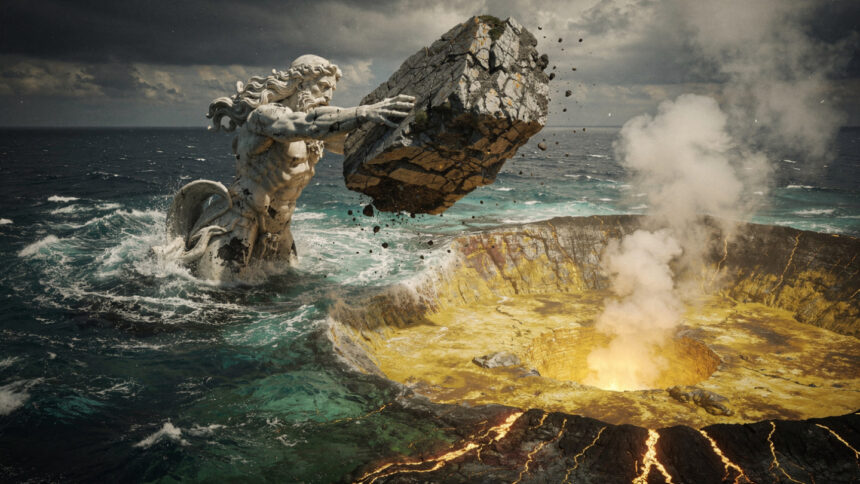
The traditions we see today on the islands still echo the deep ancient beliefs of the Mediterranean. Poseidon is still respected as the ultimate protector of the winter seas, even if his name is whispered less frequently. Hestia, the goddess of the hearth and home, is honored through the warmth of the family fire and the abundance of candlelight in the village windows.
Even the timing of the celebration aligns with the older solstice rituals that were once practiced on islands facing the open sea. The return of the light, symbolized by Apollo, is the true heart of the holiday. By choosing to visit during this time, travelers are participating in a cycle of celebration that is thousands of years old.
Why This Experience is Gaining Popularity
This type of travel resonates deeply with modern audiences because it offers a genuine alternative to the commercialized holiday season. It provides warm winter escapes for those tired of the gray northern skies. It offers immense cultural depth and an opportunity to see the islands without the frantic energy of the summer peak.
For international travelers, the idea of celebrating Christmas by the sea in the sunlight, surrounded by rituals that are quietly and authentically alive, feels both exotic and deeply grounding. It is not just about taking a vacation; it is about a rediscovery of what the winter season was always meant to be.
Christmas Without Snow But Full of Soul
Greek island Christmases are not inherently loud or excessively flashy. They do not rely on artificial glitter. Instead, they possess a deep, internal glow. They invite the traveler to slow down, to breathe in the cool salt air, to light a single beeswax candle in a quiet chapel, and to remember that winter was once a season of profound reflection rather than mindless consumption.
Perhaps that is the greatest gift these islands offer during the month of December. They provide a Christmas that is closer to its ancient roots, a celebration that honors the sea, the light, and the enduring spirit of the Mediterranean people. It is a season of saltwater, soul, and the timeless return of the sun.