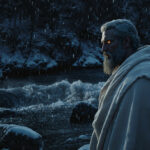
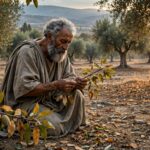

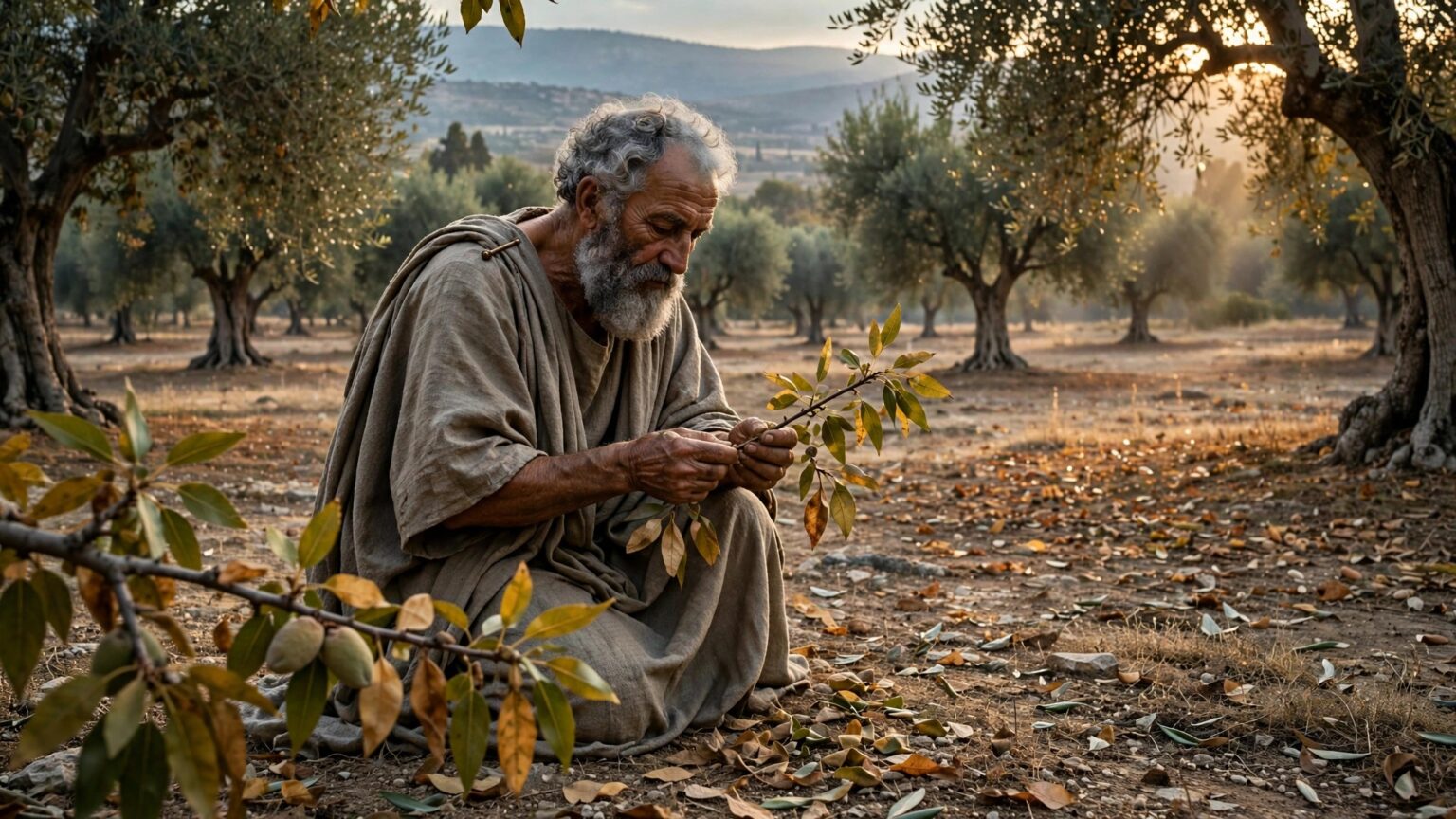
The almond tree gave Theophrastus a problem. Nothing about it was dramatic. No storm broke over Attica, no rare specimen arrived from some distant island, nothing in the tree announced that history would remember it. It simply did something a neat theory did not predict. It came into leaf early, earlier than most of its neighbors, and the obvious symmetry said it should lose those leaves early too, the same tree that arrived first in spring departing first in autumn. It did not. If anything, the almond was comparatively late in shedding.

Theophrastus noticed, and he wrote it down exactly as he saw it rather than as the symmetry demanded. That small act, recorded in the first book of his Historia Plantarum, is one of the more revealing moments in the history of ancient science, not because the observation itself is dramatic but because of what it shows about the instinct behind it. Look at the thing itself. Compare one plant against another. Notice the exception rather than smoothing it away. Ask what causes the difference, and let the living thing outrank the elegance of the explanation.
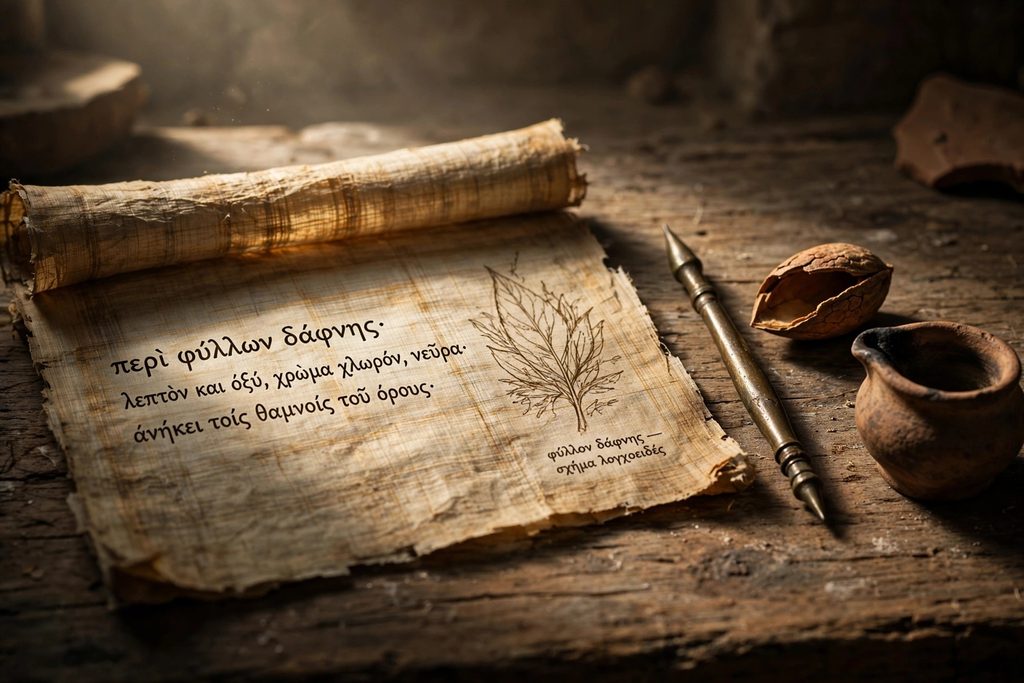
His botanical writing contains hundreds of observations built on that same instinct, some precise, some tentative, some since overturned by better evidence, but all driven by a refusal to let a tidy pattern override what the plant in front of him was actually doing.
The Man Aristotle Renamed
The man history knows as Theophrastus was born Tyrtamos at Eresus on Lesbos, probably around 371 BCE. The familiar story, preserved mainly by the biographer Diogenes Laertius, says Aristotle gave him the name Theophrastus, carrying the sense of a divinely graceful speaker, in recognition of his eloquence. That story should be read as the ancient explanation of his name rather than as a fact that can be independently confirmed, though by the time Aristotle wrote his own will, the man is already recorded under the name Theophrastus rather than Tyrtamos. Aristotle’s will, naming guardians for his young daughter, lists Theophrastus among them and offers him, should he accept, the same standing as Nicanor, Aristotle’s chief executor, a small but telling sign of how much trust had accumulated around him by then.
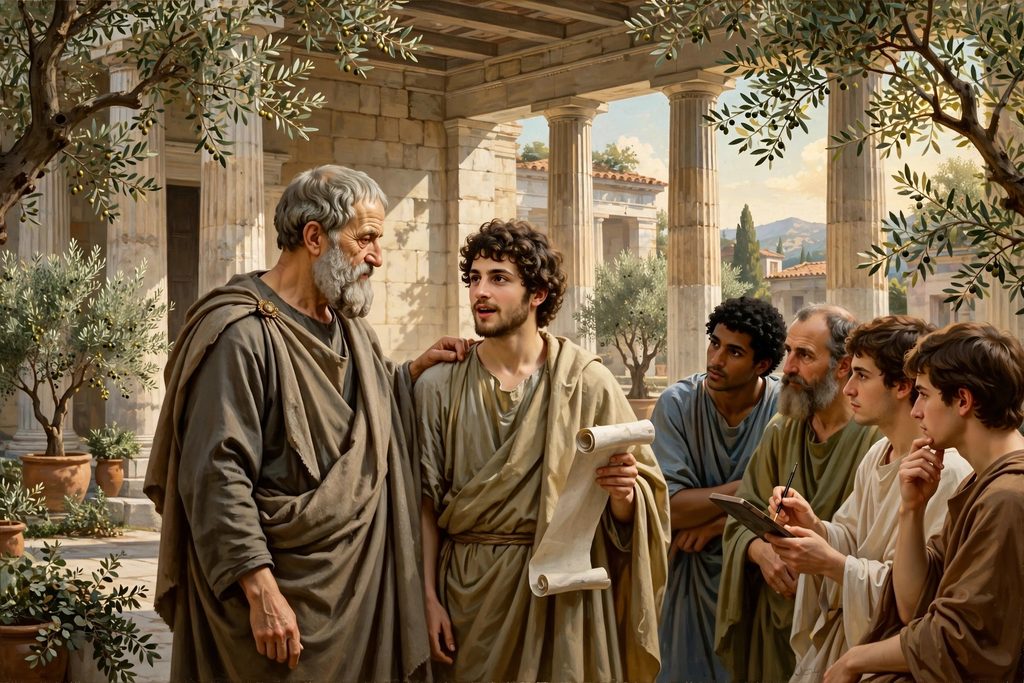
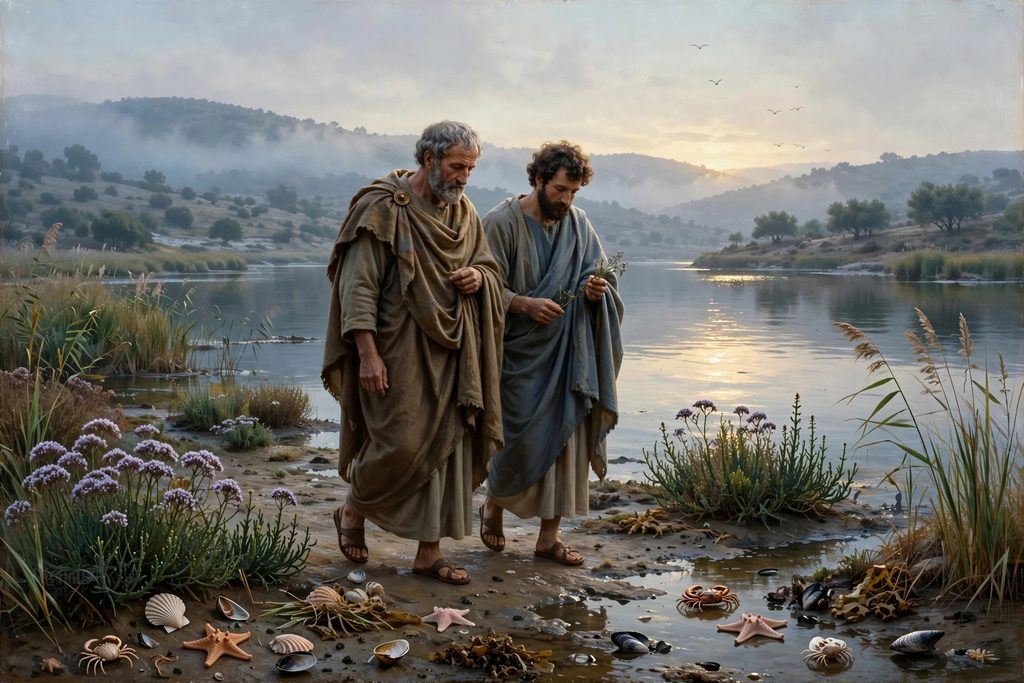
His path to Aristotle was not a straight line from pupil to master. He first heard his countryman Alcippus lecture at Eresus, and only afterward heard Plato in Athens, whom the ancient tradition says he left for Aristotle. That makes Theophrastus someone who had already tested one philosophical school before choosing another, rather than a young man picked up as a blank slate. He became Aristotle’s student, then his close working colleague in the fuller sense of someone who built alongside rather than simply beneath him, within the wider circle of inquiry into natural history, logic, and ethics that Aristotle was developing, the same circle whose grounding work included the close, patient observation Aristotle carried out on the marine life of the Kalloni Gulf during his own years on Lesbos.
When Aristotle died in 322 BCE, Theophrastus succeeded him as head of the Lyceum and led it for roughly thirty-five years. The ancient biography credits him with remarkable popularity, putting his audience at close to two thousand pupils, a figure worth treating as testimony to his reputation rather than as a precise ancient headcount. What matters for this piece is narrower. He was not a minor figure working quietly in his teacher’s shadow. He took the Lyceum’s programme and extended it into the systematic study of plants with the same rigor Aristotle had applied to animals, asking not what a given species was good for but what it actually was, how it grew, and why its parts behaved the way they did.
The Leaf With Two Faces
The same quality of attention shows up in his treatment of a single leaf. Theophrastus observed that a leaf’s upper and under surfaces are not identical. In most plants he found the upper surface greener and smoother, while the underside carried the visible fibres and veins, which he compared to the lines of a human hand, an analogy that works precisely because it is observational rather than ornamental. He went on to note that most leaves present their brighter upper surface to the light and turn to follow the sun as it moves, a pattern he traced closely enough to notice in crowded, opposite-leaved plants like myrtle, even while admitting that the exact geometry of which surface sits nearer the twig was not something he could fully resolve.
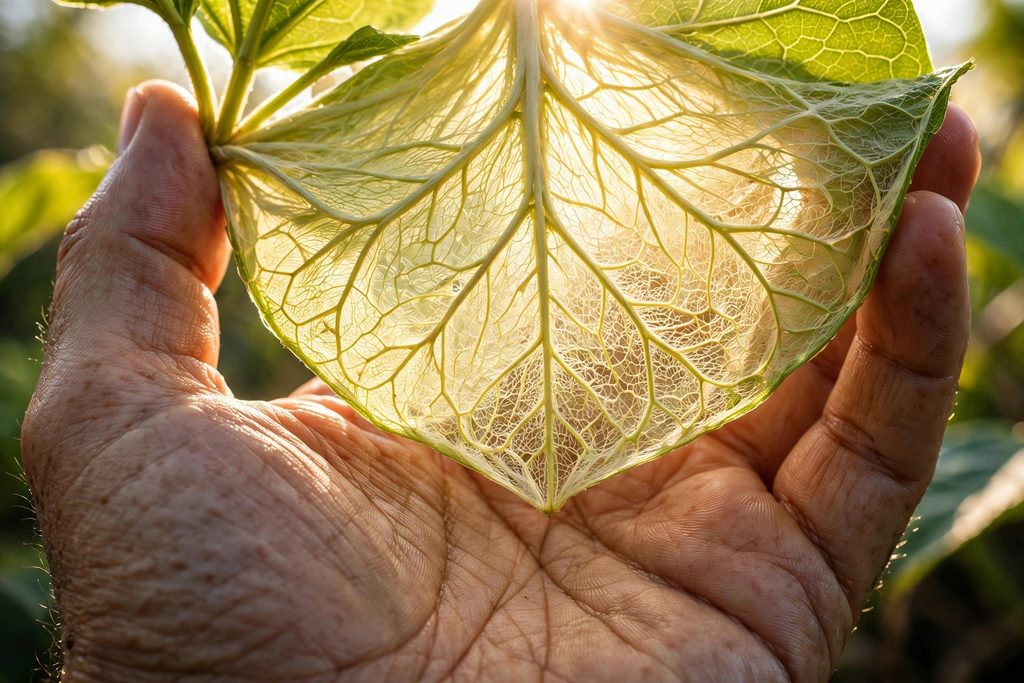
It is tempting to read this passage backward through modern botany and credit him with anticipating photosynthesis, the vascular system, or the physiological role of a leaf’s two faces. That would overstate the case. Theophrastus had no microscope, no chemistry, no concept of plant hormones or cellular structure, and nothing here should be mistaken for a theory of leaf physiology in anything like the modern sense. What makes the passage matter is narrower and, in its way, more impressive.

He looked closely enough at an ordinary leaf to notice distinctions a less patient observer would have walked past, held specimens in his hand, turned them in the light, and found a genuine structural resemblance between a leaf’s underside and a human palm worth setting down in writing.
Why Some Trees Keep Their Leaves
Theophrastus’s curiosity about plants becomes more interesting still once it moves from describing what they do to asking why. That question, why some trees are evergreen and others deciduous, belongs to the companion work he wrote once the Historia Plantarum’s descriptions had accumulated, the Causes of Plants, the De Causis Plantarum, where the project shifts from cataloguing behavior toward explaining it. His answer does not invoke a tree deity’s particular favor. It reasons from something close to what a modern botanist would call leaf structure, the relationship between a leaf’s build and its capacity to withstand cold and drying wind, against the traits that make a leaf unsuited to winter retention and make shedding it, before the season’s damage accumulates, the more economical option.
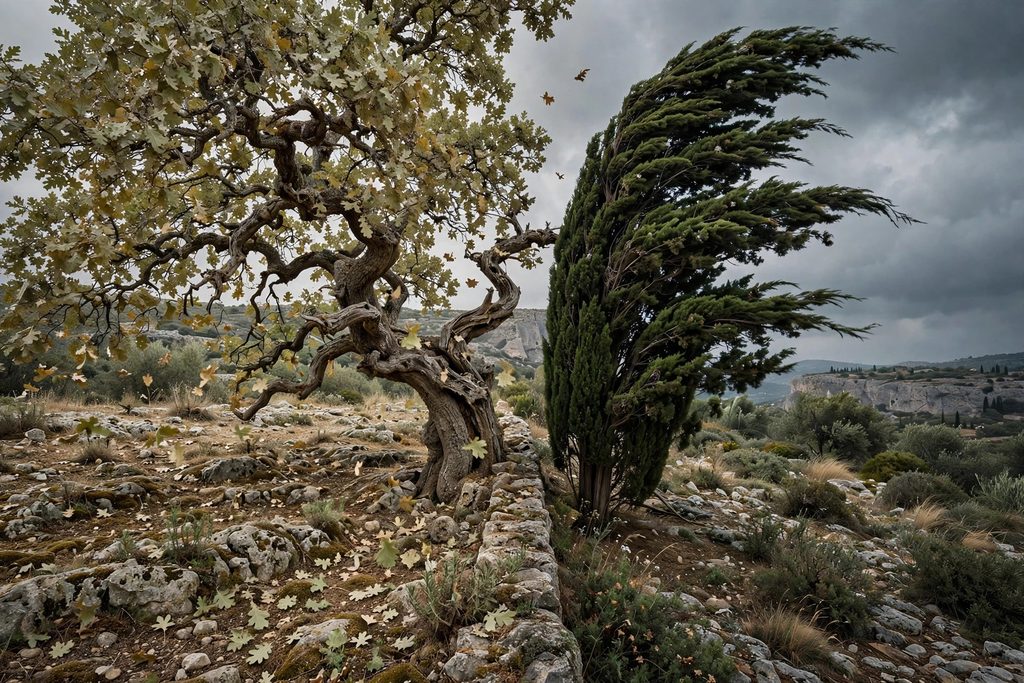
Not all of his explanations survive modern scrutiny. Some of his classifications do not map onto current taxonomy, and his account of plant reproduction and internal structure was bound by what the fourth century BCE could observe with the naked eye. That limitation makes the achievement more impressive rather than less. Working without instruments, he could still return to the same visible trees year after year, compare one against another, and ask whether their differences followed a consistent reason. The tree stopped being a symbol and became a problem to be worked out.
An Autumn Without Northern Colors
The autumn Theophrastus was watching was the Mediterranean autumn, not the northern European one the popular imagination usually summons at the mention of falling leaves, and the difference matters for understanding what he actually saw. The spectacular turning of maples and beeches into red and gold belongs to climates where summer is wet enough for deciduous leaves to build up the pigments that produce that change. Greek deciduous trees shed into a landscape that has been dry since May, and the leaves they drop are often still green or only faintly yellowed, because the slower desiccation that triggers their fall works differently from the cooler, wetter trigger further north.
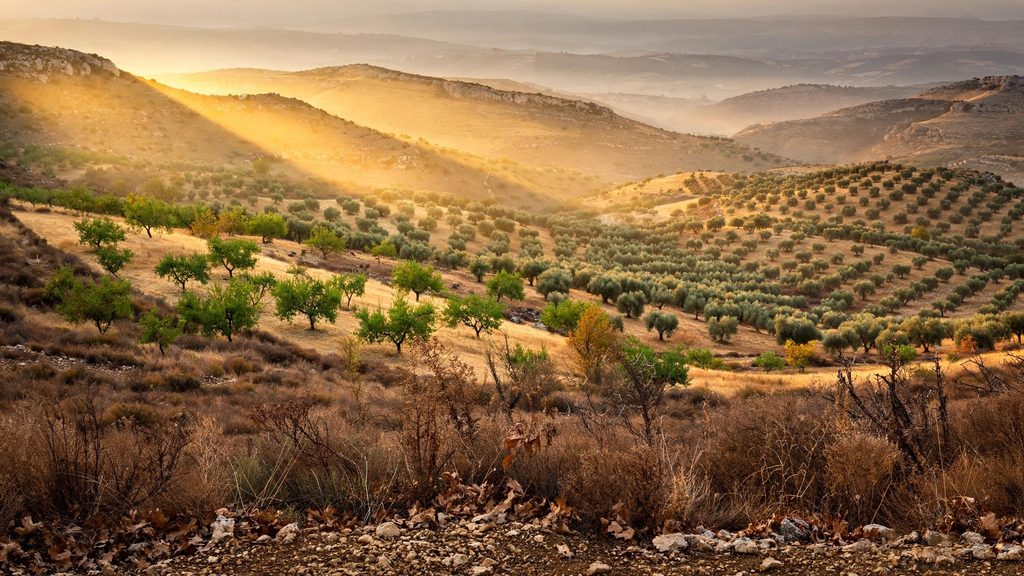
What the Greek autumn offers instead of color is texture and light, the particular quality of October sun through olive leaves whose paler undersides catch the low afternoon angle, almond orchards still green while the limestone hillsides above them have already gone brown, each species keeping its own calendar rather than all of them sharing one. The almond had its schedule. The olive had another. A landscape like that is not a single organism moving through a single season. It is a community of plants responding differently to the same conditions, and that is the quiet insight sitting underneath Theophrastus’s attention to timing.
The Garden Demetrius Helped Him Keep
The ancient biography says Theophrastus became the owner of a garden of his own after Aristotle’s death, through the intervention of his friend Demetrius of Phalerum, who at the time governed Athens and could help a resident foreigner secure property rights an ordinary non-citizen would not have held. That detail matters more than it first appears to. It roots the Lyceum’s continuation in a specific, documented act of political help rather than in a vague tradition of philosophical generosity, and it places Theophrastus’s botanical work inside a garden he could return to again and again rather than a landscape he only wrote about from memory.
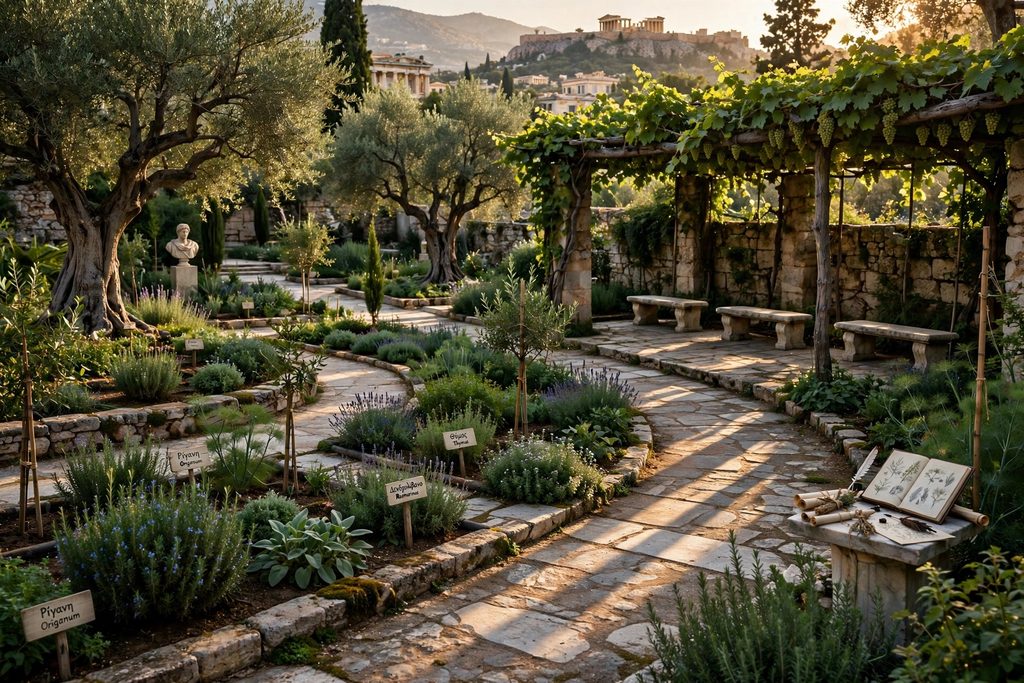
The evidence does not support every romantic reconstruction later writers have built around that garden, a fully equipped ancient research institution complete with planned beds and formal trial plots, and this piece resists inventing a version of his daily walks that the sources do not actually give us. What the sources support is narrower and still significant: a place, legally secured, where the peripatetic habit Aristotle had established, a school that walked while it thought, could continue, in a tradition of garden philosophy that Epicurus would shape into a school of his own on a different plot of Athenian ground only a generation later. Theophrastus kept revising the Historia Plantarum for decades, and by the ancient accounts it remained unfinished at his death. A man with thirty-five years to perfect his botanical work left it incomplete, which says something about the kind of inquiry he was running. It was an inquiry into living things that kept producing new things worth observing, so the record of it was never going to close on its own.
The Mastich Tree and the Calendar Hidden in a Plant

Theophrastus also wrote a short treatise on weather signs, the De Signis, now recognized as the most complete surviving collection of this kind of folk meteorology from antiquity, drawn on afterward by writers from Aratus to Pliny the Elder. Most of its material comes from the sky, from animal behavior, and from atmospheric phenomena like clouds and lamp flames rather than from trees, but the plant world does make one notable appearance.
The fruiting of the mastich gives signs as to the seasons of sowing: it takes place at three several periods, which indicate respectively the time for the first the second and the third sowing, and according as one or the other of these fruiting times turns out best and produces the most abundant fruit, so too will be the success of the corresponding time of sowing.
A plant becomes a calendar in that passage, and more than a calendar, a forecast. The farmer did not need to believe the mastich possessed some supernatural foreknowledge for the sign to be useful. What mattered was the repeated correlation, observed across enough years that the pattern could be trusted, between how well one of the tree’s three fruitings turned out and how well the matching sowing would go. It is the same returning, comparing, exception-noting habit of mind that produced the almond and leaf observations, pointed at a more practical question and serving, in effect, as a farmers’ almanac for the educated Athenian household.
From Demeter’s Grief to a Plant’s Own Logic
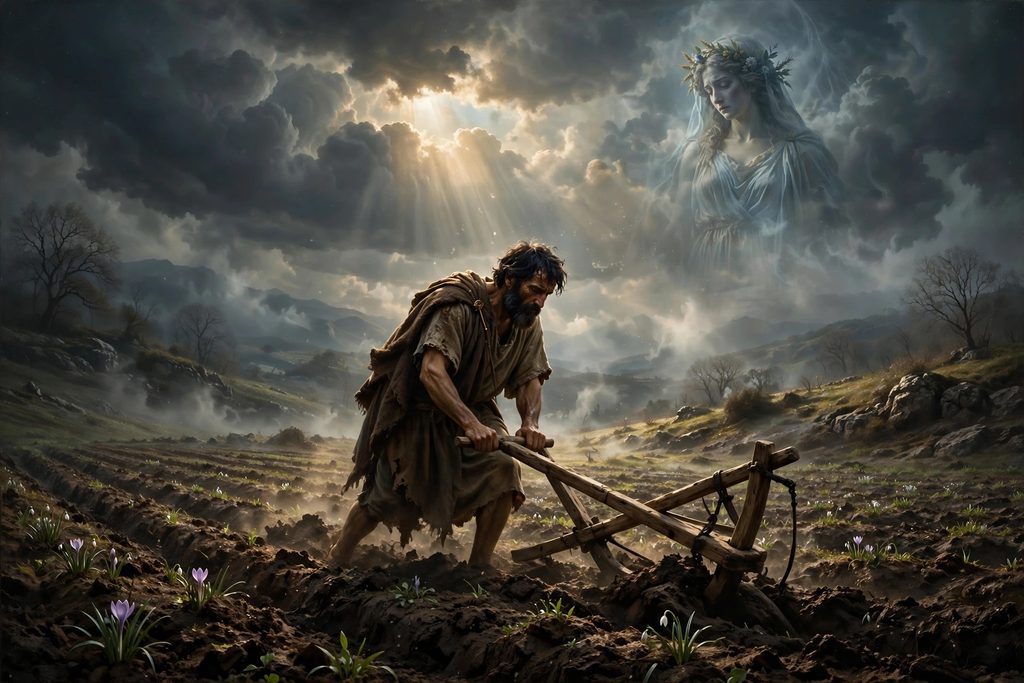
Ancient Greek culture already had a powerful vocabulary for explaining seasonal change. Demeter’s grief could turn the disappearance of vegetation into a goddess’s mourning made visible, and agricultural ritual could fold sowing and harvest into sacred acts. Theophrastus belonged to that world and never stood outside it announcing that the old stories were foolish, which would be anachronistic to claim of him. What changes in his botanical writing is the kind of question being asked. Instead of asking only what the season means, he asks what a given plant is actually doing: that the almond keeps its leaves on a schedule of its own, that the mastich fruits in three distinct waves, that a leaf’s two faces are built differently and respond to light differently. None of that abolishes the mythology. It opens a second register of explanation alongside it, one in which a plant can be studied closely without first being turned into a symbol.
What Theophrastus Got Wrong
The title father of botany invites a kind of protection that Theophrastus does not need and should not be given. He was wrong about a great deal. Some of his classifications do not correspond to how modern taxonomy divides the plant kingdom. His accounts of generation, nutrition, and internal structure rest on physics and biology that later centuries overturned, and some of his claims were borrowed secondhand from other observers rather than checked firsthand. None of that diminishes what he built. A scientific tradition does not earn its importance because its founder happened to be right about everything. It earns that importance because later thinkers inherit something they can argue with, categories they can test, and observations precise enough to be revisited and corrected. The almond did not need Theophrastus to explain why it kept its leaves late. It only needed him to notice that it did, and to write that down carefully enough that the explanation could wait for someone else.
The Unfinished Garden
Diogenes Laertius preserves what are said to be Theophrastus’s final words to his students, delivered at around eighty-five years old. Their substance, allowing for the uncertainty that surrounds any reported deathbed speech transmitted secondhand across centuries, was that life holds more disappointment than reward, that the pursuit of glory for its own sake is close to worthless, and that his students were free to set aside the demanding discipline of philosophy or to carry it forward and earn the reputation that came with persevering. Whether every word of that account should be taken literally is a separate question from whether it suits the surviving botanical works, and on that count it suits them well. Continue the inquiry is close to the instruction those works themselves give their reader. Do not trust the first explanation. Do not assume one tree speaks for every tree. Do not smooth away the exception because the pattern would be tidier without it.
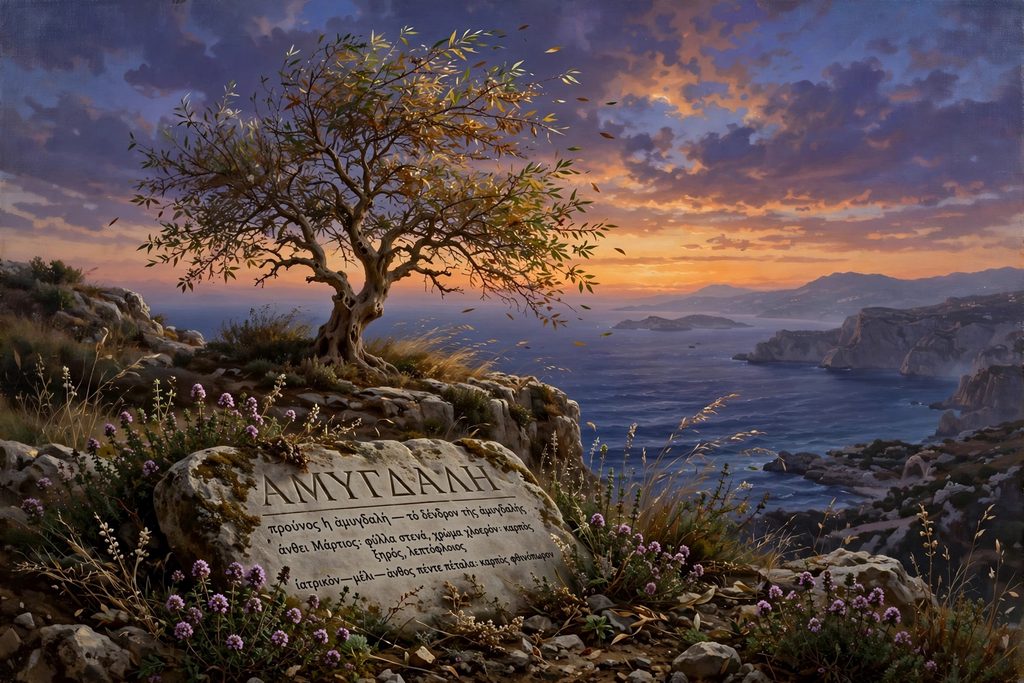
The almond trees of Attica have kept their leaves again this October, later than the spring calendar would predict. They will drop them eventually, before the first hard cold. The pattern Theophrastus recorded is still running in the same trees in the same landscape, two and a half thousand years after a man in a borrowed garden noticed that what a tree was doing did not match what the theory said it should be doing, and decided the tree was right.
At Olympus Estate, Tales from Olympus moves through the figures who shaped how the Greek world understood itself, and Theophrastus belongs there as much as any mythic hero. Born Tyrtamos on Lesbos, renamed by Aristotle for his eloquence, trained first under Plato and then under Aristotle, he inherited the Lyceum in 322 BCE and led it for some thirty-five years while a garden secured for him through Demetrius of Phalerum’s political help kept the peripatetic habit of walking and arguing alive. He recorded an almond tree that broke the expected symmetry between its spring leafing and its autumn shedding, a leaf with two differently structured faces that turn to follow the sun, an evergreen question answered through physiology rather than divine favor, and a mastich tree whose three fruitings told farmers when to sow. He was wrong about plenty, and said so would not have troubled him, since what he left behind was never a finished system but an unfinished habit of looking twice at anything that refused to behave. The almond orchards of Attica are still, this October, running on the same observational clock he first wrote down.