

Long before twinkling lights adorned evergreen trees and carols filled the winter air, humanity marked the darkest days of the year with profound, life-affirming rituals. In ancient Greece, where the sun was revered as a life-giving force, the winter solstice was far more than an astronomical event; it was a sacred turning point, a time of quiet reflection and fervent celebration. This moment was often referred to as the “birth of the light”.
For anyone interested in Greek heritage and the origins of modern traditions, exploring these ancient winter rituals reveals a captivating lineage. They show how the enduring human need for light, warmth, and hope has connected Greek traditions to the festive spirit of our own winter holidays.
The Longest Night: A Time of Dormancy and Promise
The winter solstice, occurring around December 21st, marks the moment when the sun reaches its lowest point in the sky, heralding the shortest day and the longest night of the year. For an agricultural society like ancient Greece, this wasn’t just a celestial event; it was a crucial point in the annual cycle of growth and decay. The earth lay dormant, seeds rested beneath the cold soil, awaiting the eventual return of warmth and fertility.

This period was fraught with a unique tension: the potential for endless darkness, balanced by the promise of the sun’s inevitable return. It was a time for rituals that acknowledged the darkness but ultimately championed the rebirth of light, a theme that sits at the very heart of many modern Christmas origins and celebrations.
Haloa: The Feast of Fertility and Divine Renewal
The most significant Greek festival celebrated during the winter solstice was the Haloa (Αλώα). This was not a small, localized event, but a major festival primarily observed in Athens and the region of Attica, with distinct characteristics that resonate with later holiday traditions.
Demeter: Guardian of the Harvest

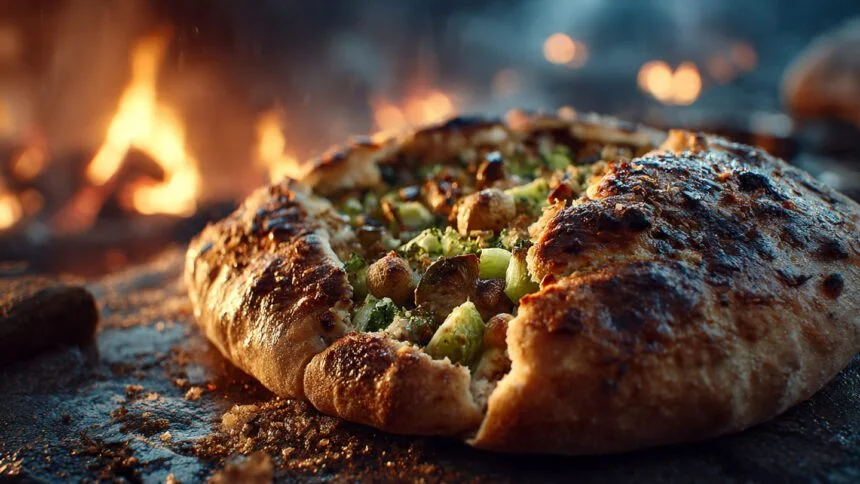
The Haloa festival was dedicated primarily to Demeter, the revered goddess of the harvest, agriculture, and fertility. This was primarily a women only festival, focusing on the sanctity of seeds, the bounty of the fields, and the hope for a successful planting season to come. During this time, special sacrifices were made, and ritual meals consumed, all aimed at coaxing the earth back to life. It was a time of acknowledging the seeds lying dormant, awaiting their “rebirth” in spring.
Dionysus: The Dying and Rising God
Crucially, the Haloa also honored Dionysus, the intoxicating god of wine, revelry, madness, and resurrection. Dionysus’s myths often involve cycles of death and rebirth, mirroring the agricultural year. He was often celebrated as the “divine infant” during the winter solstice, with hymns and festivities marking his rebirth and the renewed flow of life. This theme of a divine birth and a dying-and-rising god is a powerful echo, connecting the ancient world’s hope for renewal with later religious narratives.

The festivities included feasting on the year’s stored bounty, plentiful wine, and communal merriment. Like many solstice festivals, it was a time for temporarily suspending social norms and indulging in joyful abandon, a clear thematic precursor to the festive atmosphere of modern winter holidays and celebrations.


Kronia: The Roots of the Roman Saturnalia
While the Haloa was distinctly Greek, another related festival—the Kronia—played a pivotal role in shaping the famous Roman Saturnalia, which is widely acknowledged as a significant influence on our modern Christmas customs and traditions.
Kronos: The Golden Age of Merriment
The Kronia was a Greek festival dedicated to Kronos, the Titan father of Zeus. In myth, Kronos’s reign was often depicted as a Golden Age of peace and abundance before the rise of the Olympian gods. This festival, celebrated with feasting and revelry, was a remembrance of that idyllic past, a time of temporary equality and freedom from toil.

The Romans adapted the Kronia into their wildly popular Saturnalia, celebrated from December 17th to 23rd. This festival famously involved masters serving slaves, gambling, gift-giving, and general merrymaking, customs that are undeniably mirrored in our contemporary holiday traditions, from office parties to exchanging presents.
The Sun’s Triumphant Return: A Universal Motif
The ultimate symbolic connection to Christmas day itself comes from the Roman festival of Dies Natalis Solis Invicti (“Birthday of the Unconquered Sun”), which was celebrated on December 25th. While Roman, this festival directly builds upon the ancient Greek reverence for the sun and the hope for its imminent return following the solstice.

This powerful motif of the rebirth of the sun after the longest night is a universal human theme. It speaks to our deep-seated need for light, warmth, and the promise of a new beginning, a concept the ancient Greeks understood deeply as they celebrated the Haloa and eagerly observed the turning point of the winter solstice.
Finding Ancient Echoes in Modern Celebrations
As you plan your travel to Greece during the winter holidays, remember these ancient connections. When you see the Christmas boat shining brightly in a harbor (a uniquely Greek tradition), or share festive treats with new friends, you’re not just participating in a modern celebration. You are, in a profound way, echoing the same human needs and hopes that spurred the ancient Greeks to celebrate the Haloa, raise a glass to Dionysus, and eagerly await the solstice birth of the light.

The winter season in Greece, far from being just a quiet interlude, is a vibrant canvas where the threads of myth, history, and enduring human spirit are beautifully intertwined. It’s an opportunity to experience Greece not just as a destination, but as a living bridge to the past, participating in ancient celebrations that echo the timeless hope for renewal.