



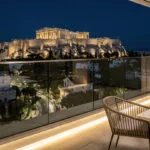
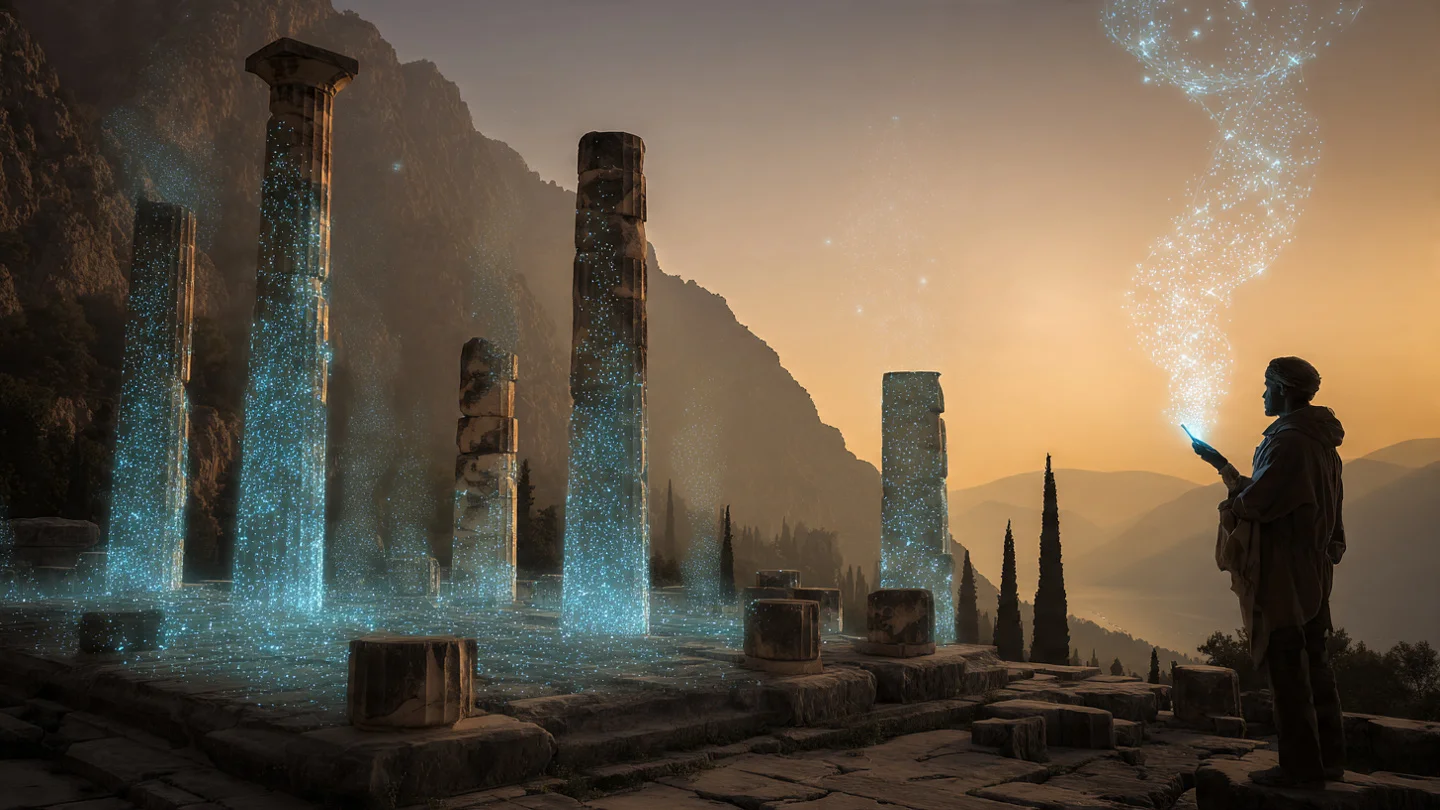
As Socrates once said, wisdom begins in wonder. It is a statement that feels remarkably relevant as we stand on the threshold of a new era of movement. There is a quiet hour in the Greek landscape, usually just before the sun surrenders to the Aegean, when the wind drops and the stones themselves seem to rest against the weight of the past. It is in moments like these that the land reveals itself not as a backdrop for a vacation, but as a companion, a teacher, and a fellow wanderer. The ancient Greeks knew this instinctively. They believed that paths were not only physical but narrative. They were routes through place and story, through the visible world and the unseen one. Itineraries were unspoken maps of meaning, intuitively chosen and practiced over time through the lens of ritual and necessity.
In the world we inhabit now, technology claims to know us with a frightening intimacy. Algorithms promise to anticipate our wishes before we even dare to articulate them. They suggest books, music, and now, the very routes we should take across the surface of the earth. Yet this era, with all its sterile innovations, still seeks the ancient. We crave depth, connection, and a rhythm that feels human rather than mechanical. The rise of AI travel planning is not a contradiction to this search. Instead, it brings new tools to an old impulse. In 2026, travelers are finding that the most compelling journeys are those that blend the precision of the algorithm with the poetry of the landscape. We are learning to weave the digital thread into the mythic tapestry of Greek culture.
The Marriage of Algorithm and Oracle
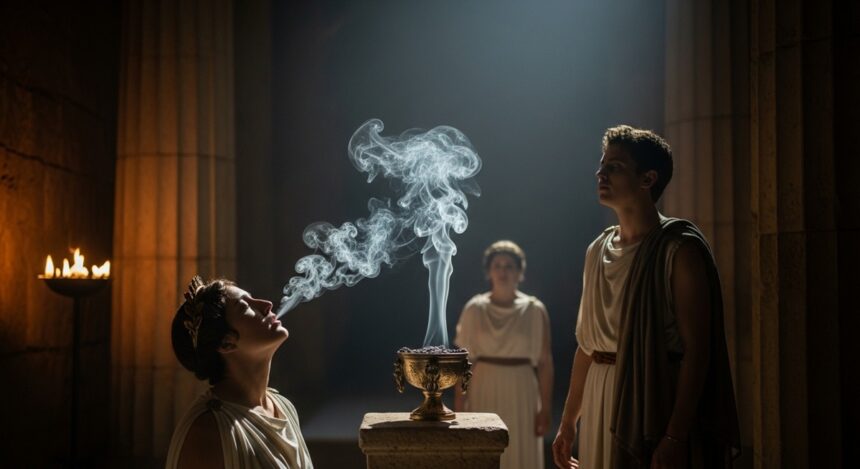
For millennia, the Greeks charted their movement by the stars and the seasons. Sailors crossing the unpredictable Aegean watched for Orion to rise over unfamiliar islands, while inland, the festive calendars were tied to the lunar cycles. Roads were followed by merchants, soldiers, and pilgrims alike, each carrying a mental map that was as much about storytelling as it was about geography. From the Minoan ports of Crete to the high, wind swept oracle path at Delphi, the landscape was woven into narrative, and narrative was translated into movement.

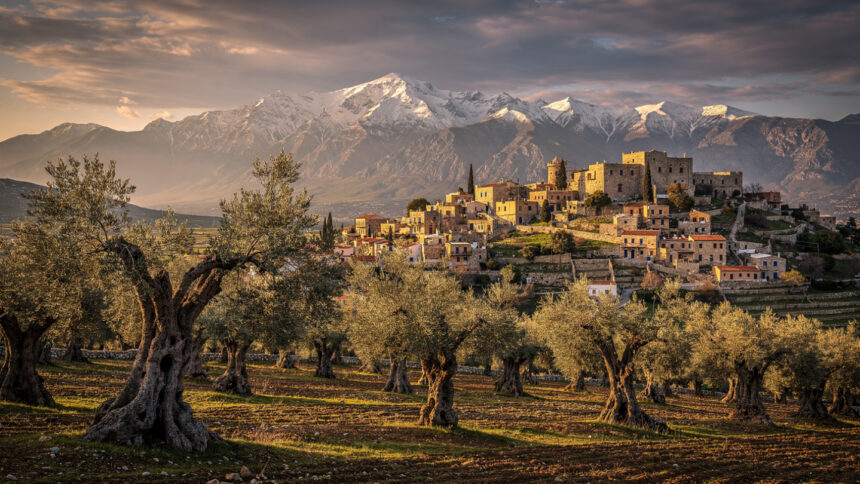
Today’s traveler still carries stories tied to place, even if they arrive via a smartphone screen. They long to stand where Apollo’s light once guided crowds to the center of the world. They want to walk the silver olive groves near Sparta where legends outlasted the stones of the city itself. The desire for connection is older than any satellite. AI travel planning in 2026 is most useful when it respects this ancient impulse. It can sift through the noise of a thousand reviews and a million data points to predict the routes likely to resonate with a specific traveler’s soul. But once the route is set, the traveler must engage with the land on its own terms.
The digital tool provides the skeleton, but the traveler provides the breath. A personalized itinerary built with AI can ensure you arrive at the Temple of Poseidon exactly when the light is most dramatic, or it can find the one mountain village in the Peloponnese that still practices a specific weaving tradition. However, it cannot tell you how the air smells of wild thyme after a rainstorm. It cannot replicate the weight of a hand carved wooden chair in a village kafeneio. The technology is the modern Ariadne, offering a line through the labyrinth of travel logistics so that the wanderer can focus on the experience itself.
Designing a Narrative through the Peloponnese
There was a time when itineraries were dictated by the harsh realities of survival. Winter travel was about finding shelter from the Boreas, the north wind. Spring was about the return of the sun and the beginning of the planting season. Today, technology allows us to design journeys that feel intuitively right for our modern needs while honoring these older cycles. An AI can analyze the historical weather patterns of the Mani coast, the seasonal opening times of remote monasteries, and the availability of boutique stays.

Consider a journey designed for late winter or early spring. The digital planner might suggest starting in the fortified town of Monemvasía. It identifies that the crowds are nonexistent and the stone houses hold the heat of the day. From there, it charts a course through the deep, vertical landscapes of the Mani, where the towers of Vathia rise like stone fingers against the sea. This is travel for 2026 at its best. It is a trip that values silence over spectacle.

As you move through these regions, the digital thread stays in the background. It reminds you of a hidden spring near the site of ancient Messene, or it suggests a detour to an olive oil mill that has been in the same family for five generations. The itinerary becomes a living thing. It adapts to the fact that you spent three hours longer than planned talking to a woodcarver in Vitina. This fluidity is what makes a journey mythic. It allows for the intervention of the gods, or in modern terms, the intervention of serendipity.

The Sensory Reality versus the Digital Prompt
One must be careful not to let the tool become the master. There is a risk in our current age of over optimization. If an algorithm tells you exactly where to eat, where to stand for the best photograph, and what to feel when you see a ruined column, it has stolen the journey from you. The Greek lifestyle is defined by a certain messiness, a beautiful imperfection that resists the neat categories of a spreadsheet. It is found in the way a conversation in a tavern can stretch from a simple question about the menu into a two hour discussion on the nature of fate.
The sensory reality of Greece is tactile and often unpredictable. The digital prompt can say that the hike to the Dragon Lake on Mount Tymfi is a five hour endeavor. It cannot prepare you for the sudden, cold mist that can roll off the peaks, making the world feel as if it has returned to the primordial chaos of Hesiod’s Theogony. To build the perfect personalized itinerary, one must leave gaps. The best planners in 2026 are those that suggest blocks of unscheduled time, labeled simply as “wandering.”
In regions like Arcadia, forest bathing among the towering fir trees is not something that should be timed. You move through the woods where Pan was once heard playing his pipes, and you let your own body tell you when to stop. The AI might have pointed you toward the trail, but the moss and the sunlight are the ones in charge now.

Wisdom in the Choices of 2026
The year 2026 represents a maturation of how we use technology. We are no longer impressed by the fact that a computer can make a list. We are looking for wisdom in the choices. A personalized itinerary now takes into account the ethical and cultural impact of the visit. It directs travelers toward sustainable practices, toward the protection of the dark skies above the Aegean, and toward the support of local artisans who are the keepers of Greek culture.
The digital thread can help you avoid the suffocating heat and the crushing crowds of the mid summer peak. It can show you the beauty of winter in Greece, when the light is crisp and the mountains are capped with snow. It can guide you to the thermal springs of Edipsos or Loutraki, places where the earth’s internal heat has been used for healing since the time of Heracles. The AI knows that in February, these waters are a sanctuary. It knows that the minerals in the water are a physical manifestation of the land’s power to restore.
By using these tools to spread travel across the year and across the geography of the country, we are practicing a form of cultural stewardship. We are ensuring that the hidden Greece remains preserved and that the most famous sites are not loved to death. It is the recognition that we are temporary guests in a landscape that measures time in centuries, not seconds. Our travel choices should reflect that humility.
The Human Factor in the Machine
No algorithm can replicate the voice of a local guide who remembers how the village looked before the road was paved. No data set can capture the exact tone of a priest’s chant during a mountain festival, or the way a farmer’s eyes crinkle when he talks about the coming harvest. The human factor is the final, essential layer of any itinerary. In 2026, the most sophisticated travel planners are those that act as bridges to these human connections.

Technology can steer you to a specific tavern in Thessaloniki, but it is the owner who will decide to bring you a plate of something not on the menu because he likes the way you laughed. It can tell you the ferry schedule to Patmos, but it is the silence of the Monastery of Saint John that will stay in your memory. We must use AI to clear away the logistical brambles so that we can have more of these human moments. We use the machine to find the time to be less like machines ourselves.
The perfect personalized itinerary is one that leads you to a place where you can put the phone down. It brings you to a stone terrace overlooking the Mani, where the only thing on the schedule is watching the stars appear, one by one, in the same patterns that the ancient navigators used to find their way home. It brings you to a point of arrival that feels like continuity rather than an end. You are not just visiting a place; you are stepping into a story that is still being written.
Following the Path Carved Long Ago
As we move forward into 2026, the paths we take through Greece will continue to be a blend of the old and the new. We will use AI travel planning to map out the possibilities, to find the hidden gems, and to manage the complexities of modern movement. But we will always look to the myths to understand the meaning of those movements. We will look to the land to provide the sensory richness that no digital screen can ever hope to mimic.

The journey through Greece has always been a search for something essential. Whether we are looking for healing in the thermal waters, clarity in the mountain air, or a sense of belonging in the village square, we are following a path that was carved long ago by the feet of those who came before us. The technology is merely a new way to see that path. It is a digital torch that we carry into the ancient darkness, not to banish the mystery, but to see where the next step should fall.
In the end, the most successful itinerary is the one that leaves you with more questions than answers. It is the one that reminds you that you are a part of a larger, mythic narrative. It is the one that teaches you how to listen to the stones and the wind. Greece is a land that rewards the patient, the curious, and the humble. With the right tools and the right intent, your journey in 2026 can be more than just a trip. It can be a homecoming.