



Among Greek mythology’s most intriguing figures are the mermaids, or Gorgons, whose tales of terror, beauty, and mystery resonate through the ages. These mythical beings, with their serpentine hair and petrifying gazes can be also gateways to exploring Greece’s breathtaking landscapes and cultural treasures.
The Myth of the Mermaids: A Tale of Power and Transformation
Who Were the Mermaids?
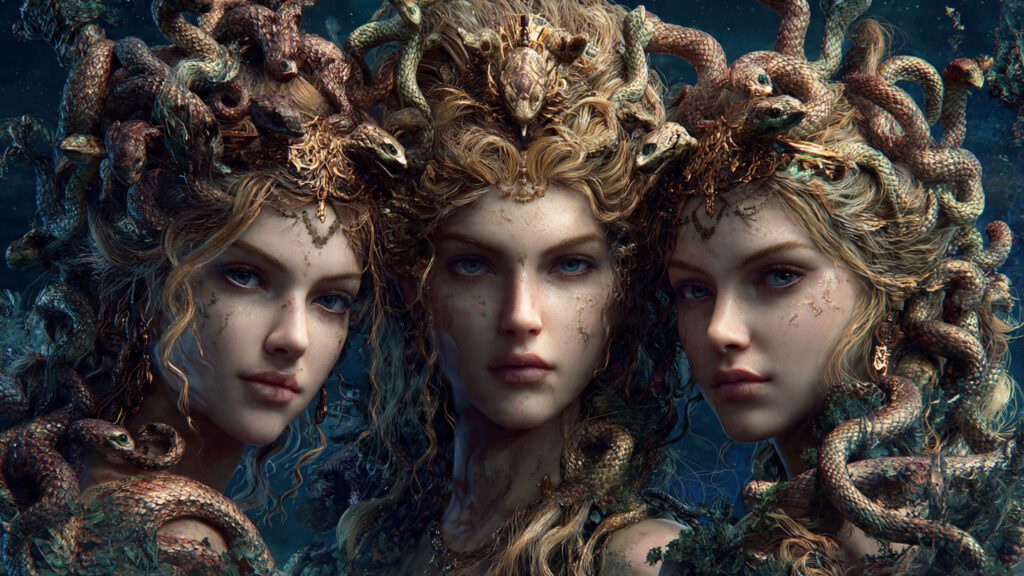
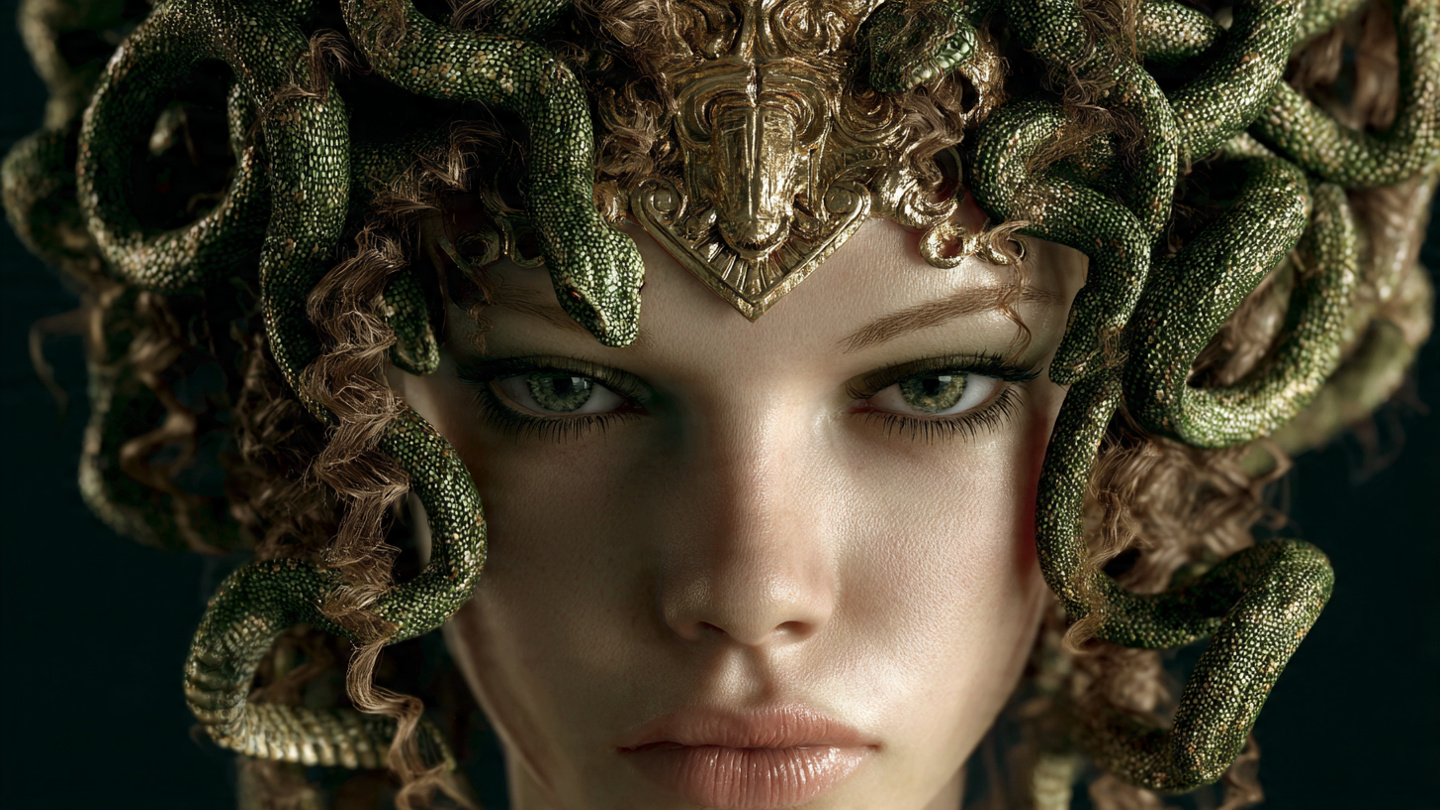
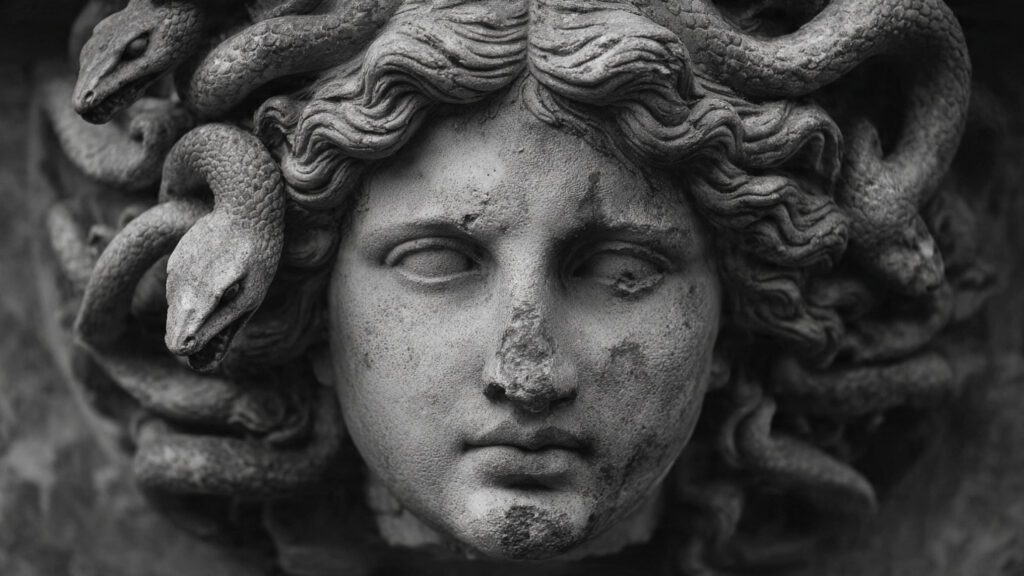
In Greek mythology, the mermaids—Stheno, Euryale, and Medusa—were daughters of the sea deities Phorcys and Ceto. Their names evoke the raw power of the sea: Stheno, derived from the Greek word for “vigor” or strength, symbolized the ocean’s unyielding force. Euryale, meaning “wide sea,” embodied its vastness. Medusa, the only mortal Gorgon, bore a name rooted in “medo,” meaning to rule or protect, casting her as a guardian figure. These sisters were depicted as fearsome creatures with snakes for hair, wild eyes, and protruding tongues, their visages so terrifying they could turn onlookers to stone. Yet, beneath this monstrous exterior lies a complex tapestry of lore, linking them to both divine and earthly realms.
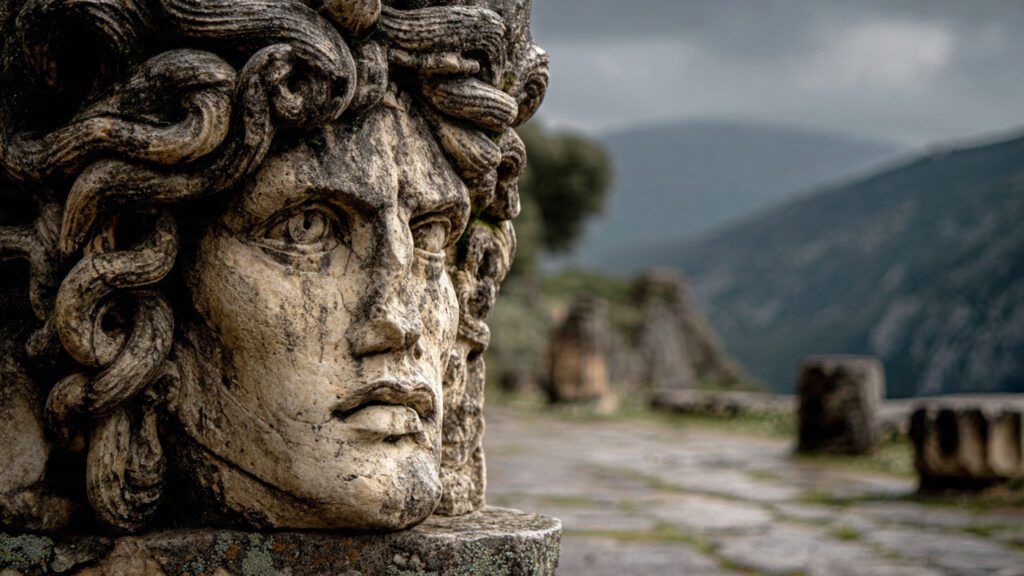
Hesiod, the ancient Greek poet, places the mermaids in a distant western abode, beyond the Atlantic Ocean, near the Hesperides—a mythical garden associated with golden apples and eternal twilight. Other sources, like the Cypriot Epics, suggest their home was the island of Sarpedon, while Pliny the Elder mentions the Gorgades, a cluster of islands in the same region. These locations, steeped in mystery, invite modern travelers to seek out their echoes in Greece’s far-flung destinations.
Medusa: The Queen of the Gorgons
Medusa stands as the most iconic of the mermaids, her story woven with themes of beauty, betrayal, and transformation. According to myth, Medusa was once a beautiful maiden who boasted of surpassing the goddess Athena in beauty. Enraged, Athena transformed her into a monstrous Gorgon, her hair replaced with writhing snakes. Perseus, the hero tasked with slaying her, used cunning and divine aid to behead Medusa, from whose neck sprang the winged horse Pegasus and the giant Chrysaor. Her severed head, capable of petrifying all who gazed upon it, was later gifted to Athena for her shield, the Aegis.
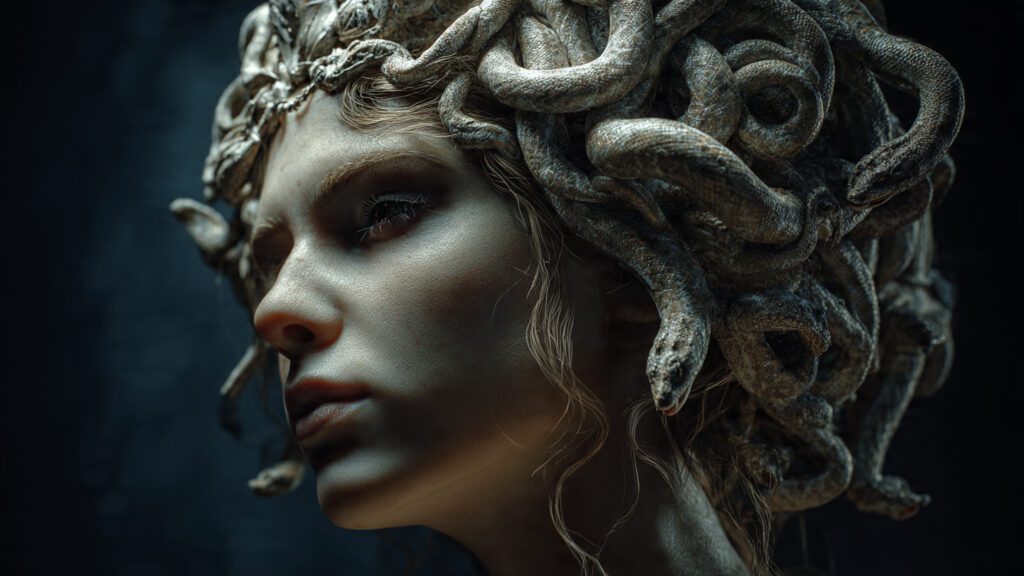
Scholars like Jane Harrison suggest the mermaids’ triadic form mirrors other divine trinities in Greek mythology, such as the Fates or Graces, hinting that Stheno and Euryale may have been later additions to emphasize Medusa’s prominence. Some even propose that Medusa was an early form of Athena herself, her fearsome mask used in ancient rituals to inspire awe. This connection invites travelers to explore sites sacred to Athena, where the echoes of Medusa linger in art and architecture.
The Mermaids in Modern Greek Folklore
The mermaids transcend ancient texts, finding new life in modern Greek folklore. A beloved legend ties the Gorgons to Alexander the Great, casting a mermaid as his sister. Cursed to become half-fish after spilling the water of immortality, she roams the seas, asking sailors, “Is Alexander the Great alive?” A correct response—“He lives and reigns”—spares the ship, while a wrong answer dooms it to the depths. This tale, blending ancient and medieval myths, underscores the enduring fascination with the mermaids and their connection to Greece’s maritime culture.
Traveling Through Greece: Where Myth Meets Reality
The myths of the mermaids are not confined to ancient texts; they resonate in Greece’s landscapes, from rugged coastlines to sacred temples. Below, we explore Greek travel destinations where the legacy of the Gorgons intertwines with natural beauty and cultural heritage, offering a unique itinerary for mythology enthusiasts and adventurers alike.
Athens: The Heart of Athena and Medusa
Athens, Greece’s vibrant capital, is the perfect starting point for a mermaid-inspired journey. The city is steeped in the myth of Athena, whose rivalry with Medusa shaped the Gorgon’s fate. The Parthenon, perched atop the Acropolis, is a must-visit, its friezes and artifacts echoing the divine power of Athena. Nearby, the Acropolis Museum houses sculptures and reliefs, some depicting Gorgon-like figures, offering a glimpse into their artistic legacy. Wander the National Archaeological Museum to see the Gorgoneion, a protective symbol of Medusa’s head, used in ancient amulets and shields.


Beyond museums, Athens offers a bustling modern scene. Stroll through Plaka, the historic neighborhood beneath the Acropolis, where tavernas serve Greek cuisine like moussaka and souvlaki. For a touch of mythology, visit the Temple of Olympian Zeus, where the grandeur of ancient Greece meets the urban pulse of today. Athens is a gateway to understanding how Medusa’s myth evolved, from a fearsome deity to a symbol of protection.
Crete: Echoes of Minoan Masks
The island of Crete, a cradle of Minoan civilization, offers a deeper connection to the mermaids. Scholars suggest that Medusa’s terrifying visage may have originated from Minoan ritual masks, used to evoke awe in religious ceremonies. The Palace of Knossos, a sprawling archaeological site, is a testament to this ancient culture, with frescoes and artifacts hinting at divine figures akin to the Gorgons. Explore the Heraklion Archaeological Museum, where Minoan art showcases serpentine motifs and goddess imagery, possibly linked to Medusa’s pre-Olympian roots.

Crete’s rugged landscapes, from the Samaria Gorge to the beaches of Elafonissi, mirror the wild, untamed nature of the mermaids. For a coastal adventure, visit Chania, where Venetian architecture meets turquoise waters, evoking the Gorgons’ maritime domain. Crete is a living bridge between myth and reality, where travelers can walk in the footsteps of ancient deities.
Rhodes: The Island of Heroes and Gorgons
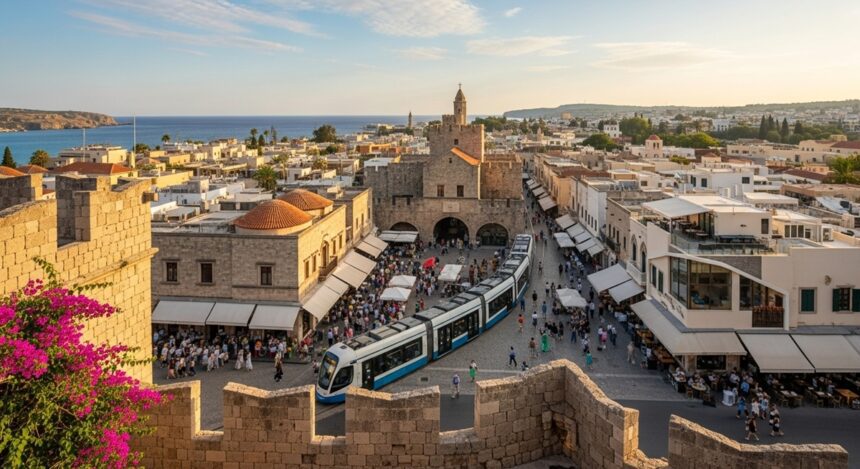
Rhodes, a sun-drenched island in the Dodecanese, is steeped in tales of heroism, making it a fitting destination to explore Perseus’ legacy. The Medieval City of Rhodes, a UNESCO World Heritage Site, transports visitors to a time when myths and history intertwined. Its fortified walls and cobblestone streets evoke the epic quests of heroes like Perseus, who vanquished Medusa. The Archaeological Museum of Rhodes displays artifacts with Gorgon imagery, reflecting their protective role in ancient art.

For nature lovers, Rhodes offers pristine beaches like Tsambika, where azure waters meet golden sands, reminiscent of the mermaids’ oceanic realm. The Valley of the Butterflies, a lush oasis, adds a touch of enchantment, echoing the transformative power of Medusa’s myth. Rhodes blends historical grandeur with natural splendor, making it a must-visit for mythology-inspired travelers.
Corfu: The Western Abode of the Hesperides
Hesiod’s placement of the mermaids near the Hesperides, beyond the Atlantic Ocean, points to the western reaches of the Greek world. Corfu, an Ionian island, embodies this mythical frontier with its lush greenery and dramatic coastlines. The Achilleion Palace, built by Empress Elisabeth of Austria, features statues of mythological figures, including Gorgon-like motifs, tying the island to ancient lore. The Old Town of Corfu, another UNESCO site, blends Venetian, French, and British influences, creating a cultural tapestry that complements the mermaids’ multifaceted myth.
Explore Paleokastritsa, a coastal gem with crystal-clear waters and sea caves, evoking the Gorgons’ maritime domain. Local legends whisper of mermaids haunting these shores, a nod to the Alexander the Great folklore. Corfu offers a serene yet mythical escape, perfect for travelers seeking the mermaids’ western abode.
Argos: The Burial Ground of Medusa’s Head
In the Peloponnese, the ancient city of Argos holds a unique place in Medusa’s myth. According to tradition, Perseus buried Medusa’s head here, and a massive Gorgoneion stone, attributed to the Cyclopes, once stood as a testament to this tale. Visit the Argos Archaeological Museum, where artifacts and inscriptions hint at the city’s mythological significance. The nearby Mycenae, a UNESCO site, offers a glimpse into the Mycenaean era, when Medusa’s myth took root.

For a natural complement, explore the Nafplio coastline, where the Palamidi Fortress overlooks the Argolic Gulf. The region’s dramatic landscapes and historical depth make it a fitting destination to reflect on Medusa’s enduring legacy. Argos invites travelers to uncover the intersection of myth and archaeology in the heart of the Peloponnese.
The Mermaids’ Legacy in Art and Culture
The mermaids, particularly Medusa, have left an indelible mark on Greek art and culture. From ancient pottery to Renaissance paintings, Medusa’s image has been both feared and revered. In Greece, Gorgoneion amulets were used as protective charms, their wide-eyed faces warding off evil. This tradition persists in modern Greek jewelry, where Medusa pendants are popular souvenirs for tourists.

Festivals like the Athens Epidaurus Festival celebrate Greece’s mythological heritage through theater and music, often featuring performances inspired by Perseus and Medusa. For travelers, these events offer a chance to immerse themselves in living mythology, set against the backdrop of ancient amphitheaters like the Odeon of Herodes Atticus.
Practical Tips for a Mythology-Inspired Greek Adventure
To craft a mermaid-themed Greek travel itinerary, consider these tips:
- Timing: Visit Greece in spring (April-May) or autumn (September-October) for mild weather and fewer crowds, ideal for exploring archaeological sites and beaches.
- Transportation: Use ferries to hop between islands like Crete, Rhodes, and Corfu, and rent a car for mainland destinations like Argos and Athens.
- Guides: Opt for guided tours at sites like the Acropolis or Knossos to uncover mythological insights from expert archaeologists.
- Accommodation: Choose boutique hotels in Plaka or Chania for a blend of history and comfort, or opt for seaside villas in Corfu for a mythical ambiance.
- Cuisine: Savor Greek cuisine like grilled octopus and tzatziki, paired with local wines, to fuel your adventures.
Embracing the Mythical and the Modern
A journey through Greece, guided by the myths of the mermaids, offers a unique lens to explore the country’s rich heritage. From the sacred heights of the Acropolis to the sunlit shores of Rhodes, each destination reveals a piece of the Gorgons’ story, blending ancient lore with modern beauty. Whether you’re drawn to the archaeological wonders of Crete, the heroic legacy of Argos, or the emerald waters of Corfu, this itinerary promises an unforgettable adventure. Let the mermaids guide you through Greece’s enchanting landscapes, where myth and reality dance in harmony.