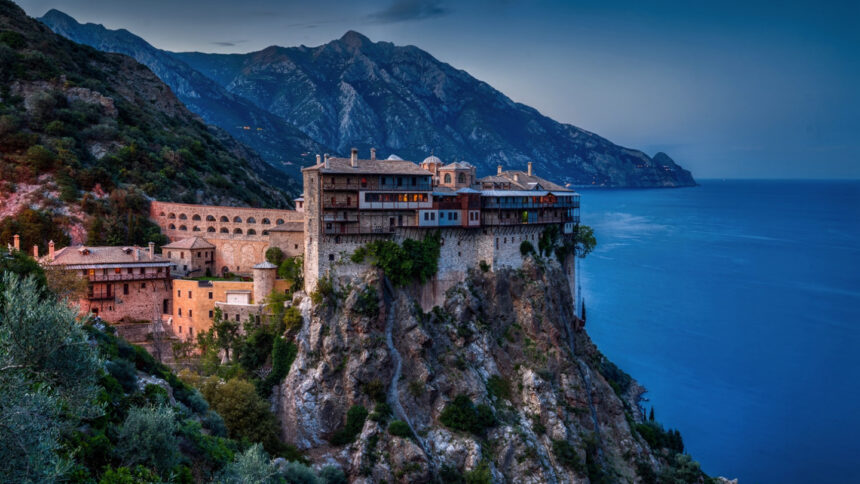





The Greek winter contains a brief interval when the air settles, the sea smooths, and the coastline falls into a stillness that has been recorded and explained for more than two thousand years. This period is known as the Halcyon Days, a recurring window of atmospheric stability shaped by Mediterranean climate patterns and preserved in Greek mythology. Meteorologists describe it as a calm that appears between mid-January and February, when high pressure forms over the Aegean and Ionian seas. Wind readings fall to their lowest values on the Beaufort scale, and the coastline holds a silence that predates any explanation for it.
Aristotle wrote of a fourteen-day calm centered on the winter solstice. Later observers linked this stillness to the nesting cycle of the kingfisher, Alcedo atthis, which requires tranquil coastal waters to protect its eggs. The calm is not folklore dressed up as fact. It is a genuine, predictable feature of the Mediterranean winter, and the myth that explains it grew directly out of the observed behavior of a real bird responding to a real seasonal weather pattern.
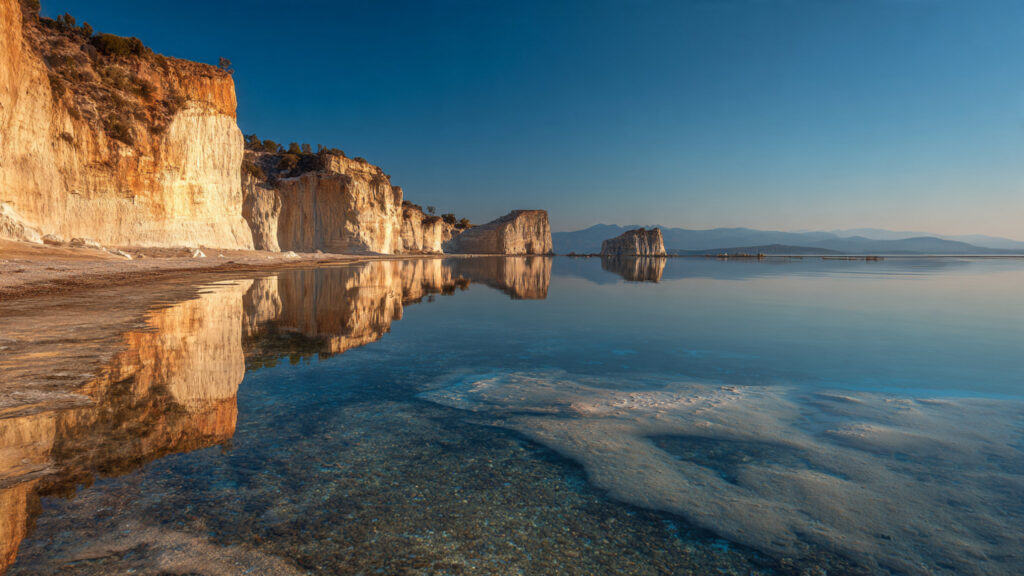
In the region of Trachis, winter arrives with a particular silence. Fishermen pause at dawn. The Aegean lies flat. The wind drops away entirely, and even the gulls adjust their flight because the thermals they depend on have vanished. These moments have a name older than meteorology. They are the Halcyon Days, and the ancients treated them as a brief, earned suspension of the winter’s violence. The myth of Alcyone and Ceyx became the narrative vessel for this physical reality, a story shaped by the seasons of the Greek coast as directly as any agricultural calendar.
The King of Trachis and the Winter Coast
Ceyx ruled Trachis, a coastal land beneath Mount Oeta where limestone cliffs fall sharply into the Euboean Gulf. His wife, Alcyone, was the daughter of Aeolus, keeper of the winds. Their union joined human authority with elemental force. Some versions of the myth say the couple compared themselves to Zeus and Hera, a comparison Greek tradition treats as a warning: pride of this kind disrupts the balance the gods maintain.
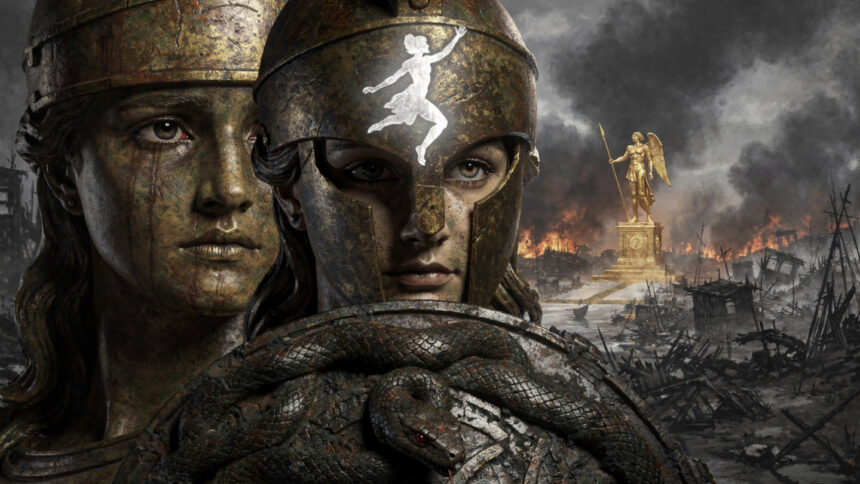
Ceyx sailed during the winter months, ignoring the risks of the season out of duty or in defiance of prophecy. Alcyone understood the sea well enough to know how quickly a calm surface could turn into a lethal surge. The ship was lost. In Greek thought, the sea does not simply drown men through indifferent force. The wreck happened because the safe window had already closed.

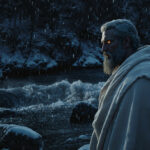
Alcyone waited on the shore, and when the waiting produced no answer she sought the truth rather than comfort. Hera sent a dream to reveal what had actually happened. Ceyx appeared to her soaked in salt and shadow, already dead. Alcyone’s grief did not turn toward anger or the gods’ judgment. She walked into the water after him, and the gods intervened before the water could take her too, changing her form entirely.
Transformation and the Kingfisher
Zeus preserved the pair by altering their bodies. Alcyone and Ceyx became kingfishers, known in Greek as alkyones, a form suited to exactly the coastal water that had destroyed them as human beings.
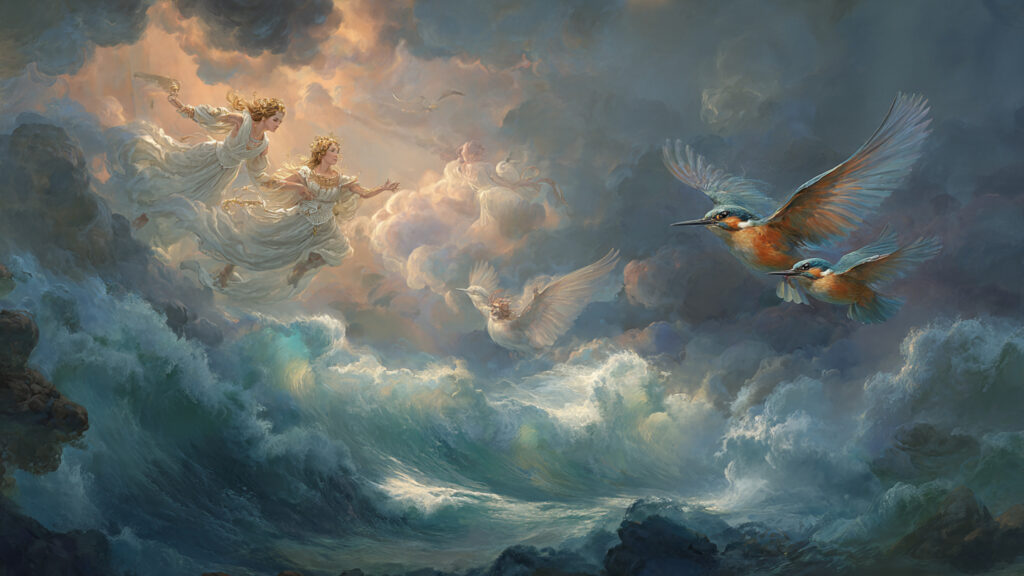
A problem remained. Kingfishers nest close to the water, and Mediterranean winter storms are violent enough to destroy eggs laid at the waterline. Zeus addressed this directly: he had Aeolus still the winds for a set number of days each winter, flattening the sea long enough for the birds to nest safely. This is the myth’s own account of where the Halcyon Days come from. They were never presented as a promise of lasting peace. They were a functional interval, granted for a specific biological purpose and no other.
Aristotle and the Observed Calm
Aristotle wrote that the halcyon sits on its eggs for seven days before the solstice and seven days after, treating the interval as a genuine feature of the Mediterranean winter’s seasonal structure. The kingfisher needs clear water to hunt: high winds stir sediment and cloud the surface, and a bird with the kingfisher’s high metabolism cannot afford many days without successful fishing. If the sea stays rough, it starves. If the nest floods, the eggs are lost. The winter calm is the actual condition that lets the species survive along these coasts at all, and the myth is simply the vessel ancient culture built to carry that observation forward. The biology came first. The story explained it.
The Aegean High and the Winter Pause
The Halcyon Days are produced by a high-pressure system that blocks cold fronts moving down from the Balkans and pushes storm tracks north. The sky clears. Temperatures rise. The Mediterranean atmosphere settles into a genuine, measurable state of suspension.
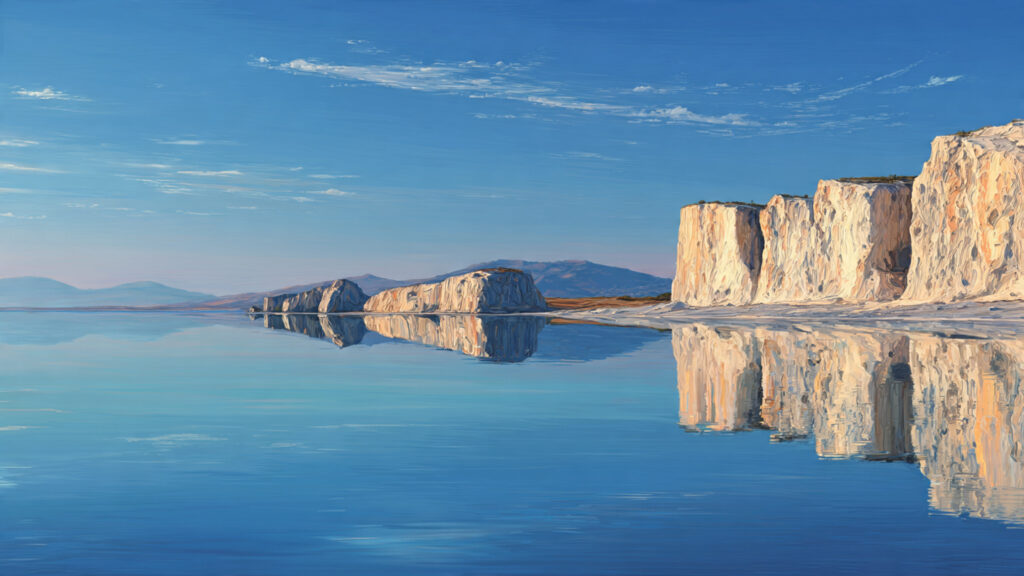
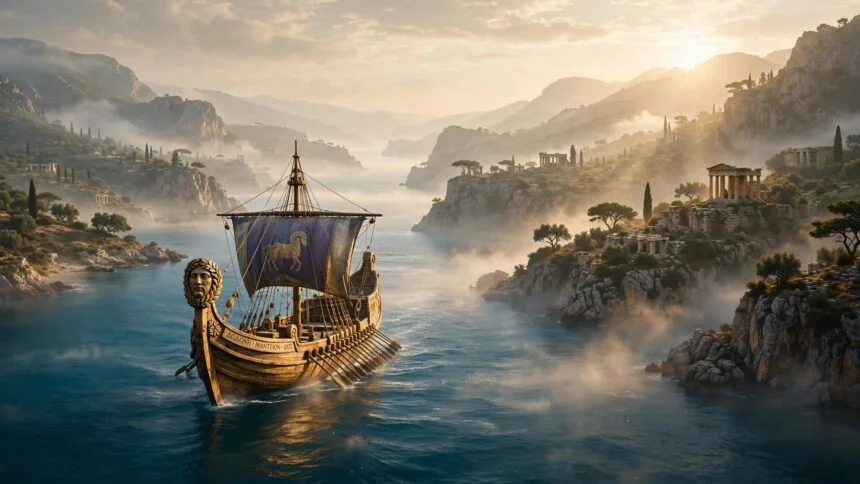
Ancient sailors relied on this window for navigation. Crossing the straits between the Peloponnese and Crete was dangerous in winter, and the Halcyon Days offered a narrow, reliable margin of safety for exactly the crossings that would otherwise have waited for spring. Farmers used the same calm to prune olive trees on schedule. The Greeks did not treat the myth and the practical utility of the weather window as separate things. The story explained why the calm existed. The calm itself was simply useful.
Stars and the Thermal Window
The timing of the calm aligns with the setting of the Pleiades, an astronomical marker the ancient world used to signal the arrival of the winter pause. The high-pressure system that produces the calm also creates a thermal inversion: warm air settles above cold air, waves cannot form, and the sea flattens into something close to a mirror.
This alignment between the stars and the weather reflects the Greek mastery of seasonal time more broadly. The Halcyon Days are one instance among many of a culture that built its working calendar around predictable pauses in an otherwise unpredictable climate, tracking the sky closely enough to know when those pauses were coming.
Coastal Variations and the Presence of the Myth
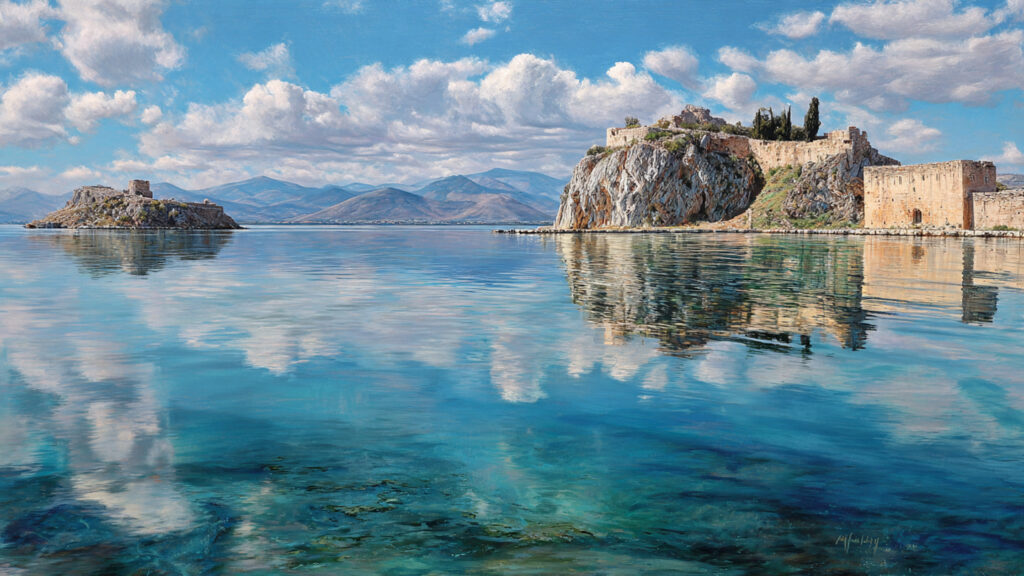
The myth is most vivid along the winter coast. In Trachis, the geography that produced it remains unchanged: mountains descend sharply into the gulf, storms arrive without much warning, and in January the stillness that follows feels less like an old story and more like a direct report on present conditions.
Along the Euboean Gulf, kingfishers appear near the estuaries, small and bright, moving with sudden precision. Locals read them as a sign of the coming calm rather than as a literary symbol. The bird’s arrival still means roughly what it meant when Aristotle first wrote it down.
The Argolic Gulf and the Reflective Sea
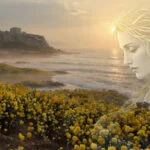
The Peloponnese experiences these days with particular intensity. In the Argolic Gulf, the water turns reflective, and near Nafplio and Monemvasia the flat sea mirrors the limestone of the old fortresses above it. These are not conventional beach days. The water’s stillness and clarity are pronounced enough that the submerged remains of ancient harbor structures become visible from the surface in a way they are not for the rest of the year.
The coastal paths that run above these gulfs are walkable, in these two weeks, without the wind resistance that defines the Greek coast the rest of the winter, and the harbors sit in a quiet that the summer months never produce.
What the Myth Withholds
The myth of Alcyone and Ceyx is notable for what it refuses to resolve. Zeus does not reverse Ceyx’s death. Hera does not erase Alcyone’s grief. Aeolus does not still the winds permanently. The gift the gods actually grant is narrow and temporary: fourteen days, no more. This is a distinctly Greek theological position. It accepts loss as a fixed part of the world’s structure rather than something a sufficiently powerful god simply undoes, and it offers a real, bounded mercy instead of the fiction of permanent safety.
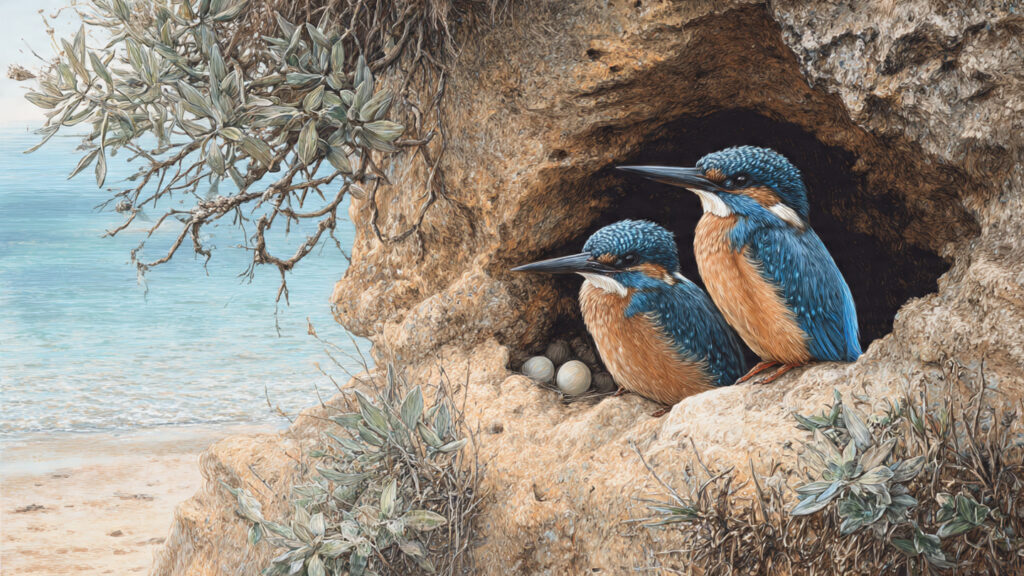
The fourteen days exist for the birds, not for the general comfort of the world. The window is functional and specific: it lasts exactly as long as the nesting requires, and no longer.
Grief and Transformation
Alcyone does not simply vanish from the story after her grief. She becomes something else, a creature built for exactly the environment that had destroyed her as a human being: precise, watchful, capable of surviving on the water that took Ceyx from her. The kingfisher itself, hunting by stillness and sudden strikes, is the myth’s own image for what her transformation produced.
The calm sea is the precondition for the kingfisher’s survival in the most literal sense: without it, the bird cannot hunt and the nest cannot hold. The myth ties this biological fact directly to the emotional one, making the fourteen-day stillness the exact space in which the transformed Alcyone’s life becomes possible again.
The Return of the Wind
There will be a day, every year, when the Aegean stops being smooth. The ferries slow. The wind rises. The Halcyon Days end on schedule, and the myth does not resist this return to motion. It accepts the return of the wind as an instance of the law of flux, the ordinary state of things the fourteen days were always an exception to.

Fourteen days of clarity, granted once a year, for a specific and limited purpose. The myth of Alcyone and Ceyx presents this not as a small mercy but as the only kind of mercy the Greek gods are shown consistently granting: bounded, purposeful, and real for exactly as long as it lasts.
The winds return. The sea rises. The kingfisher moves on, until the solstice comes back around.
At Olympus Estate, Mythic Essays moves through the deeper currents of the Greek tradition. The Halcyon Days are not a poetic invention. They are a predictable meteorological phenomenon recorded for more than two thousand years. Aristotle wrote of a fourteen-day calm centered on the winter solstice, and the kingfisher requires exactly this kind of tranquil coastal water to protect its eggs. The myth of Alcyone and Ceyx explains the calm without erasing the loss that preceded it: Zeus does not reverse the king’s death, Hera does not undo the queen’s grief, and Aeolus stills the winds for fourteen days rather than forever. The gift is temporary, bounded, and real. The winds return. The sea rises. The kingfisher moves on.