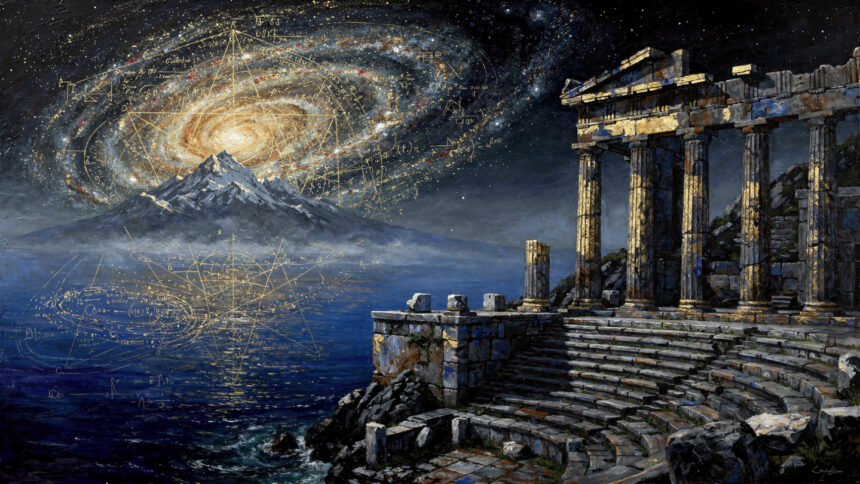






The Peloponnese stands as the definitive node of the 2026 era because it unites ancient ruins, untamed landscapes, and a rare sense of historical isolation. It offers a gritty, high‑intellect alternative to mass tourism — a region where solitude, cultural depth, and ancestral infrastructure converge. Its sparse population and dramatic geography naturally curate an atmosphere of discovery and contemplative mastery.
Why Travelers Are Rejecting Conventional Luxury
Travelers are turning away from commoditized luxury — polished, performative experiences lacking cultural substance. The Peloponnese provides the opposite: an ungentrified alternative where ancient history and raw nature remain intact. Visitors seek journeys that prioritize intellectual engagement, solitude, and authenticity over mainstream opulence.
How Geography Shapes the Region’s Appeal

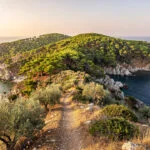
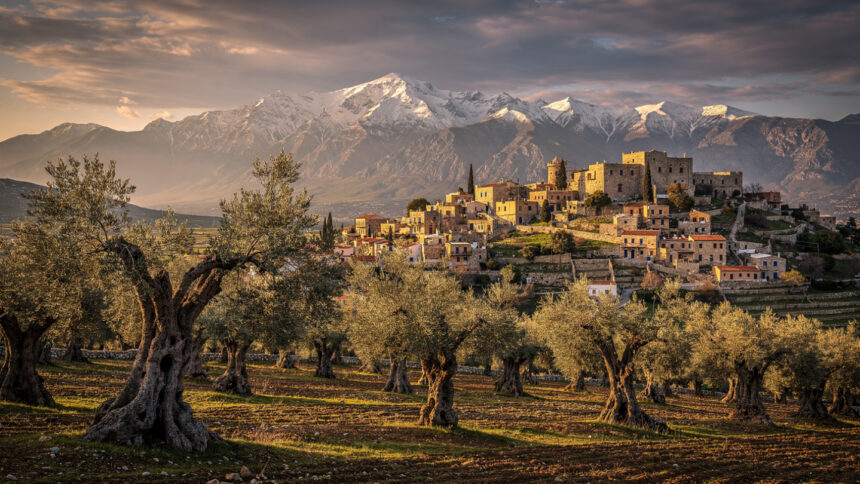
The geography of the Peloponnese — from the Taygetos peaks to the limestone coastlines and the shadowed depths of the Diros Caves — is the foundation of its magnetism. The scale and diversity of its formations create a landscape built for introspection.
Every route becomes a technical expedition, revealing a continuous visual narrative of ancient presence.

Ancient Sites That Preserve Solitude
Unlike the crowded ruins of Athens, the Peloponnese offers archaeological majesty in relative silence:

- Mystras: A UNESCO World Heritage site, a hillside ghost‑city of Byzantine palaces and frescoed churches.
- Olympia: The birthplace of the Olympic Games, echoing with the architecture of human striving.
- Mycenae: The citadel of Agamemnon, radiating Bronze Age power and epic density.
Together, these sites form a triad of solitude — Byzantine stillness, athletic memory, and Bronze Age authority — each offering a distinct dimension of the region’s contemplative power.

How Local Culture Deepens the Experience
Local culture enhances the journey through unmediated interactions. Residents maintain strong ties to agricultural traditions, artisan crafts, and seasonal rhythms.

Guests are welcomed as temporary participants in festivals, meals, and daily life. This sense of belonging transforms travel into cultural exchange.



The Accommodation Pantheon
The region offers properties that prioritize privacy, landscape integration, and architectural authenticity:
Boutique guesthouses in restored historical structures.
Stone villas in secluded mountain villages.
Beachfront estates along the Messinian Gulf.
These properties embody the region’s contemplative ethos.

Culinary Identity and Authenticity
The Peloponnese is a farm‑to‑table culture that predates the trend. Fertile soil produces Kalamata olives, wild herbs, citrus, and seafood of exceptional quality.

Local tavernas serve recipes preserved across generations. Every meal becomes an expression of land, season, and heritage.
Outdoor Activities That Define the Region

The Peloponnese supports active engagement with nature:
Rock climbing in Leonidio.

The Peloponnese Trail, a 1,700‑kilometer network linking peaks and coasts.
Sea kayaking through hidden coves and dramatic cliffs.
These activities reinforce the region’s spirit of exploration.
Slow Travel in Its Purest Form
Slow Travel finds its fullest expression here. Time expands. Conversations lengthen. Journeys unfold without urgency.

Travelers linger in tavernas, wander through ruins, and explore without a checklist. The Peloponnese encourages immersion rather than consumption.
Logistical Considerations for the Independent Traveler
Kalamata International Airport (KLX) bypasses Athens congestion.
A reliable 4×4 vehicle is essential for mountain roads and remote sites.
Discreet properties should be booked early for peak seasons.
Encrypted digital tools help maintain privacy and solitude.
Terrain shifts sharply between coastal roads, mountain passes, and remote villages, making route planning essential for maintaining autonomy and avoiding unnecessary backtracking.

Infrastructure Shifts and Regional Autonomy
The Kalamata–Pylos–Methoni road axis, a €312 million project, is the defining infrastructure shift of 2026.

By extending the Moreas Motorway, it reduces transit times and increases safety across the southwestern Peloponnese.

This enhances regional autonomy while preserving the outlands aesthetic.

Why the Peloponnese Trail Is Foundational
The 1,700‑kilometer Peloponnese Trail, completed in 2026, reconnects abandoned mule paths with ancient monuments.

It protects the region’s raw appeal from the environmental debt of conventional luxury development and positions the Peloponnese as Europe’s premier nature‑based wellness destination.

Why Peloponnese Property Is a Stable Asset
Peloponnese real estate offers long‑term stability due to undervalued properties, cultural continuity, and increasing demand for secluded, heritage‑rich accommodations. These assets hold intrinsic value rooted in history, landscape, and authenticity — a counterweight to volatile global markets.