





Greece enters 2026 with a recalibrated understanding of residency, investment, and the relationship between newcomers and the Greek landscape. The reform of the Golden Visa program is more than a legal update. It reflects a country reshaping the threshold through which people step into its civic and cultural space.
Inside the Ministry of Migration and Asylum in Athens, the shift is visible. Digital scanners replace the slow rhythm of paper files. The marble floors remain cool, anchoring the transformation in the material reality of the Greek state. Thousands of applications move through a system that is finally shedding its inherited delays. Outside, the Saronic Gulf mirrors a city adjusting its economic and administrative skin.

This reform is not simply a policy change. It is a re‑articulation of how Greece welcomes those who choose to root part of their lives here.
I. A New Beginning for the Residency Clock
For years, the five‑year residency period began the moment an application was submitted. In a system where processing could take more than a year, residents received a permit already diminished by time.
The 2026 reform corrects this imbalance. The five‑year period now begins on the date the permit is issued.
This restores a sense of fairness and coherence. Residency begins when the state formally recognizes the individual, not during the waiting period.
The change arrives alongside a broader administrative overhaul. With nearly 50,000 pending cases in mid‑2025, Greece abandoned the old geography‑bound workflow. Files now move to whichever regional office has capacity. An application tied to a property in Athens may be processed in the Peloponnese. The goal is simple: a system that functions at the pace of a modern state.
II. Elevate Greece and the Emergence of the Startup Path
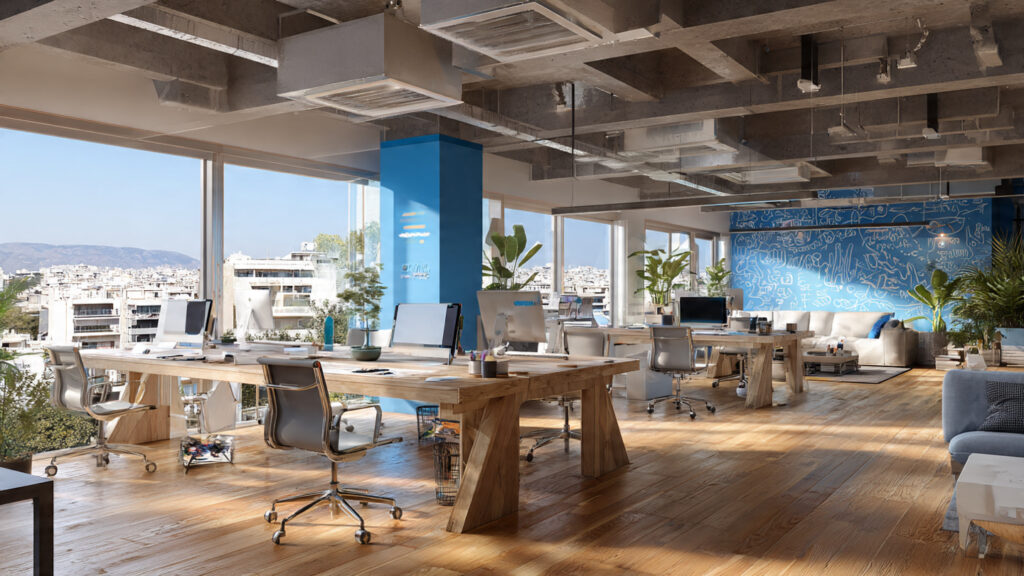
Greece is no longer content to be a destination for passive real estate investment. The integration of Elevate Greece into the Golden Visa framework marks a deliberate turn toward innovation and productive capital.
A €250,000 investment into a registered startup now qualifies an applicant for residency. This path carries clear obligations:
- Creation of two new jobs within the first twelve months
- A maximum 33% ownership stake
- Annual verification of activity and compliance
This is a residency route built on participation rather than speculation. It aligns with the country’s growing technology ecosystem, which expanded by 12% in 2025, particularly in fields such as artificial intelligence, green energy, and maritime innovation.
Greece invites investors who wish to contribute to the country’s forward momentum.
III. The Zonal Map of Real Estate Investment

The 2026 reform solidifies a tiered real estate system designed to protect local housing markets while guiding investment toward regions that benefit from it.
€800,000 Tier
Athens, Thessaloniki, Mykonos, Santorini, and islands with more than 3,100 residents.
€400,000 Tier
Most of the mainland and smaller islands.
€250,000 Heritage & Regeneration Tier
Reserved for:
- Conversions of commercial buildings into residences
- Restoration of historic or neoclassical structures
The lower threshold applies only when the conversion or restoration is fully completed before the application is submitted. This ensures that heritage buildings are genuinely revived, not left in limbo.
The zonal system redistributes investment across the country, easing pressure on saturated urban centers and supporting regional development.
IV. The End of Short‑Term Rentals for Golden Visa Properties
One of the most significant changes is the prohibition of short‑term rentals. Properties acquired through the Golden Visa program may no longer be listed on platforms such as Airbnb.
They must serve as:
- Long‑term rentals, or
- Personal residences
Violations carry a €50,000 fine and may lead to permit revocation.
This measure responds to the housing pressures in central Athens and encourages a more stable form of investment. Long‑term rental yields—typically 4% to 5% in areas like Glyfada and Piraeus—become the new reference point. The market shifts toward family‑sized homes and energy‑efficient construction, aligning with Greece’s broader social priorities.
V. Residency, Citizenship, and the Path of Integration

The reform clarifies residency rights but does not alter the deeper requirements for citizenship.
- Permanent residency requires five years of legal stay.
- Citizenship requires seven years of actual residence in Greece.
- Applicants must pass a B1 Greek language exam and demonstrate cultural integration.
Greece offers residency as a stable foundation. Citizenship remains a separate journey, rooted in presence and participation.
VI. Renewal in a Digital System
Renewals are now fully digital. Applicants must provide:
- Proof that the investment remains active
- Clean title deeds or audited startup records
- Evidence of tax compliance
Automated reminders ensure timely submissions. Fees remain €2,000 for the main applicant, with additional charges for family members.
The system becomes more predictable, more transparent, and more aligned with contemporary administrative standards.
VII. A Forward‑Looking Framework
While several European countries have withdrawn from residency‑by‑investment programs, Greece has chosen refinement over retreat. The 2026 reform emphasizes clarity, fairness, and alignment with national interests.
Future adjustments may support green shipping, sustainable agriculture, or maritime technology. The framework is designed to evolve with the country’s priorities.
The correction of the residency clock is emblematic of the broader shift: a system that respects the time and commitment of those who choose Greece.
VIII. Closing Reflection
The Golden Visa of 2026 is a more mature, intentional instrument. It reflects a Greece that is modernizing without losing its character, digitizing without erasing its texture, and welcoming without compromising its social fabric.
Residency becomes not only a legal status, but a relationship with a landscape, a culture, and a future.