



Greece’s Otherworldly Beaches: Where Myth and Geology Collide
When the mind wanders to the beaches of Greece, it’s easy to conjure up a postcard-perfect image: turquoise waters, soft golden sands, and the gentle lapping of waves against a sun-drenched shore. But hidden along the country’s extensive coastline and tucked away on its countless islands are stretches of sand and stone that seem to belong to another planet entirely—places sculpted by fire, myth, and an almost divine sense of artistry.
From the ethereal, moonlike cliffs of Milos to the jagged, fjord-like inlets of Crete, these are not just breathtaking places; they are sacred, strange, and utterly unforgettable. Here, the raw power of the earth is on full display, and every grain of sand and smooth-worn stone tells a story of gods, titans, and relentless natural forces.
Sarakiniko Beach, Milos – The Marble Moon of the Aegean
The Moon on Earth
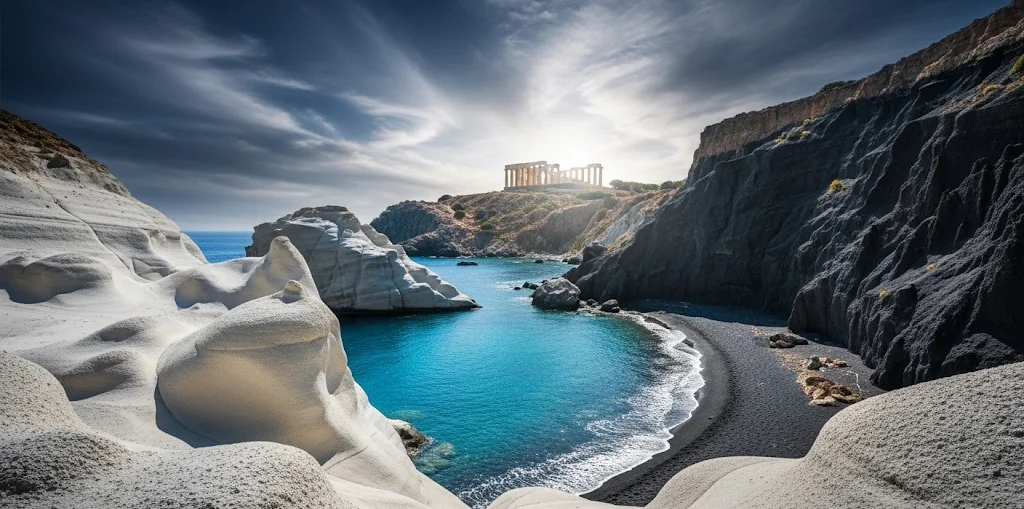
On the stunning volcanic island of Milos, you’ll find what is arguably the most surreal stretch of coastline in all of Greece—and perhaps the world. Sarakiniko Beach is a landscape so foreign it’s often described as lunar. Here, millennia of wind and waves have sculpted brilliant white volcanic rock into a bizarre, undulating terrain that looks like frozen waves or melting, otherworldly sculptures. The dazzling whiteness of the landscape, stark against the deep blue Aegean, creates a powerful sense of unreality. It’s a photographer’s dream, a canvas of abstract beauty where light and shadow play in fascinating ways.

Nestled within this pale expanse, the emerald sea gathers in perfect, tranquil stillness, forming natural pools and hidden caves. It’s a place where you can feel the quiet, immense power of geological forces, and where the sun’s glare can transform the landscape into a blinding vision of pure white.
Mythical Echoes and Pirate Legends
The history of this unique beach is as captivating as its appearance. Named after the Saracen pirates who once used its numerous caves to hide treasure and seek refuge, the beach still carries a faint whiff of adventure and danger. Legend also intertwines the coast with the gods. Milos was a place sacred to Aphrodite, and some say these luminous shores are kissed with her divine light, a testament to her birth from sea foam. Others whisper that the trickster Hermes used these otherworldly white paths to move undetected between the mortal world and the sea.
Travel Tips
- To truly appreciate the ethereal landscape and avoid the intense midday glare, visit Sarakiniko at sunrise or sunset.
- This is a truly wild beach with no facilities, so be sure to bring plenty of water, snacks, and sun protection.
- While in the area, don’t miss the nearby Papafragas cave, another surreal gorge carved by the relentless sea.
Seitan Limania, Crete – The Marble Fjord of the Gods
Where Lightning Carved the Earth
Tucked away on Crete’s Akrotiri peninsula, you’ll discover an unmissable geological wonder: Seitan Limania. This narrow, zigzagging inlet looks less like a Mediterranean beach and more like a dramatic Norwegian fjord. Its name, “Seitan,” comes from the Turkish word for “devil,” a nod to the dangerous waves and twisting currents that make this a spot for only the most confident of swimmers. The cliffs of glittering marble plunge into water so impossibly blue it seems to glow from within, creating a wild, fierce energy that is uniquely Greek.

Accessing this hidden gem is an adventure in itself, requiring a steep and rugged descent that only adds to its untamed mystique. But the reward is a truly unique, breathtaking sight that feels almost supernatural.


A Beach of Titans and Tempests
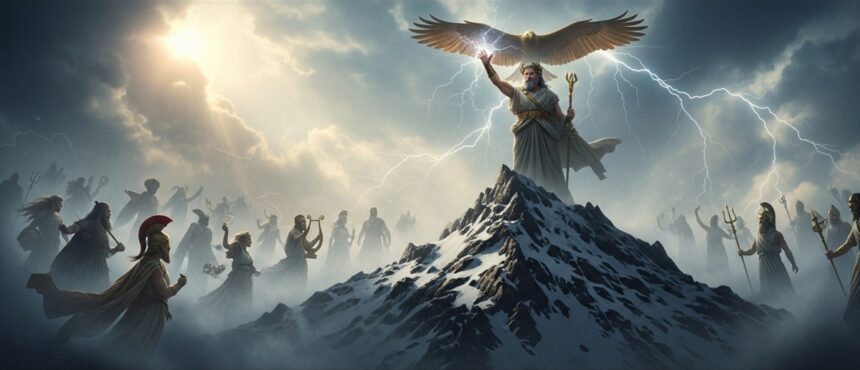
Local lore says this chasm was not carved by the sea, but by the furious hand of the gods. Legend holds that a thunderbolt from Zeus himself, hurled during his great battle against the old Cretan Titans, split the earth open to create this incredible inlet. Other myths suggest that Pan, the goat-footed god, still roams the jagged ridges above, his wild flute echoing in the wind as he chases the playful dryads of the forest. The marble that lines the beach has natural veining, a geological feature that gives the powerful impression of colossal Greek columns shattered and scattered into the sea.
Travel Tips
- The path down to Seitan Limania is extremely steep and rugged. Wear sturdy shoes and be prepared for a challenging but rewarding hike.
- The currents can be strong, so this is a spot best enjoyed by experienced, confident swimmers.
- Consider extending your trip to visit the monasteries and old goat paths nearby, adding a spiritual and exploratory element to your day.
Vlychada Beach, Santorini – The Volcanic Cathedral
Sculpted by Ash and Wind
Moving from the lunar whites of Milos and the cool marble of Crete, we arrive at Vlychada Beach on the island of Santorini, a place defined by texture and dramatic shadow. Here, towering cliffs of pumice and volcanic ash—the remains of ancient, catastrophic eruptions—loom over a shore of stark black sand. The wind has tirelessly worked at these cliffs, shaping them into a natural cathedral of otherworldly beauty. The feeling is like stepping into the fiery lair of a primeval god, a place where the earth’s raw, destructive power is frozen in time.

Santorini’s Fiery Past and Divine Origins
For centuries, many have speculated that Santorini is the lost city of Atlantis, and its dramatic beaches are a vivid testament to its cataclysmic, mythical past. Vlychada is often linked to the god of fire and the forge, Hephaestus, whose workshop was said to have been built deep beneath the very volcano that formed the island. Other tales associate the beach’s cratered, scorched cliffs with the thundering chariots of Helios, the sun god, whose divine vehicles were said to have passed too close to the mortal shores, leaving their mark for all time.
Travel Tips
- Vlychada Beach is partially organized, offering a perfect blend of quiet zones and a welcoming beach bar.
- The dramatic cliffs and dark sand make this beach excellent for photography, especially during the golden hour before sunset when the light softens and enhances the textures.
- For a unique cultural experience, visit the nearby Tomato Industrial Museum—a fascinating look into the island’s past that makes for a great post-swim stop.
Aliko Beach, Naxos – The Sand Dunes of Dionysus
Desert Meets Sea
Aliko Beach on the island of Naxos is an entire, vibrant ecosystem. It’s a place that feels like a world between worlds, with a beautiful cedar forest and undulating sand dunes that meet the sea. The sand here is unusually soft, fine, and seems to shimmer, dotted with wild herbs and fragrant brush that lend the air a mystical aroma. The coastline is a living entity, subtly changing its shape with each season, giving every visit a unique and unforgettable feel.

Dionysian Dreams and Desert Mysticism
Naxos was once a place of deep reverence for Dionysus, the god of ecstasy and transformation. His wild, free-spirited energy seems to linger in the shifting sands and gentle breezes of Aliko. This is a place where it is easy to lose track of time, to feel the weight of the past fall away, and to re-emerge feeling sun-drenched, renewed, and spiritually touched. The area is also famous for a ruined, abandoned hotel nearby, its stark concrete walls now adorned with incredible street art murals that lend a strange, postmodern mythology to the area.
Travel Tips
- Aliko is remote and unorganized, so come prepared with your own food, water, and supplies.
- The easiest way to get to this beautiful spot is by car or scooter.
- This beach is perfect for nature photography, long walks, and quiet moments of introspection away from the crowds.
Giola Lagoon, Thassos – The Eye of the Gods
Nature’s Infinity Pool
On the northern island of Thassos, you will find Giola, a mesmerizing natural rock pool carved out of the coastline, separated from the wild Aegean by a thin, stone wall. Known to locals as the “Eye of Zeus,” legend says the god created this beautiful, secluded pool so he could swim in private. The water is a stunning shade of emerald, which shifts as the sunlight dances across the rock walls, and it’s noticeably warmer than the open sea.

A Quiet Shrine of Rebirth
Unlike the loud, bustling beaches that attract throngs of tourists, Giola is a serene and almost reverent place. To step into its cool, calming waters is to feel a sense of mythical rebirth—a chance to cleanse the spirit in a secluded, divine womb. It’s a place for quiet reflection, meditation, and connecting with the deep, spiritual energy of the earth and sea.
Travel Tips
- Accessing Giola requires a moderate hike, so be sure to wear comfortable and sturdy shoes.
- Arrive early in the day to beat the crowds and enjoy this sacred space in a moment of tranquil solitude.
- The pool is ideal for a peaceful swim, but its beauty also makes it a perfect spot for meditation and a moment of natural healing.
Greece’s Elemental Altar of Beauty
The beaches of Greece offer more than just an idyllic backdrop for a vacation photo; they are ritual landscapes, shaped by gods, fire, and the powerful, patient hand of the sea. From the mesmerizing moonscapes of Milos to the volcanic shadows of Santorini, each beach holds a unique story of divine presence and the raw, untamed power of the earth. Whether you’re chasing a myth, a moment of profound awe, or simply a new kind of beauty, these surreal shores will whisper forgotten truths that no guidebook can ever hope to contain.
Step barefoot into the story. The gods are still watching.