


The journey begins where the fires of Troy have finally begun to cool into grey ash and the salt wind of the Aegean carries the scent of cedar and pine across the broken battlements. To understand the story of Odysseus, one must first understand the weight of the sea that stretches between the ruins of the east and the rugged, limestone peaks of the Ionian Sea where home resides. This landscape is a physical participant in the trial of the human spirit, offering both the nourishment of the olive and the crushing indifference of the storm.
The man who departs from the Trojan shore is not the same man who will eventually touch the soil of his island, for the intervening years are a process of erosion that strips away the pride of the warrior and leaves only the core of the individual. Every wave that breaks against the wooden hull of the ship is a reminder that the world is governed by forces far older than the ambitions of kings and the decrees of cities.
The Trials of the Cunning Mind
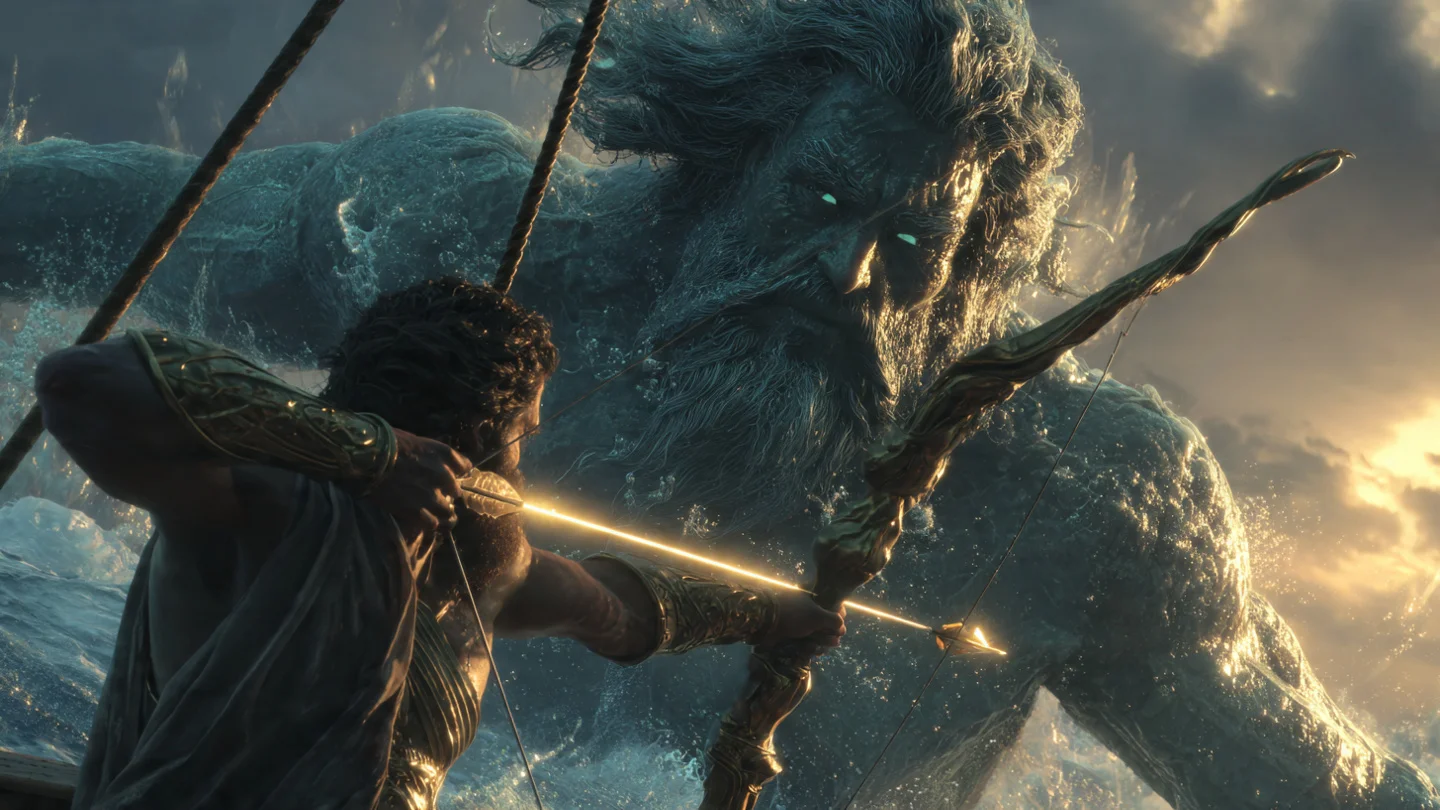
The encounter with the Cyclops in the deep, crystalline caves of the coast represents the first major test of the intellect against the primal forces of the earth. The cave of Polyphemus is a space defined by the smell of unwashed fleece and the heavy, mineral dampness of the mountain, where the laws of hospitality are discarded in favor of brute hunger. When Odysseus offers the wine and the name of Nobody, he is engaging in a ritual of deception that serves as a necessary tool for survival in a world that does not always respect the status of the hero. The blinding of the giant is a visceral act of desperation, and the blood that spills onto the stone is a physical price paid for the hubris of entering a sanctuary that was never meant for human feet. The subsequent curse from Poseidon ensures that the path home will be a long and winding one, dictated by the rhythm of the tides and the anger of the deep waters.
The island of the Lotus Eaters presents a different kind of danger, where the threat is not the loss of life but the loss of memory and the dissolution of the self. The flowers bloom in a landscape of perpetual afternoon, where the air is thick with a sweet, floral narcotic that lulls the mind into a state of blissful stagnation. To eat of the lotus is to forget the rocky slopes of Ithaca and the faces of those who wait by the hearth, effectively ending the journey before the destination is even reached. The resistance shown by the leader as he drags his men back to the ships is an act of profound will, proving that the memory of one’s origin is the only anchor strong enough to hold against the current of oblivion. This struggle between the ease of the dream and the hardship of the reality is the central tension of the Homeric experience.
In the palace of Circe, the transformation of the crew into beasts serves as a reminder of the fragility of the human form when confronted with the power of the divine. The sorceress moves through a space of mirrors and shifting shadows, using her knowledge of the earth’s herbs to strip away the reason of the men. It is only through the intervention of the sacred herb and the steady hand of the hero that the metamorphosis is reversed and the path to the Underworld is revealed. This descent into the realm of the dead is a mandatory rite of passage, for no man can truly return to his life until he has stood in the presence of his ancestors and heard the prophecies of the blind seer. The air in the house of Hades is cold and carries no scent, representing the total absence of the living world that the traveler seeks to regain.
The Navigation of Temptation and Terror
The passage between Scylla and Charybdis remains the ultimate physical metaphor for the impossible choices required by the life of a wanderer. On one side, the multi-headed monster snatches the living from the deck with a mechanical efficiency, while on the other, the whirlpool threatens to consume the entire vessel in a violent, revolving abyss. There is no path that does not involve sacrifice, and the leader must watch as his companions are lost to the brine while he remains focused on the distant horizon. This sequence is defined by the sound of crashing water and the spray of salt that stings the eyes, creating a sensory environment where every second is a struggle for breath. The proximity of death is so constant that it becomes a background frequency, a low hum that accompanies every pull of the oar through the dark water.
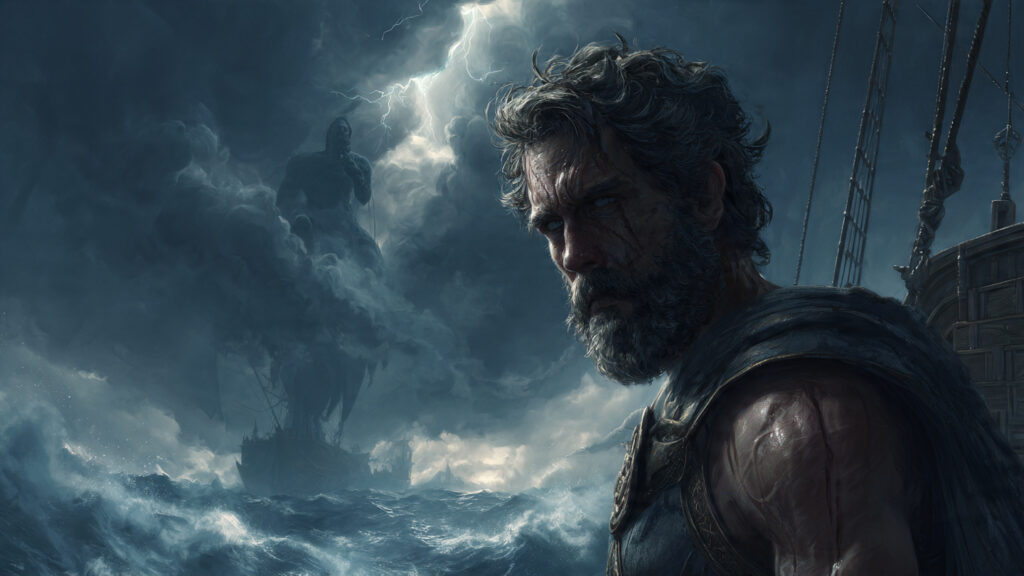
The songs of the Sirens offer a temptation that is both beautiful and lethal, visible as a distortion in the very air around the jagged rocks of the coast. By tying himself to the mast, the captain allows himself to hear the forbidden music without being consumed by it, a technical solution to a psychological trap. The crew, with their ears sealed by wax, row forward in a silence that is as heavy as the sea itself, while their leader writhing in the ropes represents the human desire to know the unknowable. This moment of tension between the pull of the song and the restraint of the wood is a testament to the discipline required to maintain one’s course toward Greek Heritage and the stability of the home. The islands of the sea are filled with such traps, each one designed to test a different facet of the human character.
The long years spent on the island of Calypso are a period of luxury that serves as a different kind of prison, where the beauty of the nymph and the lushness of the vegetation cannot replace the sight of a single olive tree on a dry hillside. The hero sits by the shore every day, gazing out at the Ionian Sea and weeping for the smoke rising from his own chimneys. This interlude explores the nature of longing and the realization that a paradise that is not one’s own is merely a beautiful void. The eventual departure on a hand-built raft is an act of supreme courage, as the traveler chooses the danger of the open water and the wrath of the gods over the comfort of an immortal cage. The return is not a matter of speed but of the persistent movement toward the center of one’s own history.


The Interpretation of the Final Return
When the wanderer finally reaches the shores of his island, he does not enter as a conqueror but as a beggar, cloaked in rags and hidden by the mist. This return to Ithaca is a process of reclamation that requires as much cunning as the escape from the cave of the giant. The palace is overrun by those who have forgotten the laws of the land and seek to consume the wealth of the house without respect for the master. The bow of Odysseus, which only he can string, serves as the final instrument of justice, a physical object that verifies the identity of the king through the demonstration of strength and skill. The slaughter in the hall is a violent purification that restores the order of the home and the sanctity of the marriage bed.
The recognition by Penelope is not immediate, for she has learned the same lessons of caution and endurance that her husband practiced on the sea. The testing of the secret of the bed, built into the living roots of an olive tree, is the final trial of the saga. This bed is the anchor of the entire story, a fixed point in a world of shifting tides and changing faces. It represents the connection between the human family and the ancient soil of Greece, a bond that cannot be broken by time or distance. The reunion of the family is the closure of a cycle that began in the fires of the east and ends in the quiet of a blooming garden under the stars of Mount Olympus.

The story of the wanderer is the story of the preservation of the self against the forces of dissolution. It teaches that the journey is a necessary process of refinement and that the destination is only valuable because of the cost required to reach it. The character of the hero is defined by his ability to adapt to every circumstance while never losing sight of the goal. He is the master of the threshold, the one who can move between the world of men and the world of the divine and still return to the simple reality of the earth. The legacy of this journey is the foundation of a culture that values the intellect, the endurance, and the return to the root.
Modern Reflection
Standing today on the cliffs of the Peloponnese or looking out from the harbor of a small island, the sea remains the same deep blue that the ancient traveler witnessed. The movement of the water against the limestone and the way the light catches the white sails of a passing boat are experiences that transcend the centuries. One does not need to believe in giants or sorceresses to feel the pull of the horizon or the comfort of the return. The landscape itself preserves the memory of the journey, and the sound of the waves is the same rhythm that guided the oars of the past. To watch the sunset over the water is to participate in a ritual that has remained unchanged since the first stones were laid in the city of the king.
The air remains thin and clear, and the scent of the wild thyme still fills the hillsides of the interior. The people of the islands continue to live by the same seasons and the same laws of hospitality that were established in the time of the heroes. The story of the return is told in the quiet of the evening and in the persistent strength of the family. The wanderer is not a distant figure but a reflection of the enduring spirit of the land. The journey continues in every individual who seeks to find their way home through the storms of life.
Watch the full video here: