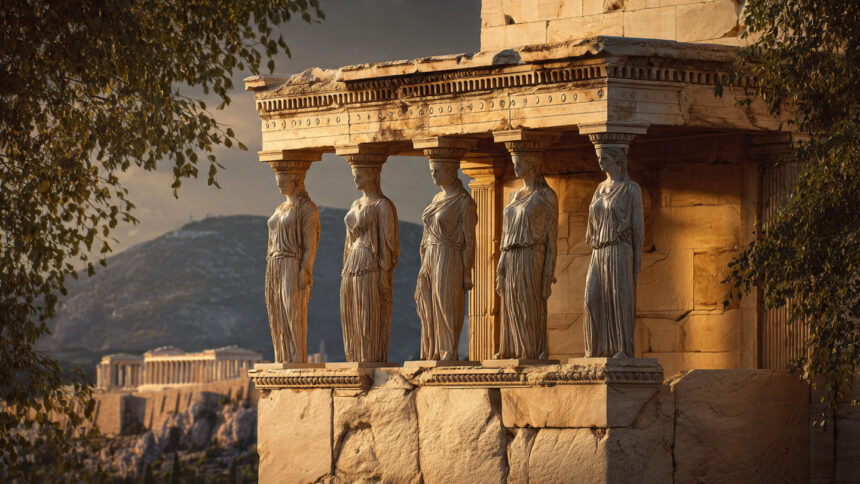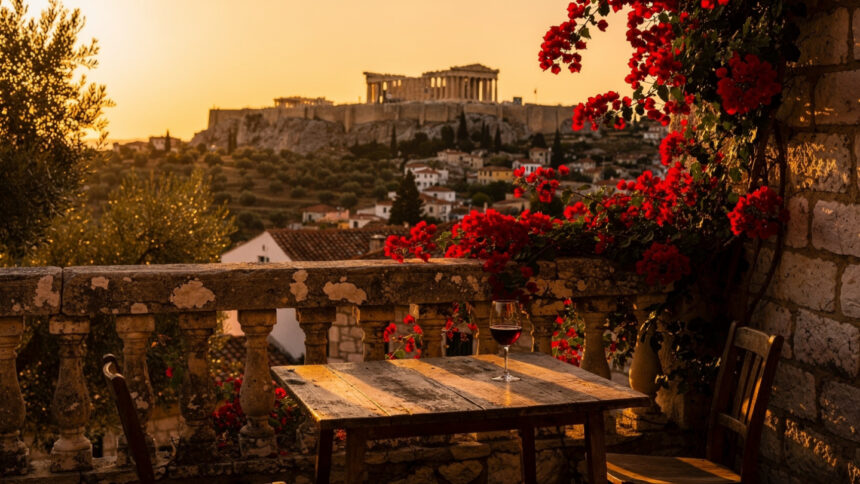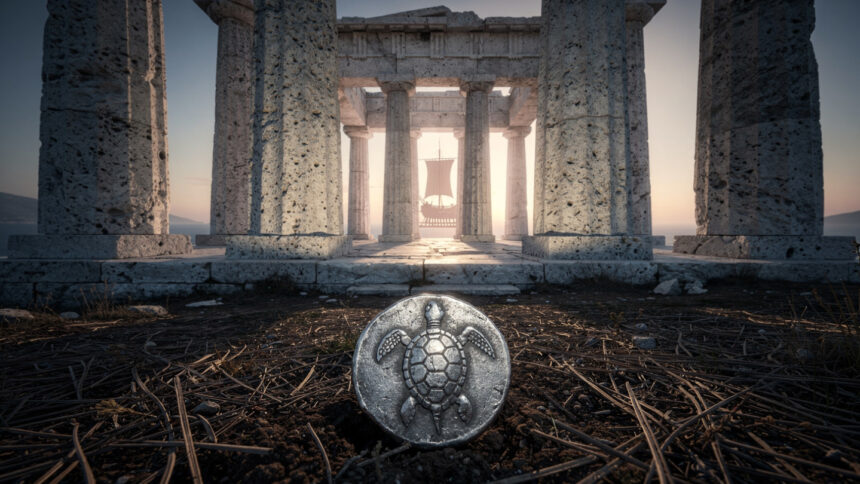
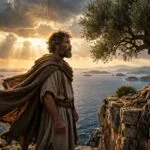





Winter never belonged quietly to Greece. Even now, when the sea darkens and the hills above Delphi hold a brittle stillness, the season feels watched. In antiquity, winter was not simply endured. It was interpreted. Snow was not weather alone. Frost was not merely cold. Storms arrived carrying voices. The ancient Greeks lived inside a world where nature spoke in signs, and winter spoke most clearly of all.
Before calendars hardened time into numbers, the Greek year was felt through soil, wind, and sky. Seasons were not neutral. They were active presences shaped by gods, spirits, and ancestral memory. Winter belonged to the moments when the human world slowed and the divine world leaned closer. It was the season of omens, prophecy, and restraint. To misread winter was dangerous. To ignore it was arrogance.
Winter as a Sacred Interval
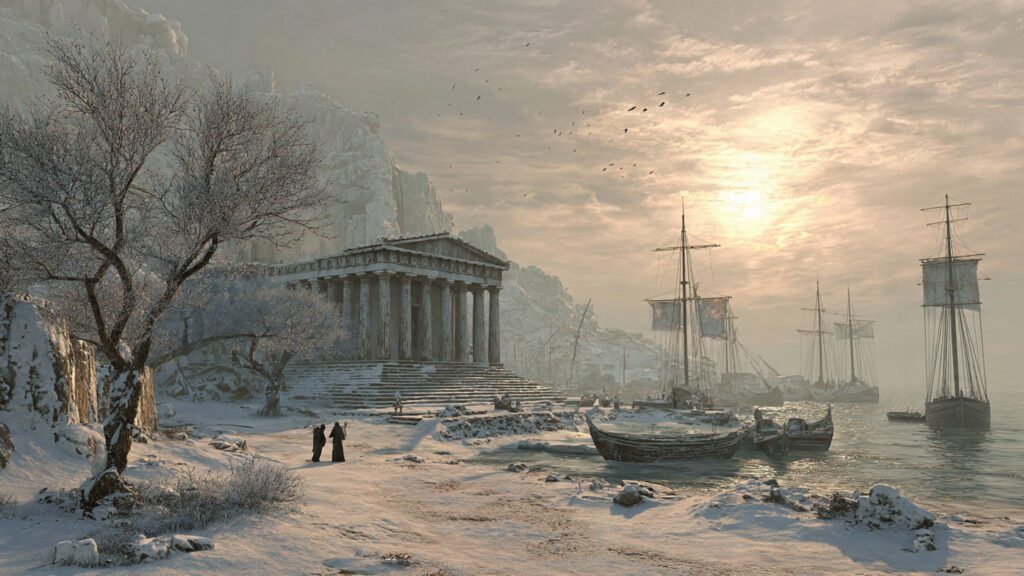
The ancient Greek understanding of winter did not treat it as an absence of life. It was a threshold. Farmers rested their fields not out of laziness but respect. Sailors stayed ashore because the sea belonged to other powers then. Cities adjusted their rhythms. Sanctuaries closed or quieted. Even the gods withdrew or transformed.
This withdrawal shaped belief. Winter became a time when the future pressed against the present. Decisions were postponed. Dreams were observed closely. Unexpected events carried weight. When snow fell in places where snow was rare, it unsettled entire regions. When frost lingered too long on olive groves, priests were consulted. The land was speaking. Someone needed to listen.
The Greeks did not believe nature was chaotic. Chaos belonged to what had existed before the gods arranged the cosmos. Weather followed intention. Storms followed will. Winter followed purpose.
Zeus the Storm Bearer and the Weight of Thunder

At the center of winter weather stood Zeus, not the serene ruler of Olympus carved in marble, but the living god of cloud, thunder, and command. Zeus was the one who gathered storms over mountain ridges and split the sky with sound. Winter storms were not accidents. They were declarations.
Thunder during winter carried different meaning than summer thunder. It was heavier. Less playful. Priests trained in divination listened for its direction and timing. A storm arriving from the north spoke differently than one driven from the west. Lightning striking barren ground could signal correction or warning. Lightning striking near a sanctuary suggested the god’s direct attention.
On Mount Olympus itself, storms were feared and revered. Shepherds in Pieria passed down stories of thunder echoing from unseen heights long after the clouds had cleared. Even today, winter storms there feel ancient, layered with memory.
Zeus in winter was not generous rain Zeus. He was Zeus the judge.
Boreas and the Voice of the North Wind

Winter also belonged to Boreas, the north wind, whose breath carried ice from Thrace and Scythia down into Greece. Boreas was not an abstract wind. He was a being with desires, anger, and history. He had taken a wife by force, Oreithyia of Athens, and Athenians believed this gave them special relationship to him.
When Boreas arrived early or lingered too long, it was read as displeasure. Ships remained docked. Grain shipments were delayed. Entire cities adjusted their expectations. Wind was a message. Boreas could protect Athens from enemies by wrecking invading fleets, but he could also starve it.
In winter, the north wind was watched carefully. Its sudden silence after weeks of force was sometimes read as worse than its fury. Stillness could mean gathering change.
Snow as a Rare and Dangerous Sign

Snow was uncommon in much of ancient Greece. When it fell, it was never ignored. Snow on coastal plains or islands caused unease. Snow in Attica or the Peloponnese provoked ritual response.
Ancient sources describe snow as a covering, a veiling. It concealed rather than destroyed. Snow was associated with pause and concealment. Fields under snow were believed to be protected, but only if the snow melted at the right time. Snow that remained too long was feared.
In myth, excessive snow was linked to imbalance. It suggested a world temporarily tipped away from harmony. Priests interpreted snowfall alongside other signs. Animal behavior. Unseasonal silence of birds. Changes in dreams reported by citizens.
Snow was cold, but it was also quiet. That quiet carried meaning.
Frost and the Fate of the Olive
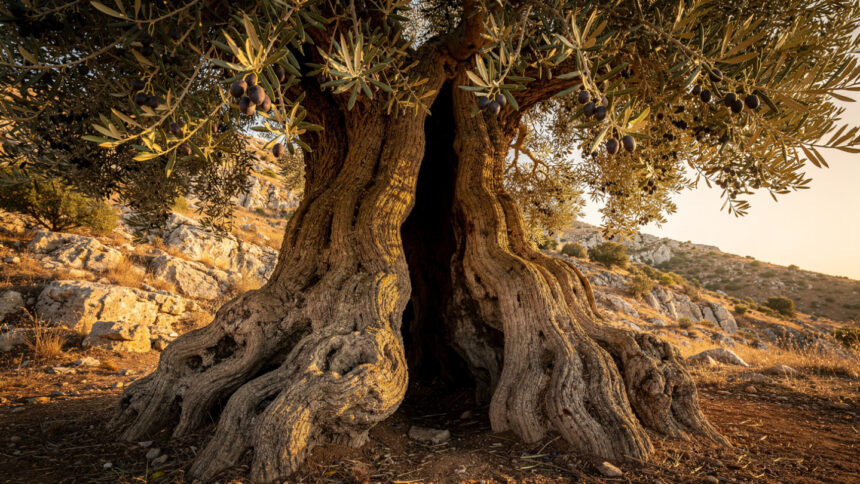
No winter omen struck deeper fear than frost on olive trees. The olive was not merely a crop. It was sacred. Gift of Athena. Marker of civilization itself. When frost blackened leaves or cracked branches, it was read as warning to the city, not just the farmer.
Athens recorded public concern during severe winters when olives failed. Offerings were made. The health of the olive reflected the health of the polis. A wounded tree meant wounded order.
Frost creeping in from the mountains toward cultivated land felt like an invasion. It was watched day by day. Families gathered around hearths listening to elders recall winters past, measuring the present against memory.
Oracles and the Season of Silence

Winter altered the voices of the gods. Some oracles fell silent. Delphi, most famously, was believed to enter a dormant phase when Apollo departed for the north, leaving the sanctuary to Dionysus. This absence mattered. Without Apollo, prophecy changed texture.
During winter, prophecy turned inward. Dreams gained importance. Household divination replaced public oracles. People paid attention to personal signs rather than communal proclamations.
The Pythia herself was said to cease her prophetic role during the coldest months. The earth was too still. The god too distant. Silence was itself a message.
Dionysus and the Unsettling Winter Joy

While Apollo withdrew, Dionysus became more present. Winter festivals honoring him took on darker tones. Wine was thicker. Music rougher. Masks more unsettling. Dionysus was not the god of summer abundance here. He was the god who crossed boundaries, including the boundary between life and death.
Winter rites for Dionysus acknowledged the instability of the season. They allowed controlled release of fear and tension. Storms and cold were mirrored in ritual madness. This was not escape. It was alignment.
The god who died and returned understood winter better than most.
Dreams, Death, and the Thinness of the World
Ancient Greeks believed winter thinned the boundary between worlds. Dreams during winter carried weight. The dead were thought to wander closer. Offerings at tombs increased. Ancestors were remembered more frequently.
Cold preserved bodies. Snow covered graves. Death lingered visibly in the landscape. Winter did not hide mortality. It displayed it.
Because of this, unusual dreams during winter were often reported to seers. Repeated dreams. Dreams involving water, falling, or silence. Dreams of lost relatives speaking clearly.
Not all dreams were warnings. Some were guidance. Winter asked questions rather than giving answers.
Rural Signs and Animal Prophecy
Farmers and shepherds watched animals closely. Birds migrating early or late. Goats refusing to leave shelter. Wolves approaching villages. These were not random behaviors. They were interpreted through generations of observation.
In Arcadia, sudden appearance of wolves near settlements during winter was believed to signal social disruption. In Boeotia, changes in crane migration patterns were recorded as agricultural warnings.
Animals sensed what humans could not. Their behavior during winter was treated as shared knowledge rather than superstition.
Sea Storms and the Sacred Pause

The sea was especially feared in winter. Sailing largely ceased. When storms rose suddenly, they were seen as punishment for arrogance or impatience. Myths warned repeatedly against winter travel.
Even Odysseus suffered most when ignoring seasonal limits. The sea in winter belonged to gods and monsters, not men.
Ports grew quiet. Shipbuilders worked inland. Coastal towns turned inward. The absence of travel created reflection. Winter reshaped geography by limiting movement.
The Modern Echo of Ancient Fear
Modern Greece does not openly read omens in snow or frost. Yet traces remain. Villagers still comment on unseasonal weather with unease. Fishermen delay departures without consulting forecasts. Elders recall winters long past as moral reference points.
Church bells ring differently in storms. Candles burn longer. The language has softened, but the instinct remains. Winter is still treated with respect.
In mountain villages, snowfall is still described as heavy or light in moral terms. A good snow. A bad snow. Words carry memory.
Continuity Beneath the Cold

The ancient Greek relationship with winter was not fear-driven. It was attentive. Cold taught patience. Storms taught humility. Silence taught listening.
Winter forced humans to accept limits. It reminded them they were not central. The gods moved freely. Nature answered to older laws.
Today, standing beneath a winter sky over Greece, the same wind carries echoes. Boreas still moves unseen. Zeus still gathers clouds. Athena’s olives still suffer frost.
The signs are quieter now, but they have not disappeared. They wait for those willing to notice.
Winter remains a conversation Greece has never truly stopped having.
At Olympus Estate, Mythic Essays moves through the deeper currents of the Greek tradition. Winter was not simply endured in ancient Greece. It was interpreted. Snow was not weather alone. Frost was not merely cold. Storms arrived carrying voices. Zeus in winter was not generous rain Zeus. He was Zeus the judge. Boreas was not an abstract wind but a being with desires and history whose special relationship to Athens the Oreithyia myth encoded. Frost on olive trees was read as warning to the city, not just the farmer. The health of the olive reflected the health of the polis. Apollo departed for the north in winter and the Pythia fell silent. The silence was itself a message. In mountain villages today snowfall is still described in moral terms. A good snow. A bad snow. Words carry memory. Winter remains a conversation Greece has never truly stopped having.