
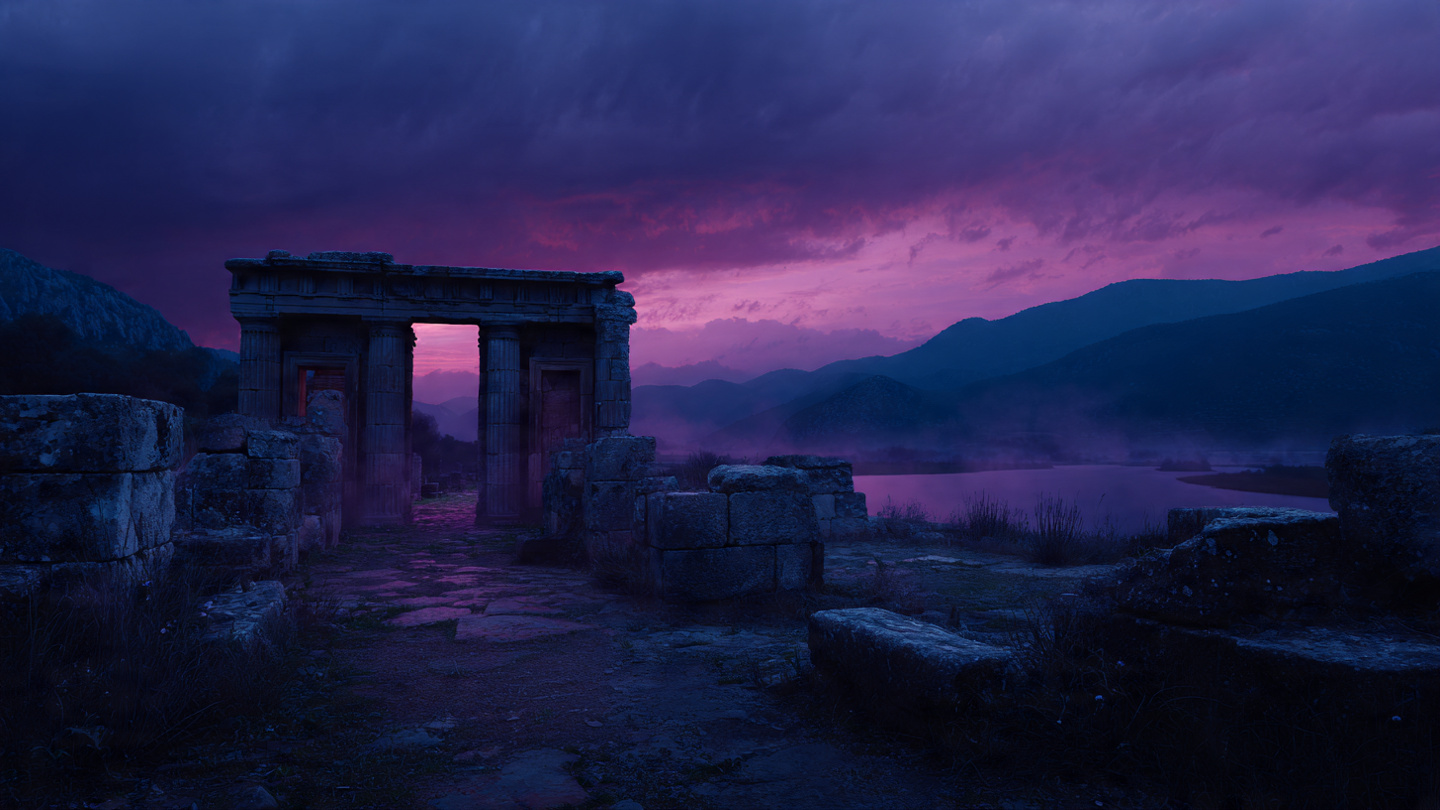
The deepest, most profound mysteries of the Greek cosmos lay not in the shimmering, sunlit heights of Mount Olympus, the home of the Olympian gods, but in the echoing darkness beneath the earth. This silent, intense space was the realm of Hades (or Pluto, in Roman lore), the unseen world known simply as the Underworld, a chthonic domain intrinsically associated with hidden wealth, inevitable transformation, and profound, unyielding power. This same intense, investigative, and deeply psychological energy is perfectly mirrored in the fixed water sign of the zodiac ruled by Pluto: Scorpio.
“Even the gods stand in awe of the Styx.” — Ancient Greek saying (referencing the river that flows through the Underworld)
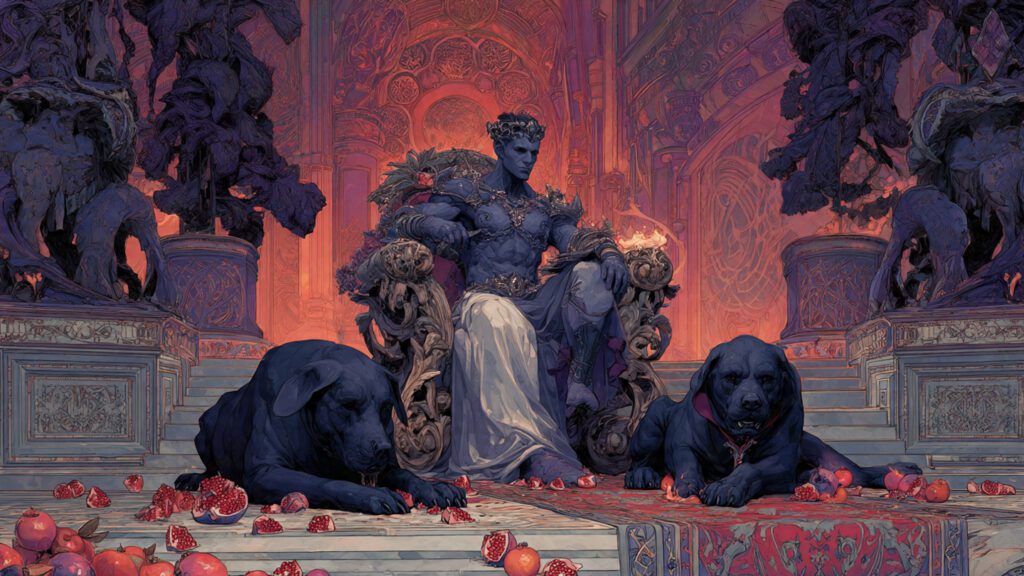
The Scorpio personality is universally defined by its intensity, an unyielding desire for raw truth, an inherent comfort with the shadowed, non-surface aspects of life, and a magnetic draw toward personal transformation. It is the sign of death, regeneration, and powerful rebirth, an evolutionary journey symbolized not only by the stinging scorpion, but also by the soaring eagle and the self-immolating, resurrected phoenix.
The Chthonic Trinity: Hades, Pluto, and the Scorpionic Principle
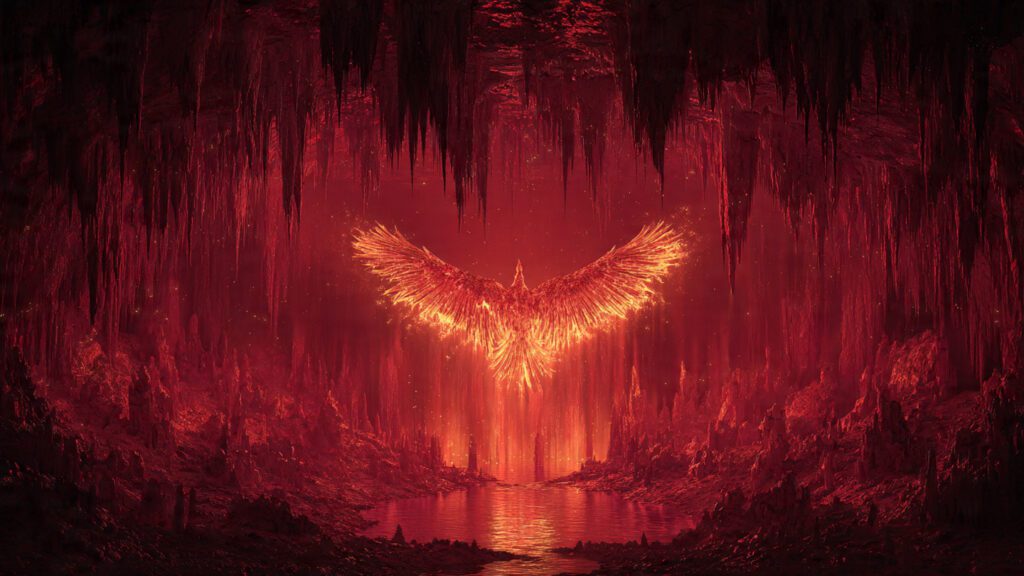
In ancient Greek cosmology, the world was structurally and spiritually divided into three co-existing spheres: the celestial (Ouranos), the earthly (Gaia), and the chthonic (Hades). The chthonic realm, literally meaning ‘of the earth,’ was often misunderstood or feared by the surface-dwellers, yet it held immense, silent power. Hades himself was not evil; he was, rather, the master of geological wealth (minerals, gems, and the fertile potential of the soil) and the solemn custodian of souls and their legacies. When modern astrology assigned Pluto (the Roman name for Hades) as the primary ruler of Scorpio, it was a powerful recognition of their shared, non-negotiable qualities.
Both Scorpio and Pluto embody the cycle of death and subsequent radical rebirth, demanding the shedding of the old, defunct self to bravely embrace the new. They are fundamentally concerned with profound, psychological truths, hidden motives, and a passionate, non-surface view of existence, seeking the hidden machinery behind appearances. Their influence is often magnetic, subtle, and fundamentally concerned with the distribution and regeneration of power that lies beneath the readily visible exterior—the power of the unconscious. To physically travel to the believed entrances of this realm is to engage directly with the energy of profound, irreversible transformation, a true, dedicated Scorpionic pilgrimage into the self.
The Gates of Hades: Tangible Entrances to the Greek Underworld
The concept of a physical, geographically locatable entrance to the Underworld was central to Greek religious belief and mythology. These sites, almost invariably deep caves, geological fissures, or subterranean rivers, were places of both inherent fear and intense spiritual veneration, where great heroes like Heracles and Odysseus dared to pass through to seek counsel, gain knowledge, or rescue a lost soul. One of the most potent and historically verified mythological entrances was the Nekromanteion (Oracle of the Dead) of Acheron in the remote region of Epirus. This uniquely chilling site is situated on a hill directly above the confluence of the rivers Acheron and Kokytos—two of the five legendary rivers of Hades.
The Nekromanteion was a place of controlled necromancy, where the living would communicate with the deceased. Pilgrims would undergo elaborate, intense purification rituals before descending into the temple’s dark, subterranean chambers, hoping to “speak” with spirits and receive prophecy. Visiting the Nekromanteion today is a uniquely profound and emotionally resonant experience.
You can walk the same meticulously crafted halls, feeling the palpable, chilling sense of transition and liminality. It is the perfect destination for the Scorpio traveler, who instinctively seeks out the liminal spaces between worlds.
The Depths of Transformation: The Diros Caves (Mani Peninsula)
In the remote, rugged, and historically resilient Mani Peninsula of the Peloponnese, lies one of Greece’s most breathtaking underground wonders: the Diros Caves. While this specific location was not explicitly named in mythology as an entrance, the sheer spectacle and geological drama of the Vlychada Cave—an immense, complex underground river system explored almost entirely by boat—feels utterly, undeniably chthonic. Gliding silently through vast, cathedral-like caverns, surrounded by luminous, water-sculpted stalactites and stalagmites, is a descent into a primeval, alien, and intensely beautiful world.

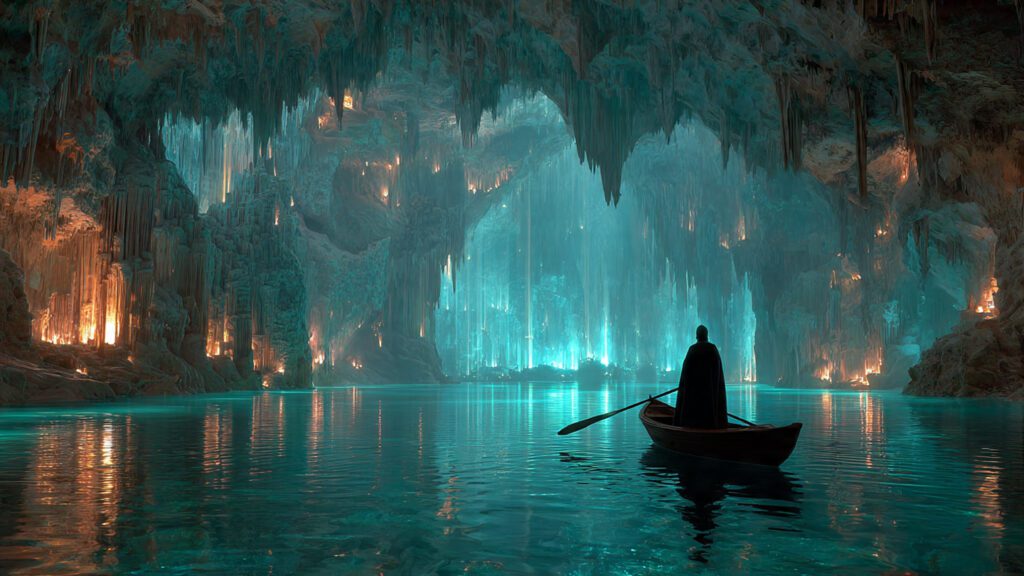
The profound environment of the Diros Caves serves as a perfect, magnificent metaphor for the Scorpio journey: a slow, silent, and often unnerving descent into the shadowy subconscious, culminating not in fear, but in a spectacular, illuminated realization of beauty and complexity.
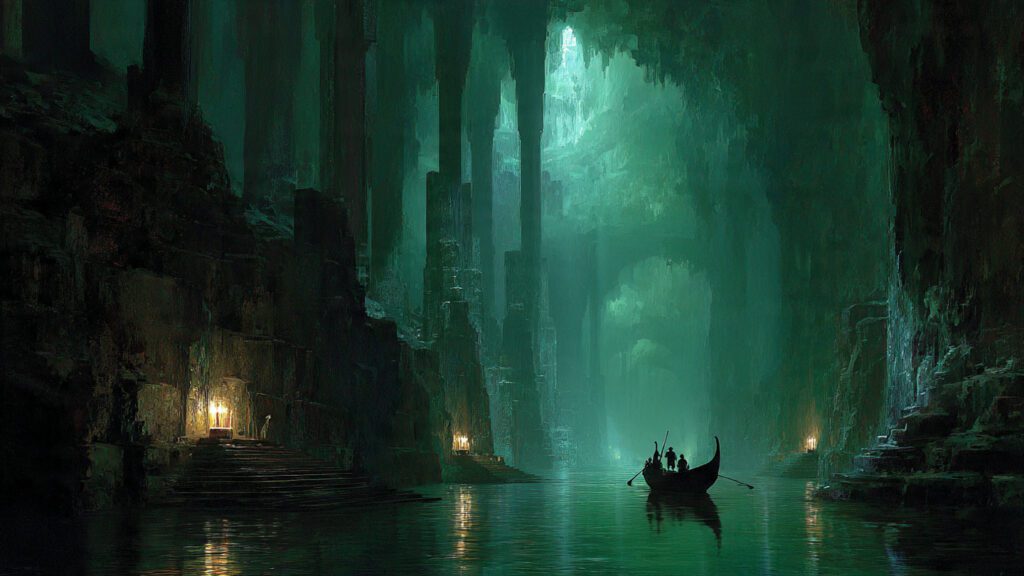
It is a physical journey of intense introspection, reminding the traveler that even in the most profound darkness, life and incredible beauty find a way to thrive and persist. The Mani Peninsula itself, known historically for its fierce independence and somber, unyielding stone towers, carries an energy of depth, resilience, and guardedness that powerfully mirrors the Plutonian spirit.
Sacred Silence: Tombs as Portals of the Soul’s Journey
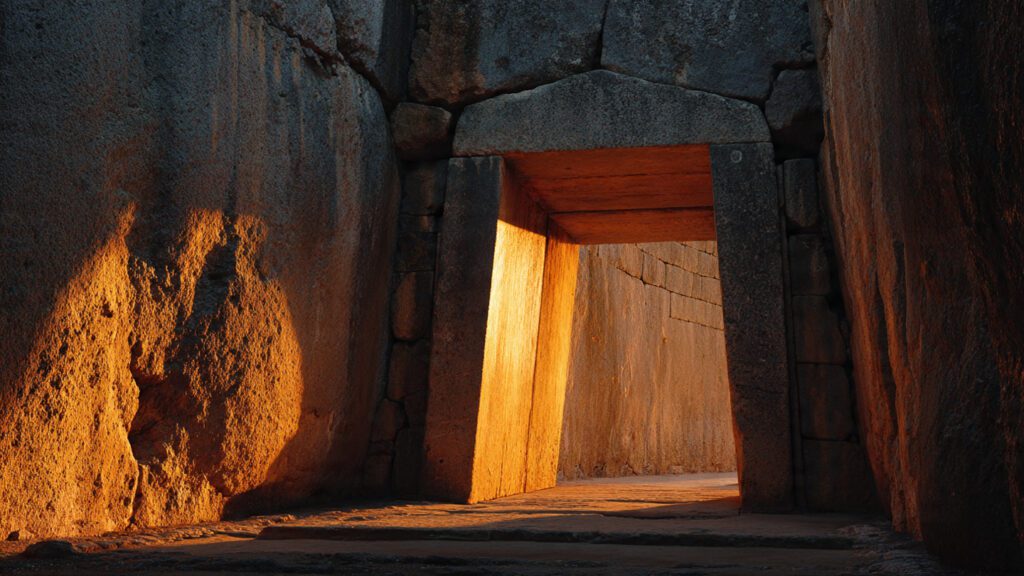
The chthonic energy of Pluto is also strongly, magnetically felt in sites dedicated not to the moment of death, but to the crucial transformation that immediately follows—the ancient, monumental tombs. These towering structures were never simply places of disposal or burial, but rather carefully engineered, sacred portals for the soul’s critical journey into the next realm and the secure establishment of the deceased’s legacy on Earth. The magnificent beehive tomb at Mycenae, often referred to as the Treasury of Atreus, is a jaw-dropping masterpiece of sophisticated Mycenaean architecture from the Bronze Age. Its long, ascending dromos (processional path) and massive, single-stone lintel that spans the doorway create an overwhelming, immediate sense of gravity, eternity, and enduring royal power.
As you walk the path into the silent, perfect circular chamber (the tholos), you are symbolically walking the final, sacred route of the ancient king’s spirit. The immense, coordinated effort required to engineer and build such a lasting structure speaks volumes to the enduring, non-negotiable power of the Underworld over human affairs and the desire for legacy. For the Scorpio traveler, this massive tomb offers a powerful, meditative connection to the themes of lasting legacy, the gravity of power, and the inescapable, cyclical nature of transformation.
A Scorpionic Itinerary: Embracing the Necessary Shadow
To follow the Astrology of the Underworld is to embrace a form of Greek travel that is deep, quiet, deliberate, and profoundly affecting to the psyche. This is not about seeking the crowds of the sun-drenched islands and beaches, but about finding the silent, powerful, and mysterious places where Greece’s foundational history remains most palpable and intense. The journey begins within. Approach these chthonic sites with deep respect and focused intention.
The Scorpio traveler seeks not just to see, but to actively feel and understand the hidden layers of history, mythology, and personal psyche that these locations evoke. The most intense, rewarding experiences often require physical and mental effort. The remote location of the Mani Peninsula and the contemplative, ritualistic nature of the Nekromanteion demand a slower, more deliberate, and more focused pace. This necessary slowing down perfectly mirrors the classic Scorpionic trait of intense focus, determination, and unhurried investigation. Use these subterranean journeys as powerful moments of forced introspection.
Let the cool, damp, enveloping silence of the caves and tombs act as a cleansing, psychological force, helping you shed old, stale perspectives and bravely embrace the theme of rebirth that is central to the sign of Pluto and Scorpio. To visit these chthonic sites is ultimately to accept the eternal, necessary presence of the unseen realm and to acknowledge the cyclical, non-linear nature of existence. It is a powerful, unique pilgrimage into the very soul of Greece, one guided not by the sun, but by the silent, powerful stars, where the shadowy depths hold the greatest treasures and the most profound, enduring truths.