





The global culinary spotlight often shines intensely on the classic Mediterranean Diet, celebrating its familiar staples of olive oil, grilled fish, and simple wine. Yet, hidden in the rugged foothills and fertile, high-altitude plains of Macedonia, particularly in the small, traditional villages near Mount Olympus, lies a deeper, more robust culinary secret: the true, indigenous Macedonian Diet. This is a diet defined not by global imports, but by agricultural resilience, local bounty, and seven hyper-local superfoods—many of which are nearly impossible to find outside of Northern Greece.
The Geography of Wellness: Why Macedonia’s Soil is Unique
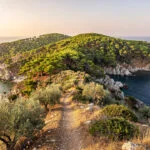
The region surrounding Mount Olympus is far more than just a backdrop for the gods; it is a true botanical crucible. The convergence of three distinct climates—Mediterranean, Continental, and Alpine—results in a biodiversity that yields produce with unparalleled nutrient density. The soil, constantly enriched by centuries of natural erosion from the mountain, imbues the local produce with intense, unique flavors and potent health benefits.
The Resilience of Indigenous Crops
Unlike the standardized, commercial produce found across global supply chains, many of Macedonia’s staple foods are indigenous heirloom varieties perfectly adapted to the specific, often challenging, mountain environment. These crops haven’t been genetically modified for high yield or easy transportability; they are pure, potent, and represent the genuine taste and deep wellness power of the land. This purity is the non-negotiable foundation of the Macedonian Diet.
7 Superfoods from the Olympus Foothills

These seven items are more than just ingredients; they are anchors of Macedonian culture, reflecting resourcefulness, longevity, and deep respect for the natural environment.
1. Wild Greens (Horta) of Mount Olympus
While wild greens (Horta) are consumed commonly across all of Greece, those meticulously foraged from the Olympus slopes are generally considered unmatched. Varieties like Radikia (wild dandelion) and Vlita (wild amaranth) grow slowly in the thin mountain air, naturally concentrating their minerals and antioxidants. The process of foraging this Horta remains a vital tradition, connecting the communities directly to the natural environment. This food is extremely high in Vitamin K, C, and iron; its intense, desirable bitterness is strongly linked to superior digestive and liver health.
2. Prespes Beans (Gigantes)
Found primarily in the high-altitude region of Prespes near the North Macedonian border, these giant, white beans are a Protected Geographical Indication (PGI) product. They cook to a famously creamy, buttery perfection and are the undisputed star of the traditional dish, Gigantes Plaki. Their pure indigenous lineage sets them apart from commercially grown large beans, offering an exceptional source of plant-based protein, fiber, and essential minerals crucial for longevity and cardiovascular health.
3. Macedonian Thyme Honey
Macedonia consistently produces some of the world’s highest quality honey, specifically that sourced from wild Thyme that carpets the lower slopes of Olympus. This raw, dark, highly aromatic honey contains concentrated flavonoids and is gathered using ancient, sustainable methods, truly making it a natural, functional medicinal food with powerful antibacterial and antioxidant properties.
4. Xeropigado Walnuts
The villages nestled in the region of Xeropigado near Litochoro are famed for their traditional walnut harvest. These particular walnuts are exceptionally rich in Omega-3 fatty acids and offer a uniquely crisp texture and earthy, intense flavour, distinguishing them from cultivated varieties. They are often featured heavily in local breads and traditional desserts, providing a core element of the traditional diet essential for brain and heart health.



5. Faki (Lentils) of Kozani
The Kozani region of Macedonia is renowned for its specific variety of small, plump lentils (Faki). Grown in nutrient-rich soil, they hold their shape beautifully when cooked and form the basis of the region’s staple winter soup. These lentils are a foundational pillar of Greek cuisine and the Macedonian Diet, serving as a powerhouse of complete protein, folate, and iron, ensuring sustained energy and vital nutrients.
6. Macedonian Red Peppers (Piperies Florinis)
The gorgeous, deep-red, elongated peppers from Florina in Western Macedonia are perhaps the most famous visual symbol of the region’s cuisine. They are naturally sweet, acquire a smoky complexity when roasted, and are incredibly versatile, traditionally preserved in jars of olive oil for consumption throughout the long winter. They are exceptionally high in Vitamin C and carotenoids, making them a potent antioxidant source and a core component of the regional approach to health and wellness.
7. Greek Mountain Tea (Sideritis)
Growing wild on the rocky, high-altitude slopes of Olympus, Sideritis (often called ironwort) is the undisputed king of Greek herbs. Traditionally collected for its vast array of medicinal uses, this fragrant infusion is consumed daily for its widespread health benefits and is a cultural, immune-boosting staple of the Macedonian Diet. It is particularly known for its anti-inflammatory and potential cognitive-boosting properties, integral to supporting regional longevity.
Incorporating the Macedonian Diet into Your Lifestyle
The most valuable lesson of the Macedonian Diet is not about following a rigid set of rules, but about prioritizing simplicity, quality, and local sourcing. The people of these villages achieved remarkable longevity and robust health not through expensive supplements, but through a daily, foundational commitment to seasonal, indigenous superfoods grown in exceptional conditions. For the culinary traveler, seeking out these ingredients—from the humble Horta to the prized Florina peppers—in local markets is the best way to experience the most authentic Greek experience of Macedonia. This diet is a living testament to the power of the natural environment and a true superfood regimen built not in a lab, but by the gods of Mount Olympus themselves.