

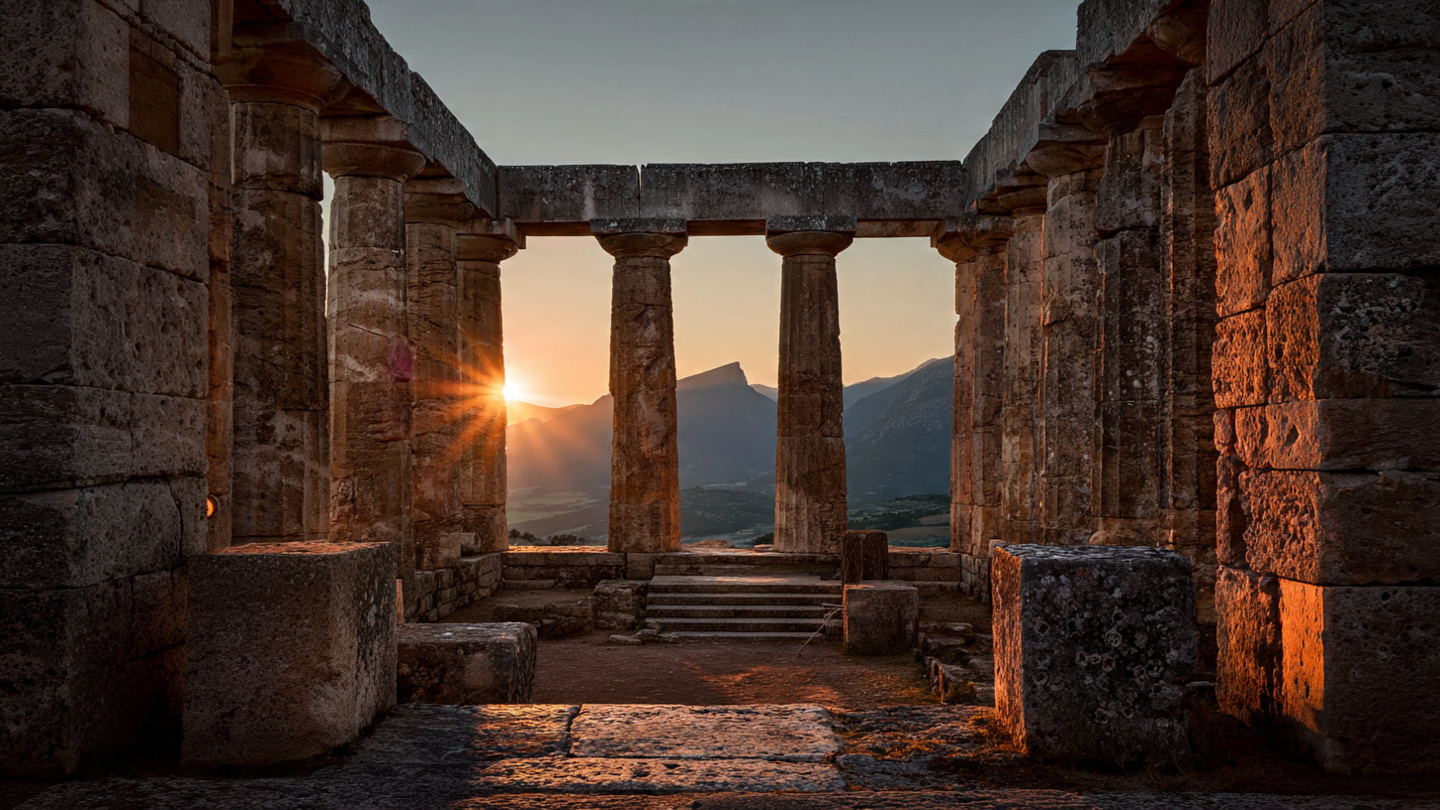
Ancient Greek builders aligned temples, dwellings, and healing sanctuaries with predictable solar paths using measured azimuths and seasonal angles. Archaeological surveys at Bassae, Delphi, and Delos confirm consistent east facing orientations that capture dawn light at equinox or solstice points. Osteological studies of Mediterranean populations indicate sleep patterns synchronized with sunrise and sunset cycles, supported by low exposure to artificial nocturnal illumination.
Modern chronobiology shows that early morning light suppresses melatonin and stimulates cortisol release through retinal ganglion cells sensitive to short wavelength light. This establishes circadian entrainment. Greek architecture functioned as a biological regulator by shaping when light entered stone interiors. The system linked astronomy, ritual practice, and built form into a stable daily rhythm that minimized seasonal fatigue and metabolic stress.
The modern world exists in a state of perpetual twilight where the flicker of blue light screens and the sterile hum of LEDs effectively sever the connection to celestial rhythms. We call this burnout, but the ancients recognized it as a loss of the Metron, the divine proportion that governed human biology. To the Greeks, light was never a mere utility but a structural necessity rooted in the nature of the cosmos. Apollo, the god of light, acted as the patron of healing, a connection that was far from a poetic coincidence. In the high-altitude sanctuaries of the Peloponnese and the sun-drenched coastlines of the islands, a form of solar architecture functioned as a biological reset. This method of Ancient Light Engineering integrated the movement of the stars into the very stones of the home to regulate the human state.

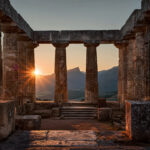
The light in the high valleys of Greece dictates the pace of existence. From the Parthenon to the Temple of Apollo Epicurius at Bassae, structures were positioned to interact with the sun at specific seasonal angles. At dawn, the first rays would pierce the dark interior of the naos, illuminating the cult statue in a precise, golden corridor of light. This was the original form of light therapy. This first light is rich in infrared wavelengths which signal the human brain to suppress melatonin and trigger the release of cortisol. By aligning sacred spaces and the home to the rising sun, the Greeks ensured the body remained in sync with the astronomical day. This stands as the antithesis of the modern experience where we wake to the jarring, high-intensity glare of a smartphone, causing a chemical dissonance that leads to chronic exhaustion.
The Measured Shadow of the Afternoon

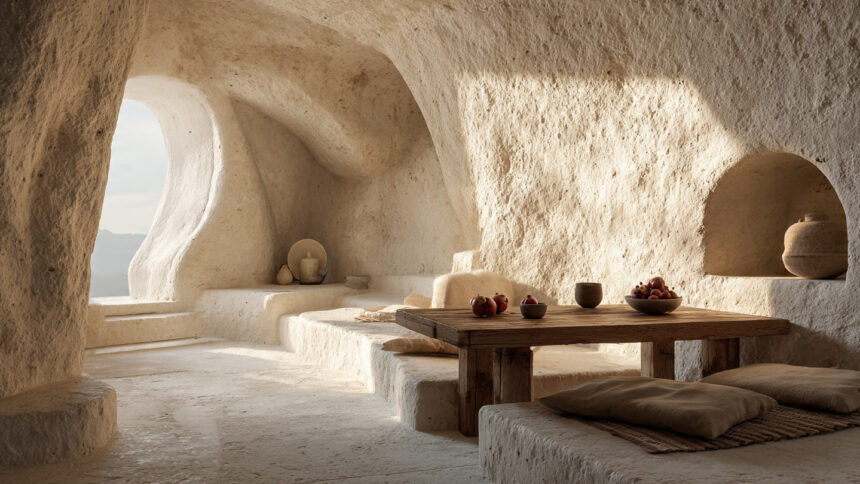
If the morning belonged to the rising heat, the afternoon was governed by the measured shadow. The builders of the ancient world utilized deep porticos and colonnades to manage the intensity of the Mediterranean sun. These features were designed to cool the light before it reached the interior, shifting the color temperature from a harsh white to a softer, amber hue. This transition is vital for the production of serotonin and the eventual wind-down toward sleep. Ancient homes were built with thick Limestone Walls that absorbed the heat of the day, radiating a gentle warmth as the sun set. This thermal and visual shift acted as a natural primer for the nervous system, meaning the ancients did not require filters because the house itself functioned as the barrier.

Integrating these principles into a contemporary setting is the height of luxury because of the quality of life it restores to the individual. It requires a deep understanding of the specific latitude and solar path of the land. A courtyard positioned to capture the morning sun resets the Circadian Rhythm by exposing the eyes to the correct wavelength at the start of the day. Traditional wooden shutters or deep eaves block the stress-inducing glare of midday while allowing for natural ventilation. Finally, designing evening spaces that rely on low-level, warm-toned light mimics the golden hour of the landscape, preparing the brain for deep, restorative sleep.
Solstice Engineering and the Mediterranean Way

The history of the Mediterranean reminds us that human biology is essentially an astronomical one. We are solar-powered organisms currently living in a world deprived of natural cycles. By reclaiming the techniques of the past, we build sanctuaries for the nervous system rather than mere structures. The Persephone Phase of the winter months and the seasonal shifts of the harvest are all parts of this broader clock. To live in a space that honors the path of the sun is to return to a state of heritage where fatigue is replaced by the steady energy of the cosmos.

The tree of life in the Greek garden thrives when the light is managed correctly. Apollo’s greatest gift was never just the sun but the discipline of how to live within its light. The stones of a well-oriented house do not just provide shelter from the rain; they act as a lens for the sun. This is the Hellenic Heritage of wellness that modern science is only now beginning to quantify through the study of hormones and light frequency. It is an unvarnished and intense way of existing that is deeply rooted in the soil and the sky.


The Return to the Sun

Living with these rhythms changes the relationship to time. You cannot rush the dawn or force the twilight. One is forced to sync the internal pulse with the slow movement of the mountain winter or the long stretch of the summer afternoon. This is the real Greek experience, a life that values depth and finds strength in the natural order. In the silence of a light-engineered home, the body finds the rest it has been denied by the digital world.
As the mist rolls off the peaks of the Taygetos, the ancient stones continue to track the sun as they have for millennia. The oil in the lamps is lit only when the natural light has faded into the ruby red of the sunset. This is the reality of the mountain, a slow and silent production of energy that has been happening since before the first stones of Sparta were laid. The shadow is not a place of darkness but a place of preservation where the Circadian Clock is kept in perfect order. The path to recovery is as simple as opening a window to the east and letting the first light do the work.