






When the ancient Greeks welcomed a new cycle of time, they did not merely count the passing hours. Instead, they honored the eternal forces that shaped their world, the gods, the elements, and the shifting seasons. In the modern era, we often lose ourselves in the rush of resolutions that fade before the month is out. However, what if the New Year table was not just a feast, but a sacred ritual? What if each dish served as a vessel for a divine blessing?
In this reimagined celebration, we return to the roots of Greek mythology, weaving food, symbolism, and living tradition into twelve sacred dishes. Each one is inspired by one of the twelve Olympian gods, offering a specific virtue that the soul requires as the year begins. This is not a simple exercise in nostalgia. This is myth served warm, designed to ground your future in the wisdom of the past.
The Sacred Geometry of the Number Twelve
The number twelve echoed throughout the ancient Greek world with a resonance that defined the cosmic order. It represented the full pantheon of Olympus, the months of the year, the signs of the zodiac, and the completion of a cycle. A table featuring twelve distinct dishes becomes a living map of balance, aligning our physical nourishment with our spiritual intentions. To eat from such a table was never considered an act of mere indulgence. In the eyes of the ancients, it was an alignment with the divine rhythm of life itself.
Zeus and the Honeyed Bread of Authority

The feast begins with Zeus, the king of the gods and the gatherer of clouds. In ancient rituals, bread sweetened with honey was offered to him as a symbol of power tempered by generosity. At your New Year table, this honeyed bread serves to bless the household with leadership, protection, and abundance. It represents the foundation of the home, a sweet reminder that true authority is always paired with a spirit of giving.
Hera and the Pomegranate of Sacred Bonds
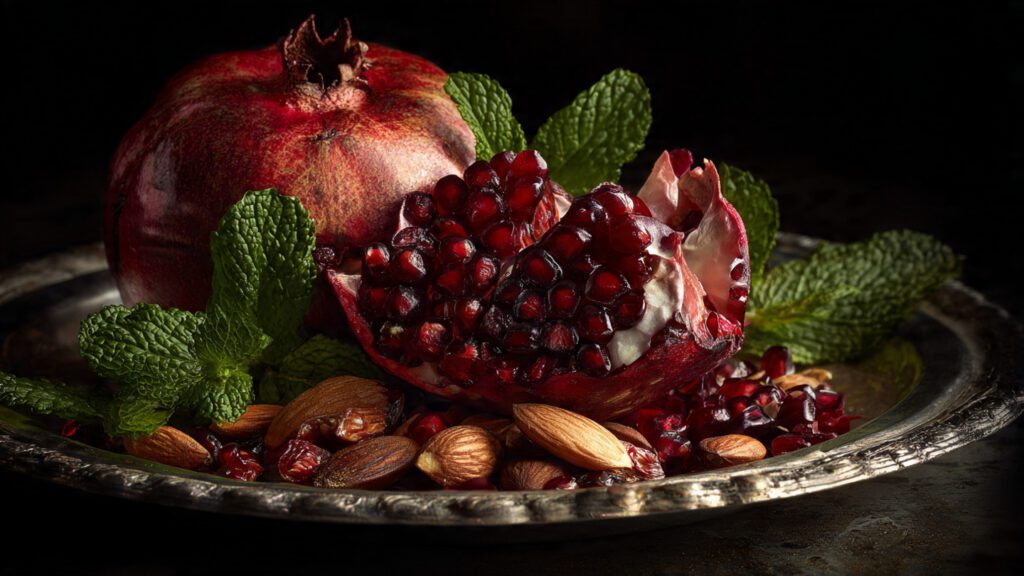
The pomegranate is the ancient signature of Hera, the queen of heaven and the protector of marriage. Every fruit is a miracle of geometry, bursting with seeds that each represent a promise of continuity. Whether served fresh or folded into a vibrant salad with almonds, this dish honors the sanctity of commitment. It is a tribute to the sacred bonds that hold our lives together, ensuring that our relationships remain fertile and strong throughout the coming year.
Poseidon and the Patience of the Deep Sea

The wild nature of Poseidon is best captured in a dish of slow-cooked octopus in red wine. This recipe reflects the dual nature of the sea god: the unpredictable strength of the waves and the profound patience of the deep currents. By including this in your feast, you invite emotional depth and adaptability into your life. It is a reminder to respect the unseen currents of fate and to navigate the waters of the new year with a steady hand.
Demeter and the Grounded Prosperity of the Earth
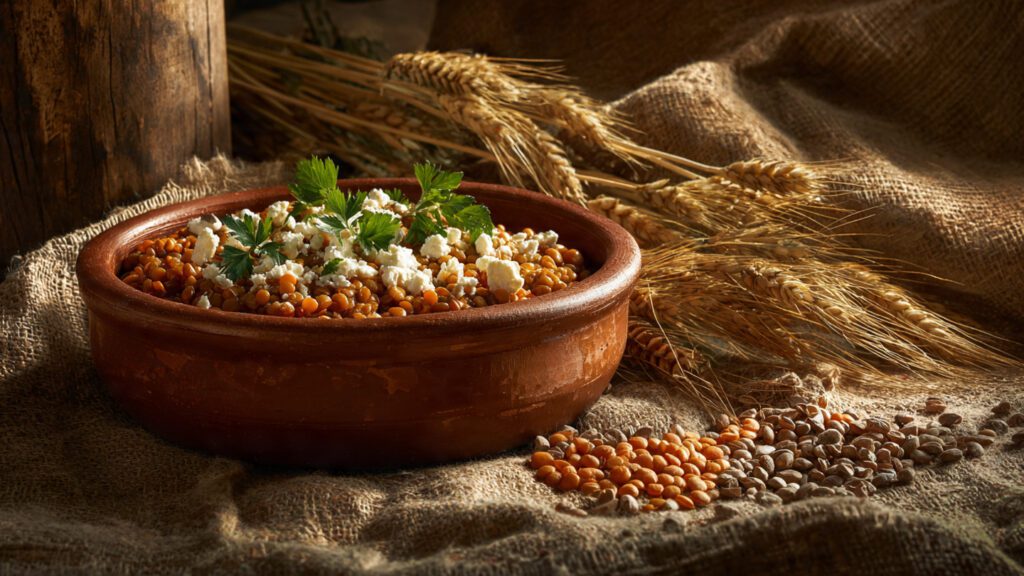
Legumes and grains have long been the symbols of quiet, sustainable abundance in the Mediterranean. Demeter, the goddess of agriculture, finds her tribute in a dish of earthy lentils and ancient grains. This selection reminds us that real wealth is not found in sudden flashes of luck, but in the slow, steady growth that happens beneath the surface. It is the food of grounded prosperity, ensuring that your foundations remain solid.
Athena and the Wisdom of the Olive Grove

Athena famously gifted the olive tree to the city that bears her name, a gesture that symbolized strategy, peace, and endurance. A dish of bitter mountain greens drizzled with the finest extra virgin olive oil invites clarity of thought and wise decision-making. These flavors are a call to use our intellect and our intuition in harmony, seeking the “Golden Mean” in every challenge the new year may bring.



Apollo and the Illumination of the Light
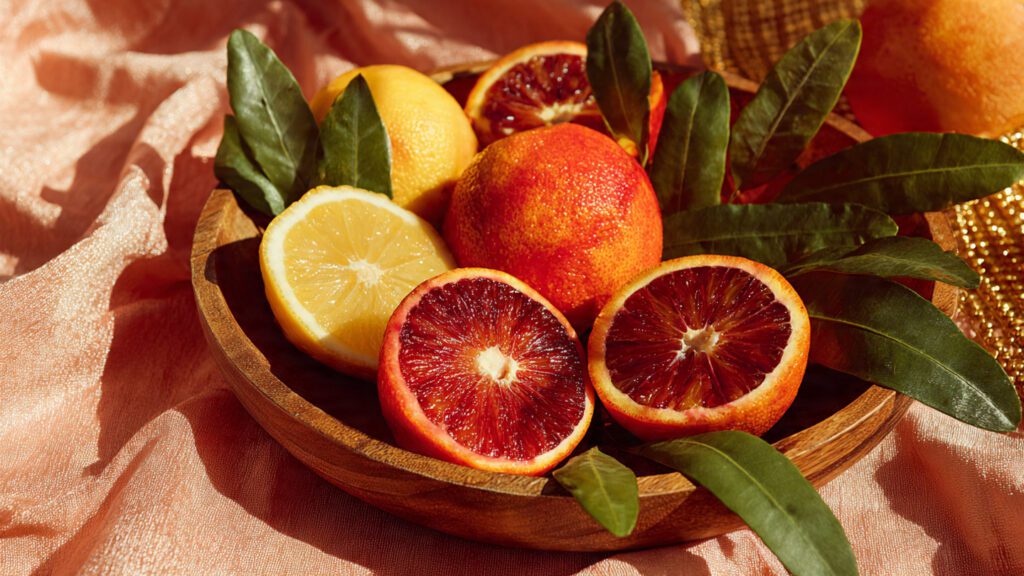
Bright citrus fruits paired with the scent of laurel honor Apollo, the god of light, healing, and truth. In the heart of winter, these vibrant colors and sharp scents welcome the return of the sun. This dish is designed to bring illumination after a period of darkness, making it the perfect centerpiece for the turning of the year. It is a culinary prayer for health, clarity, and the courage to face the truth.
Artemis and the Intuition of the Wilderness

Artemis, the mistress of the untamed spaces, is honored with a dish of wild foraged greens and mountain herbs. Simple and rustic, this offering blesses the household with freedom and a renewed respect for the natural world. It encourages us to listen to our wilder instincts and to find strength in the quiet, uncultivated corners of our own souls.
Ares and the Fire of Courageous Action

A boldly spiced meat dish channels the fire of Ares, the god of war. In this context, the heat of the spices represents the spark of courage. It serves as a reminder that bravery is not the absence of fear or the presence of aggression, but the willingness to take decisive action when a challenge appears. It is the fuel required to move forward with purpose and strength.
Aphrodite and the Joy of Sacred Pleasure

The sweeter notes of figs, honey, and rose water evoke the essence of Aphrodite, the goddess of love and beauty. Her dish celebrates the idea that joy is a sacred necessity, not a frivolous distraction. By indulging in these delicate flavors, we honor the beauty that exists in the world and commit to finding pleasure in the simple, sensory moments of our daily lives.
Hephaestus and the Transformation of the Hearth
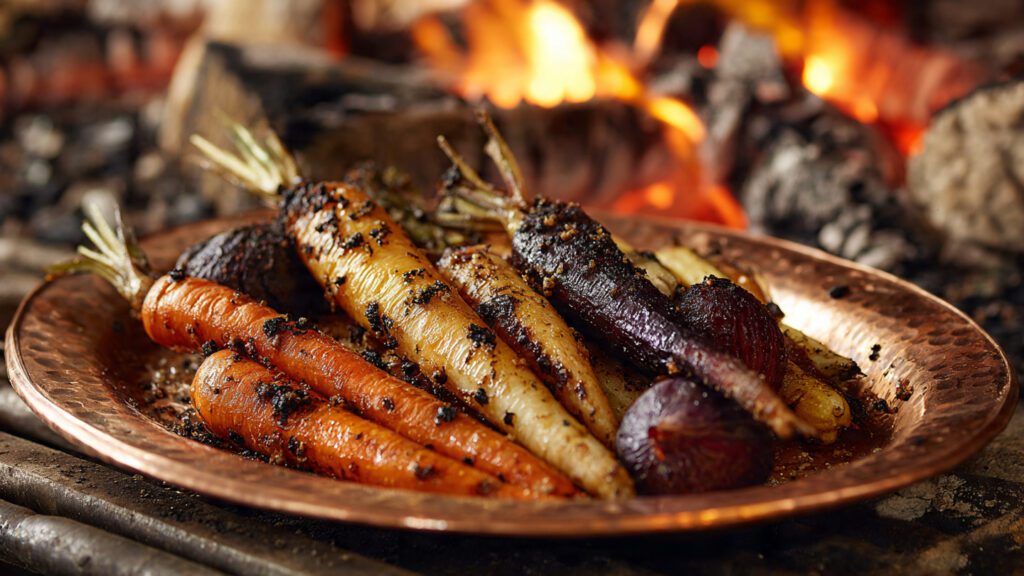
Fire-roasted root vegetables pay homage to Hephaestus, the god of the forge and the master of craft. Just as metal is transformed by the heat of the fire, these vegetables are sweetened and softened by the flame. This dish blesses our ability to be resilient and to create something beautiful and nourishing out of the hardships we may face. It is a celebration of the artisan spirit.
Hermes and the Spirit of Shared Exchange

Small, shared plates of meze accompanied by a glass of local wine reflect the restless energy of Hermes, the messenger god. He is the deity of movement, travel, and the quick exchange of ideas. This part of the meal invites connection and laughter, ensuring that the new year is filled with new friendships, exciting travels, and the constant flow of conversation.
Hestia and the Eternal Peace of the Home

In ancient Greece, Hestia, the goddess of the hearth, always came first and last. A simple, comforting milk-based custard or rice pudding closes the feast, sealing the table with a sense of warmth and protection. It is the ultimate comfort food, a reminder that no matter how far we travel or how much we achieve, the peace of the home remains our most sacred sanctuary.
The Modern Ritual of the Mythic Table

Setting this table is an act of mindful living. You might choose to light twelve candles, naming each deity silently as you begin the meal. The goal is not to achieve a perfect historical recreation, but to practice presence. In a world that is constantly rushing toward the next digital distraction, this ritual reminds us to begin again with intention. When food becomes a story, it becomes grounding, and the year begins with a sense of genuine meaning.
The Greeks believed that the gods did not live in a distant, unreachable realm, but within the small, daily acts of life. A table, a shared meal, and a collective beginning are the most powerful ways to honor that belief. This New Year, do not eat just to celebrate. Eat to remember who you are becoming and to invite the ancient wisdom of Olympus into your modern journey.